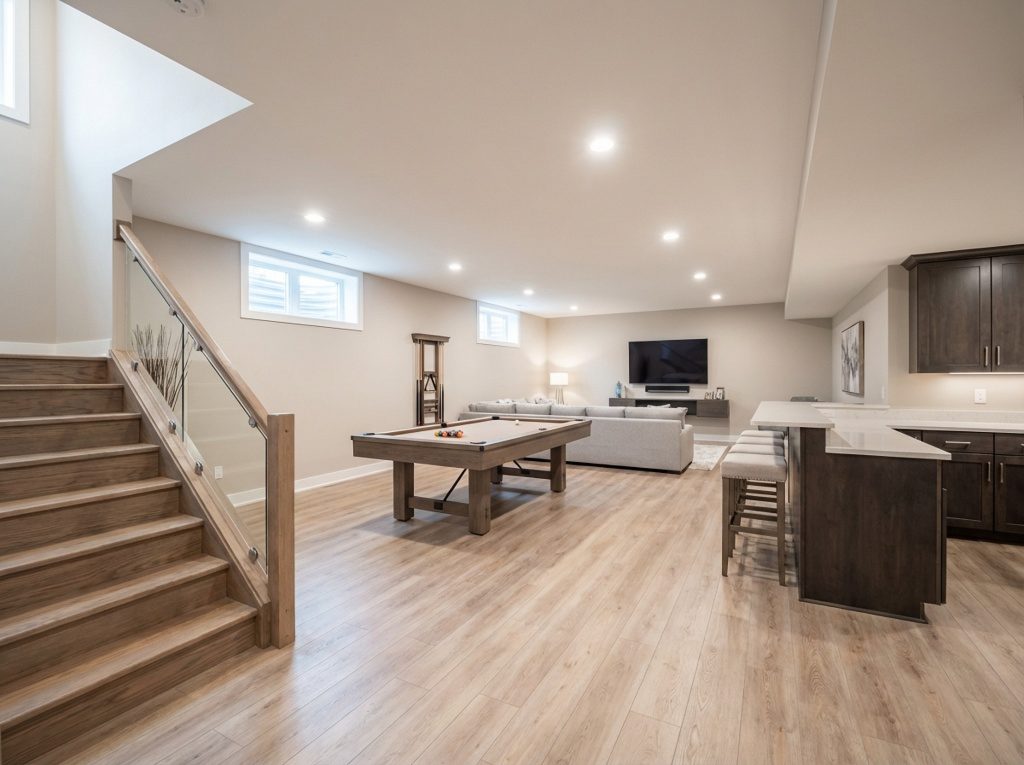
Fayetteville homeowners thinking about a basement bathroom for aging-in-place reasons (a future first-floor caregiver suite, a guest bath for visiting adult children, or simply convenience during whole-home renovation projects) face a single technical decision that defines everything else: how does the waste leave the basement. The basement bathroom drain has to either flow by gravity to the home's main stack or get lifted by an ejector pump. The answer determines the location, the cost, and the appearance of the finished bathroom.
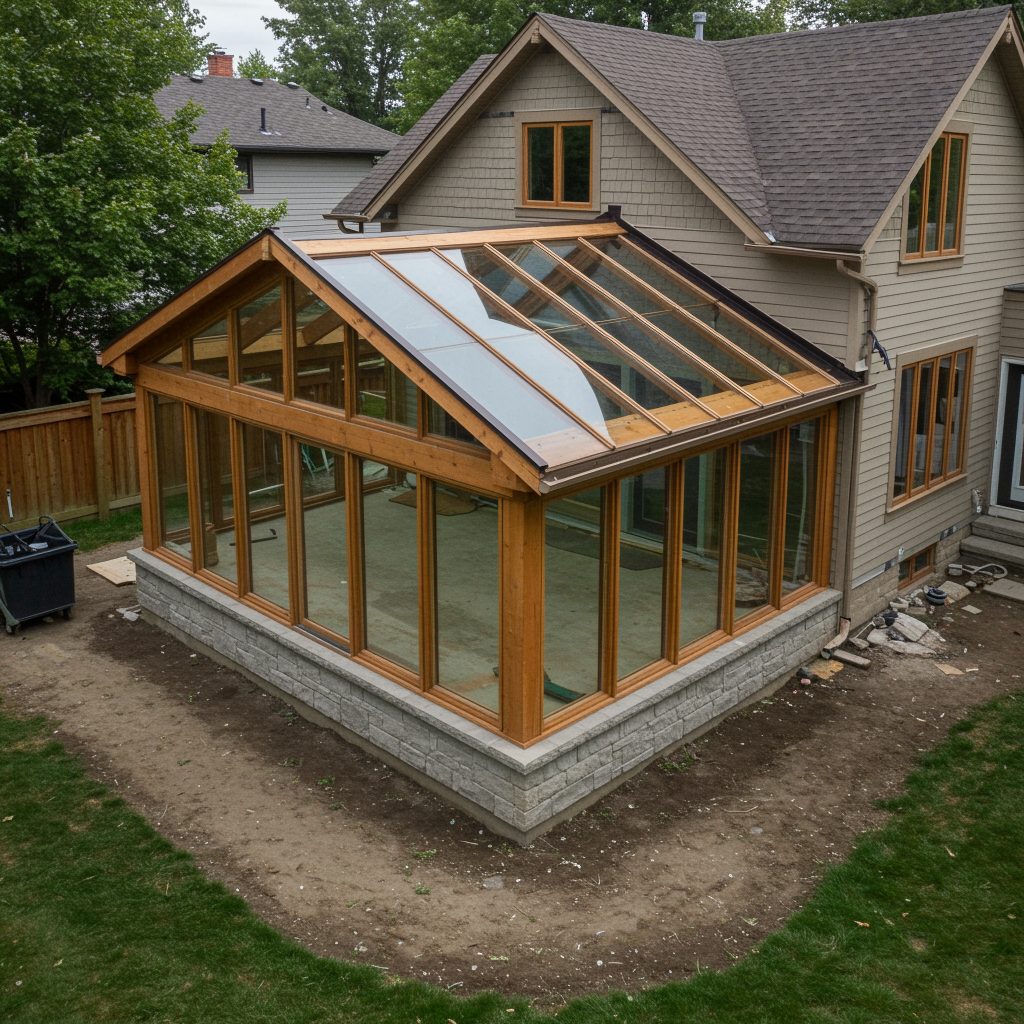
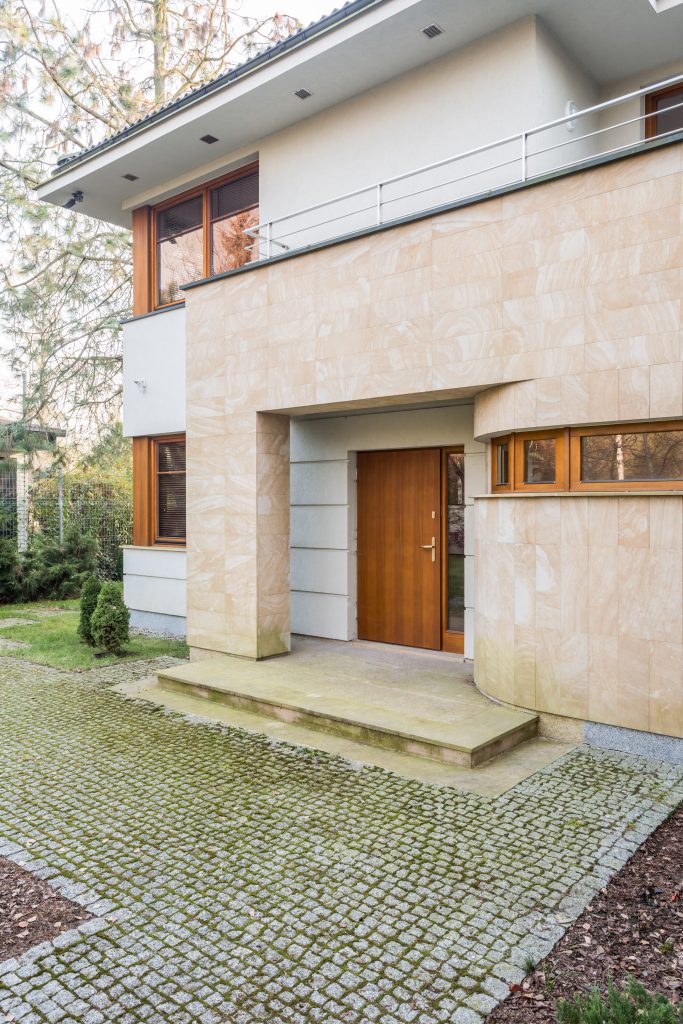
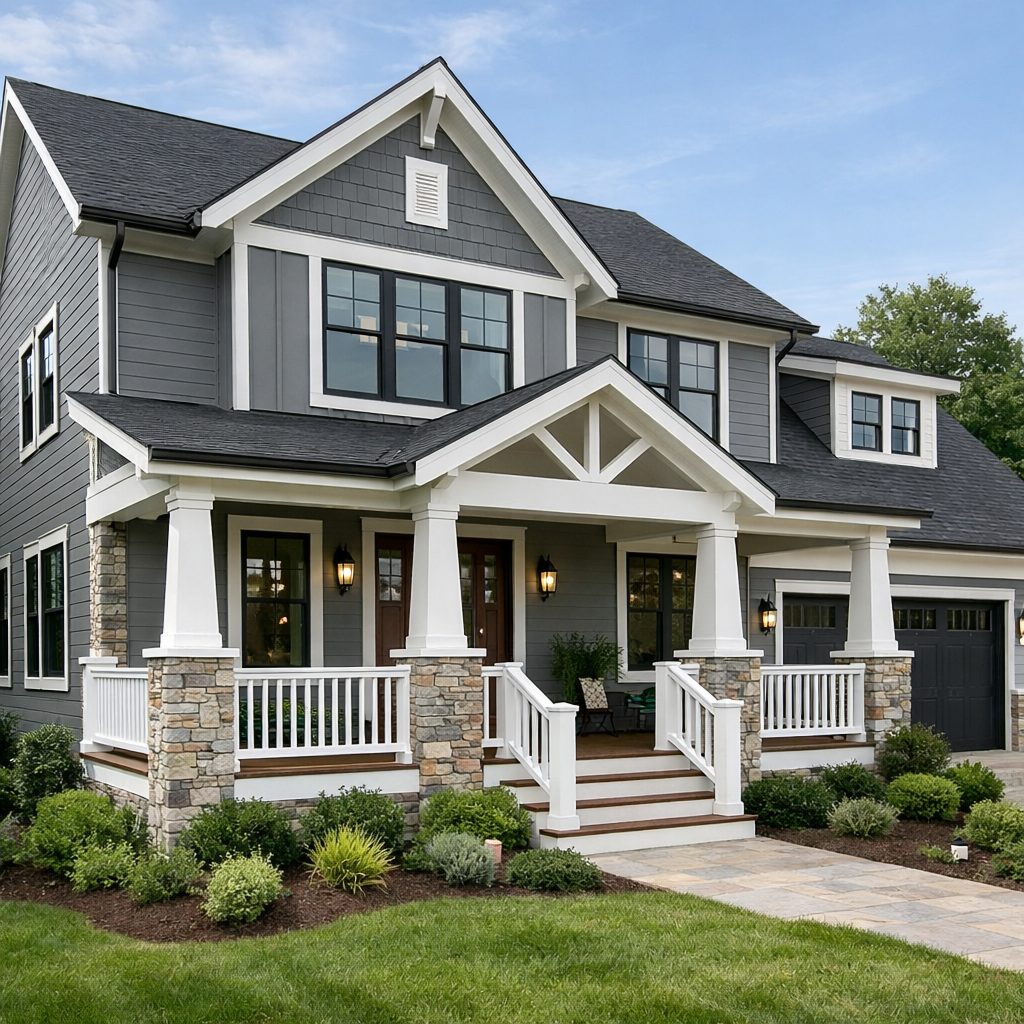
There is a tell that gives away a poorly designed sunroom. From the curb, the new roofline does not quite meet the old one. The pitch is wrong. The fascia detail is one inch off. The corner trim profile does not match. The sunroom reads as bolted on, not built in. In Geddes and the surrounding western suburbs, where lots are tight and street-facing facades matter, the difference between a sunroom that adds value and one that subtracts it usually comes down to whether the new roofline was designed to integrate with the existing structure or whether it was ordered out of a prefab catalog.
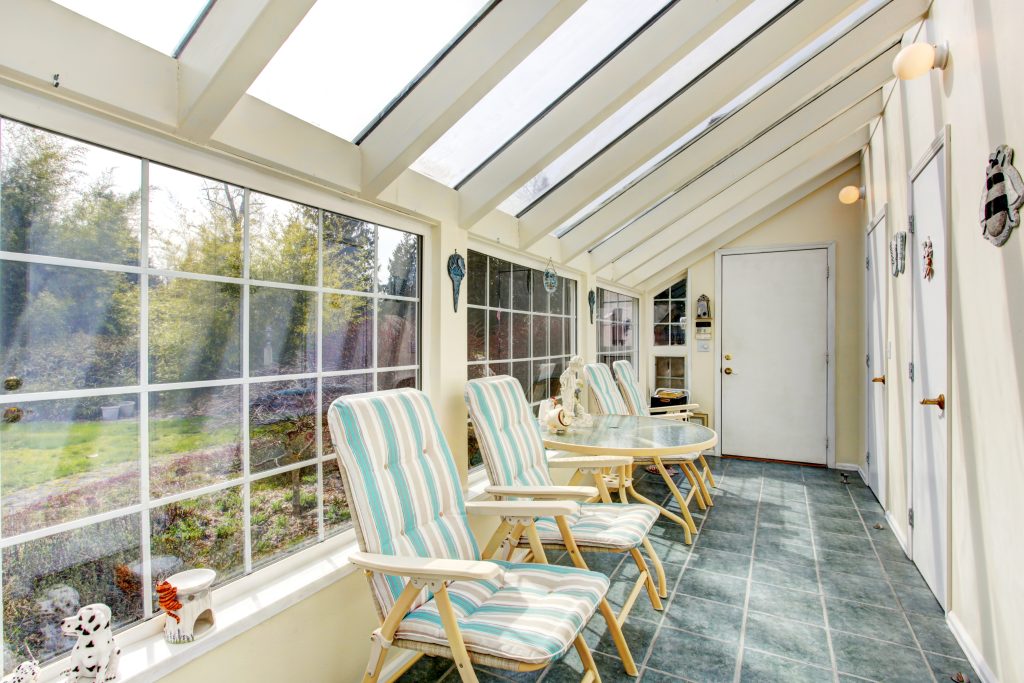
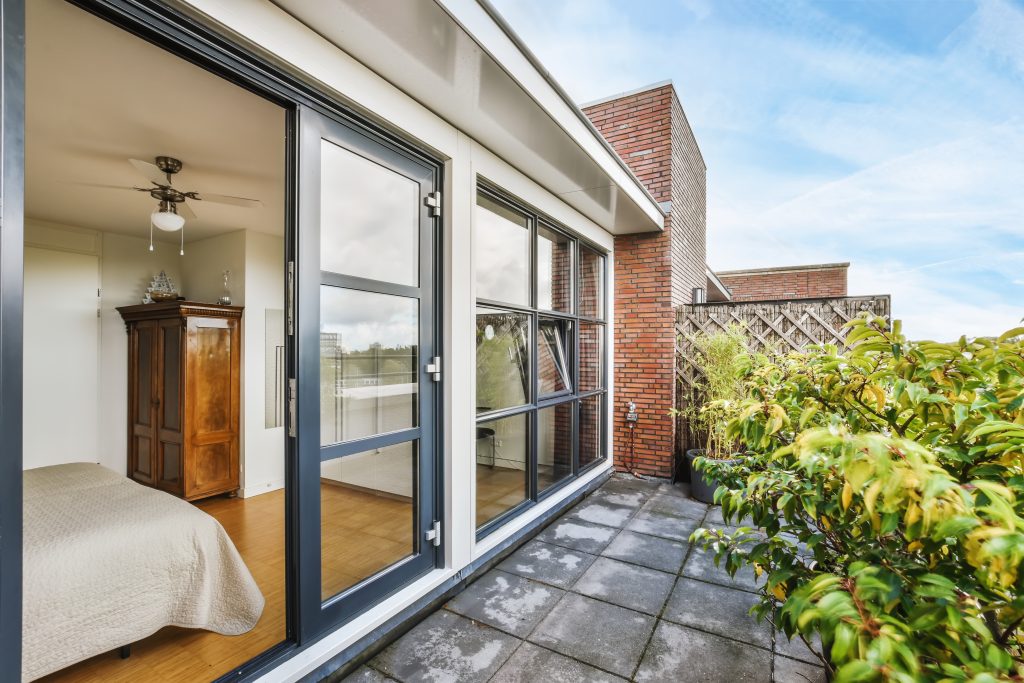
Skaneateles's lakefront lots produce a specific kind of weather problem. The view demands glass, the wind off the water demands envelope, and the lake-effect humidity in November demands ventilation. The sunroom vs three season decision on a Skaneateles property is a climate engineering question dressed as a design question. Pick the wrong envelope and the room you built for views becomes the room you avoid in January.
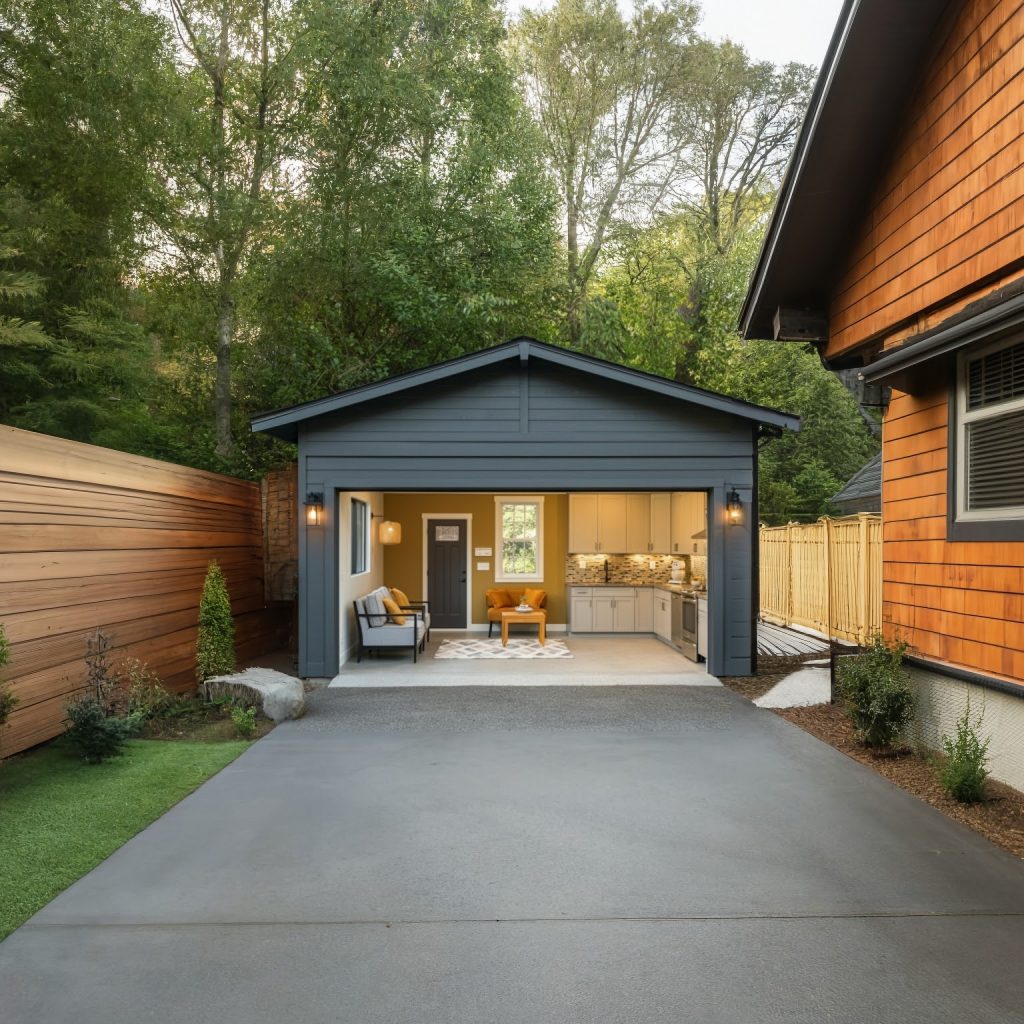
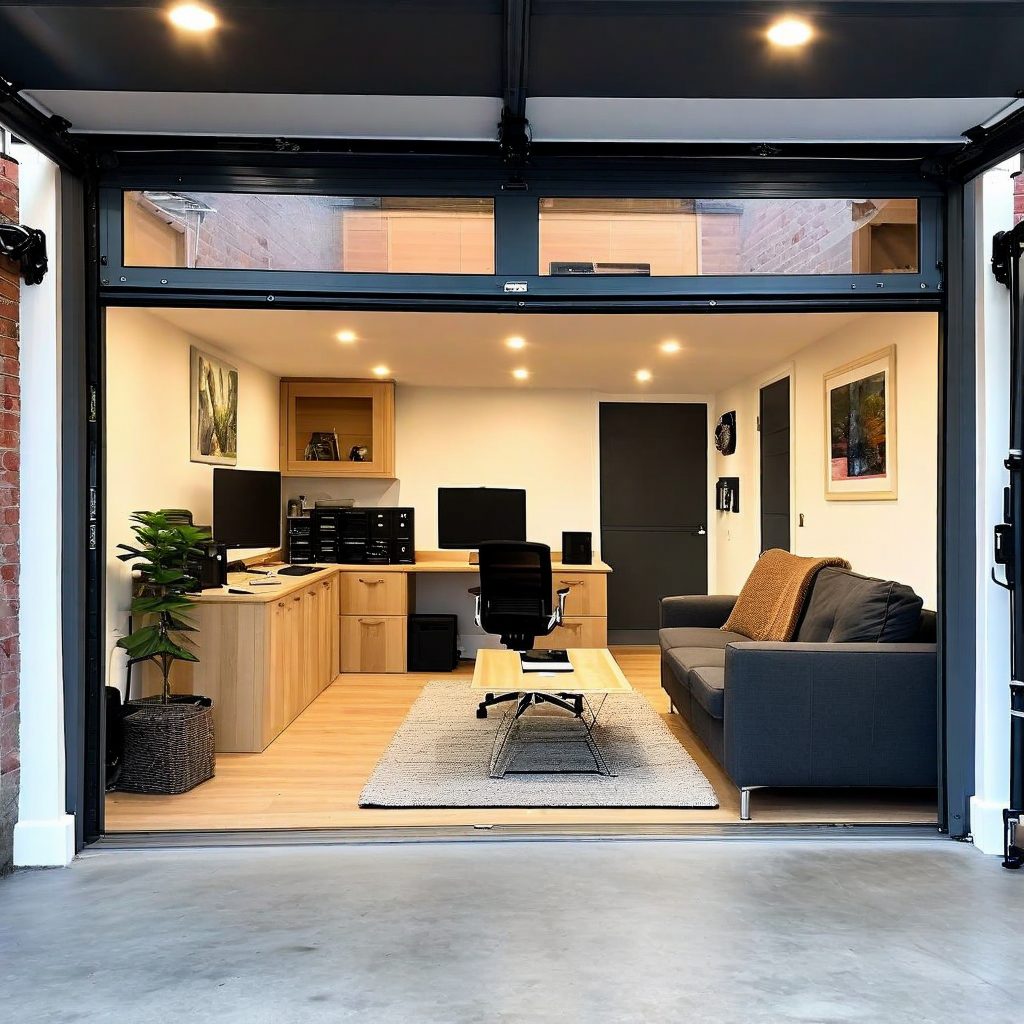
Solvay's compact lots and detached garages make the area one of the most active markets in CNY for garage conversion layout projects. An investor or homeowner can turn an underused garage into a rentable studio or in-law suite, but only if the conversion respects the code framework that governs converted garages in New York. The garage conversion layout you sketch on a napkin will not be the layout that passes inspection. Knowing that up front saves rework.
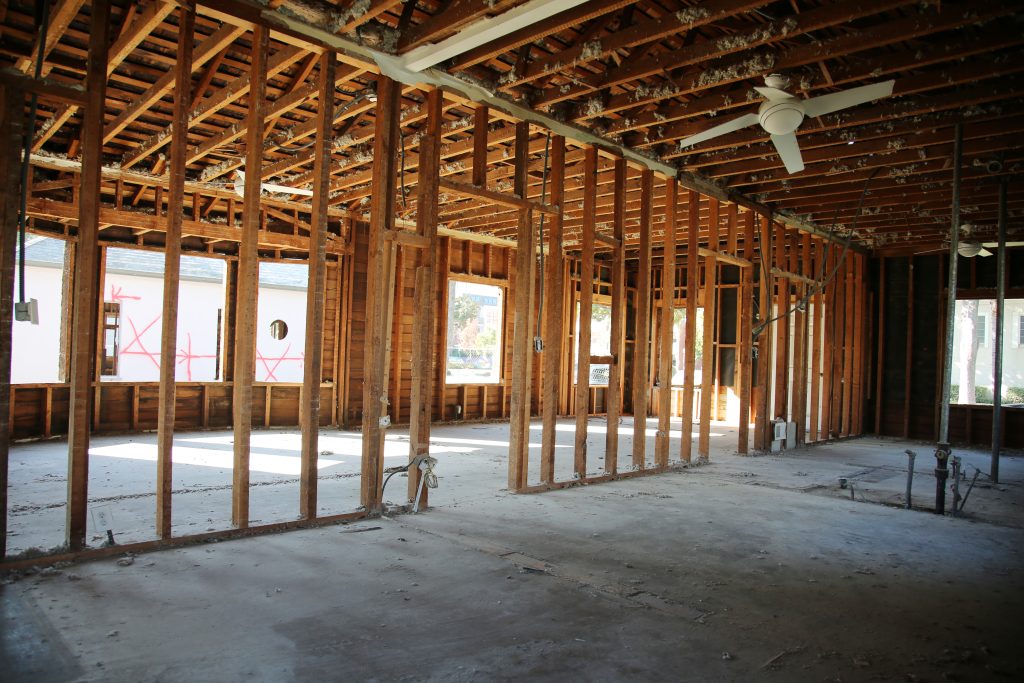
If you live in a mid-century ranch on the Oswego Street corridor in Liverpool, you already know the problem. The kitchen, dining room, and living room sit in three small boxes separated by walls that were never meant to come down. Your kids run between rooms while you cook. You cannot see them from the sink. The layout was designed in 1962, and your family lives here in 2026. The good news: most of those walls can come down. The harder news: the one you most want to remove is almost certainly load-bearing, and the way you handle that wall determines whether you end up with a beautiful open kitchen or a sagging ceiling and a code violation.
When a Lysander homeowner rebuilds an aging shower, the question under the tile is which waterproofing system to use, and the honest answer is that both work when built right and both fail when rushed. The schluter vs cement board debate is really about where the waterproofing lives: bonded to the surface, or behind the board with a separate membrane. For an aging-in-place owner who wants this to be the last shower they ever rebuild, the durability through CNY freeze-thaw is what matters most.
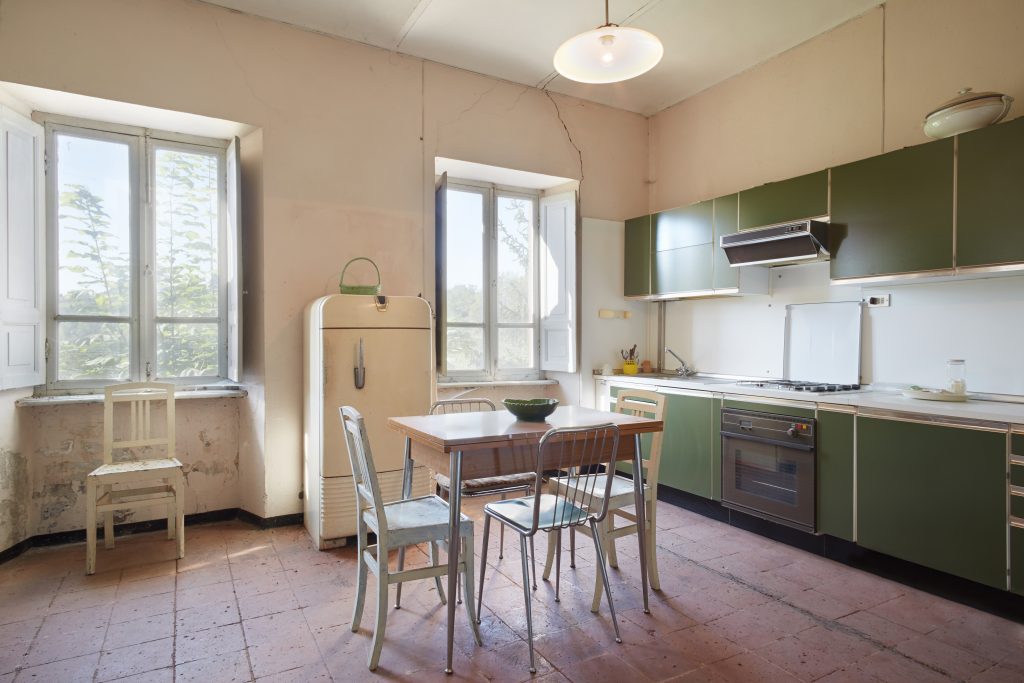
Walk into any pre-1940 home in the James Street area of Syracuse and you will see the same kitchen. A galley footprint with the sink under a window, a freestanding range against one wall, and a refrigerator wedged where the original icebox used to live. It is character-rich, charming, and miserable to actually cook in. The good news is that the bones of these urban historic kitchens are forgiving once you understand the design language they were built around, and a properly executed work triangle can transform the way the room functions without losing what makes the home feel like itself.
On the Lyndon Road side of DeWitt the lots are deep enough that an attached in-law suite pencils out as a rental, but the permit is where most investor projects stall. An attached suite is not a spare bedroom with a hot plate. Onondaga County reads it as a second dwelling unit the moment it has its own kitchen and bathroom, and that classification triggers a different review track. Knowing which track you are on before you draw the addition saves you a rejected application and a lost building season.
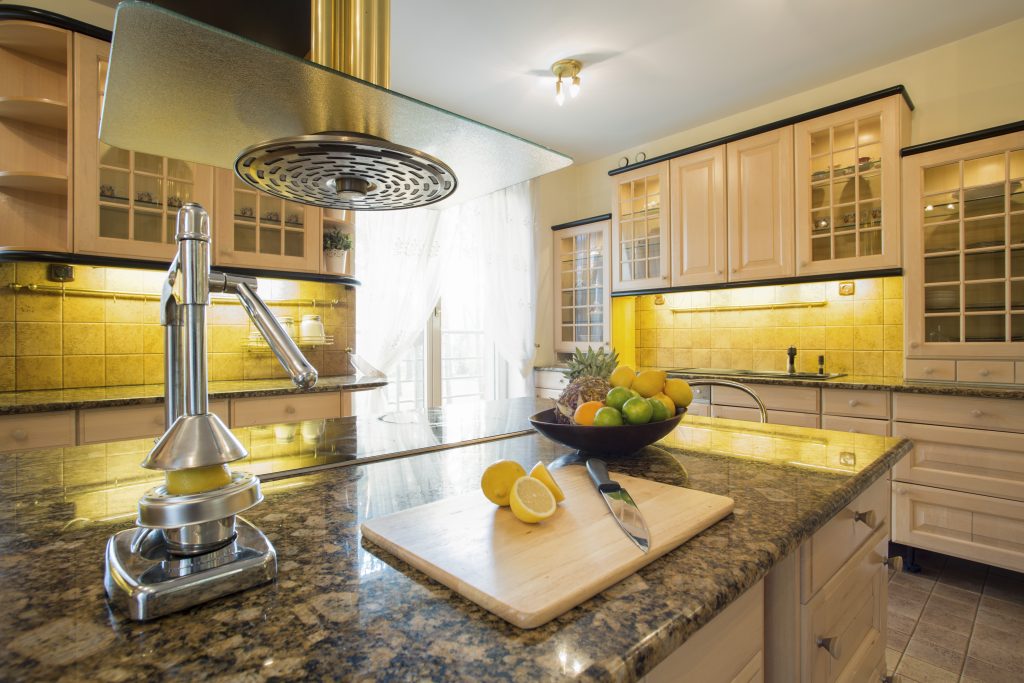
Two Geddes kitchens can spec the same quartz and end up looking completely different, because the slab, the seam, and the fabricator decide the result as much as the brand on the sample chip. A lifestyle upgrader who picks counters off a two-inch sample is gambling. Smart quartz slab sourcing means seeing the actual slabs, controlling where the seams land, and asking the fabricator the handful of questions that separate a clean job from a costly redo.
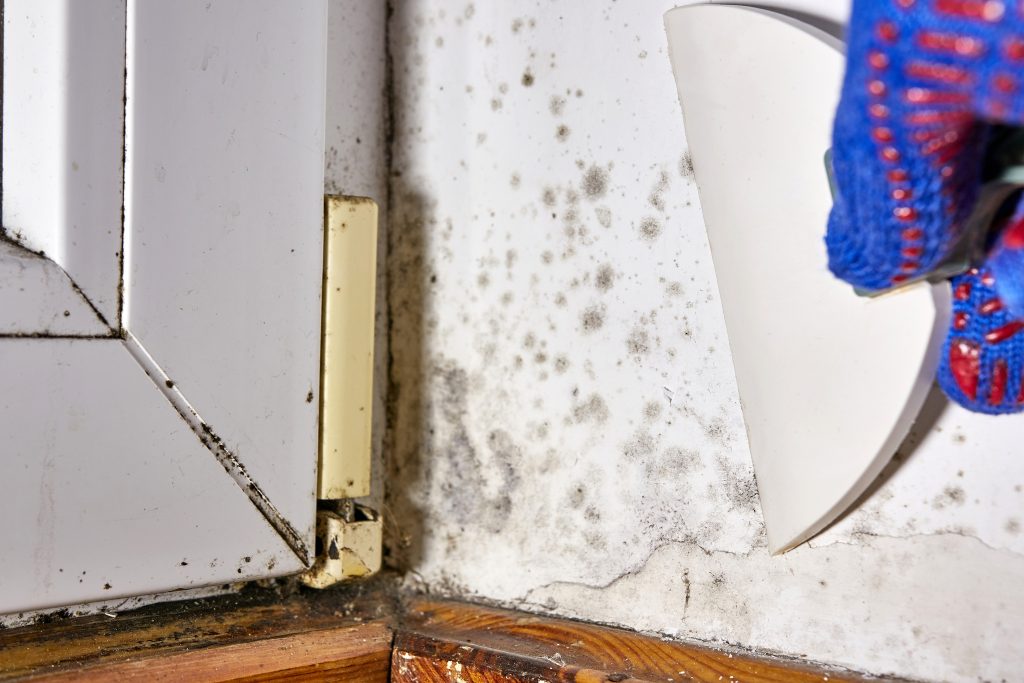
Syracuse's James Street historic homes are beautiful at the street level and frequently problematic at the basement level. Original fieldstone foundations, decades of intermittent moisture, and accumulated organic debris produce some of the most consistent mold conditions in CNY. If you are an aging-in-place homeowner planning to finish a James Street basement into livable space, the work that has to happen before any framing begins is professional basement mold remediation. The work is non-negotiable, the cost is real, and skipping it puts your health and your investment at risk.
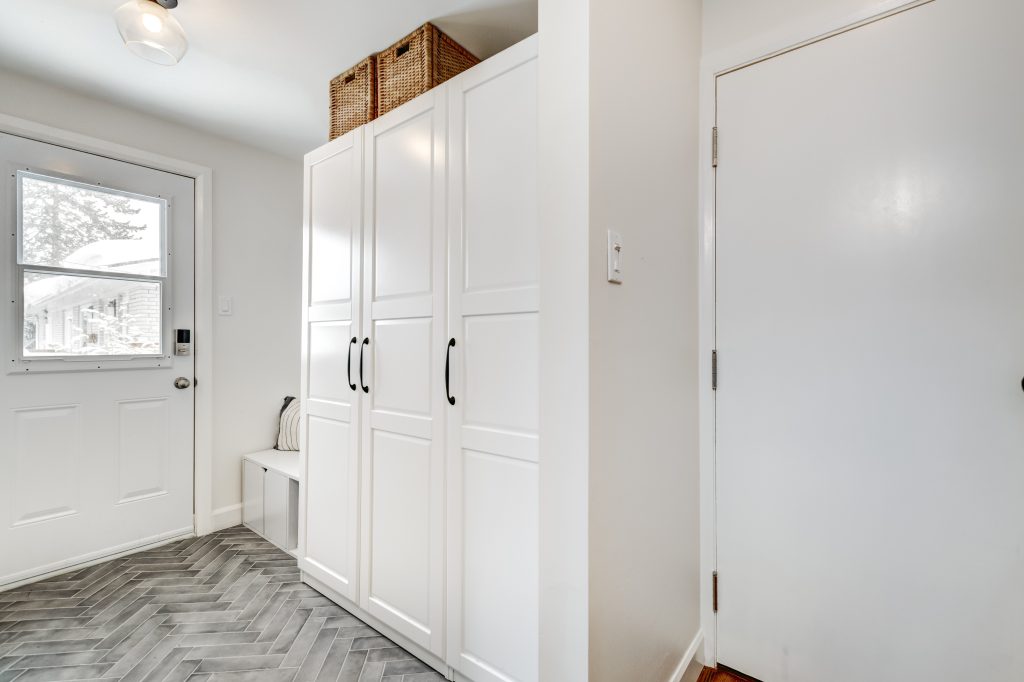
If your Baldwinsville home has a kitchen that backs onto an exterior wall and a back door that dumps boots into the wrong room, you are sitting on the highest-leverage layout move in the home. The pantry mudroom combo turns that wall into a 6 to 10 foot deep zone that handles every storage and weather-defense problem a growing family faces, all in one continuous footprint. It is the most-requested layout change we do for Baldwinsville families.
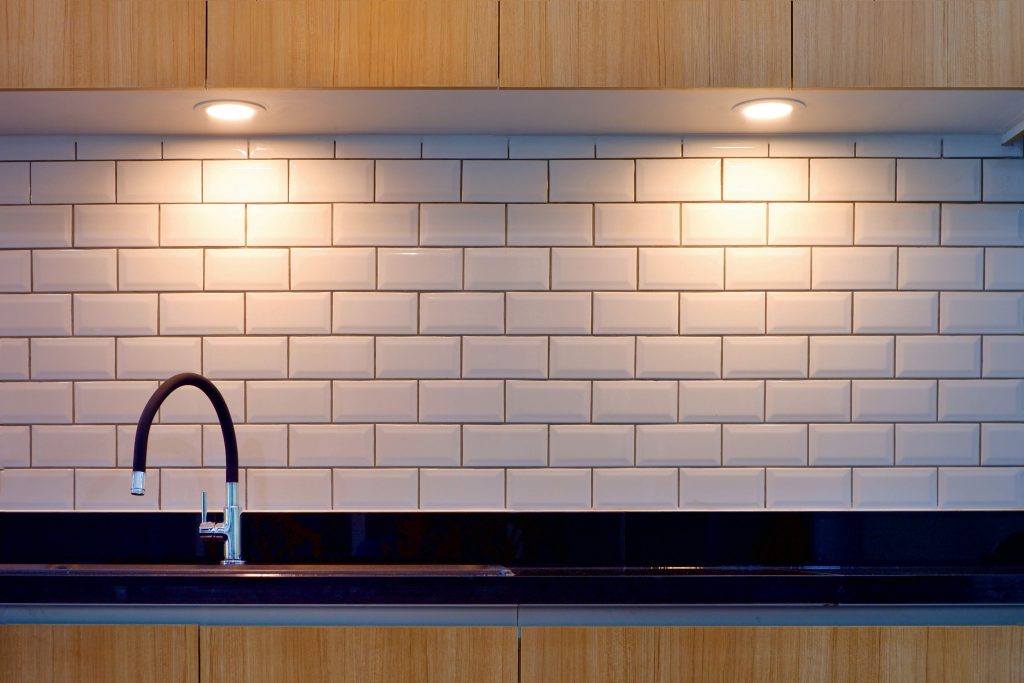
Subway tile is the safe backsplash choice in Clay kitchens, which is exactly why a lazy install looks generic and a thoughtful one looks custom. The tile is cheap; the decisions are not. Pattern, grout color, and where the runs terminate are what make a subway tile backsplash read as designed rather than defaulted. For a lifestyle upgrader watching resale, those small calls are the difference between timeless and dated.
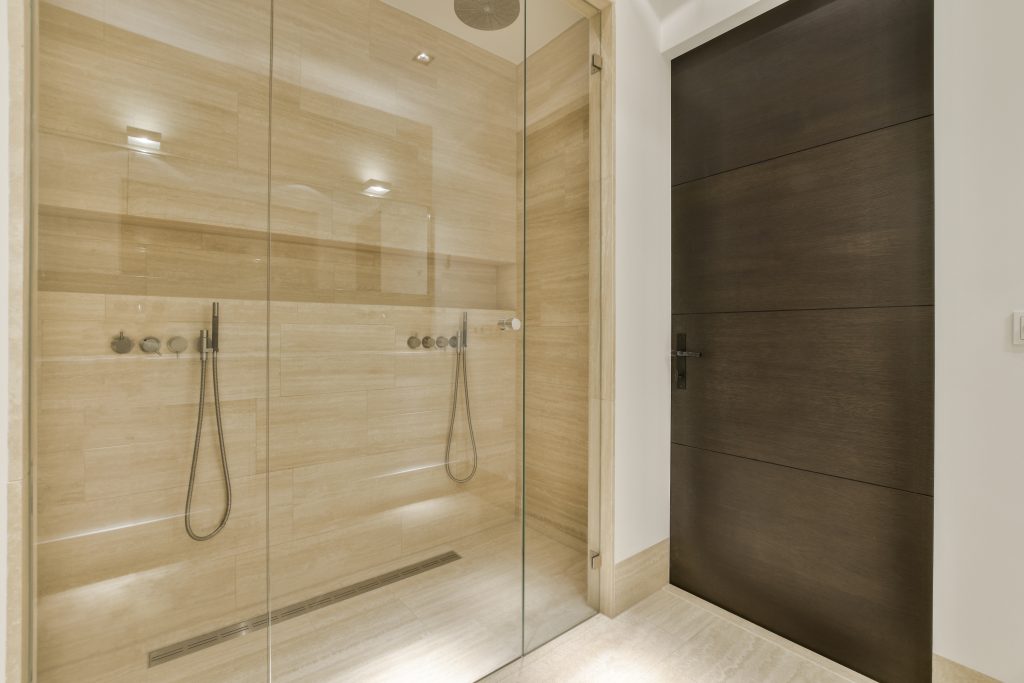
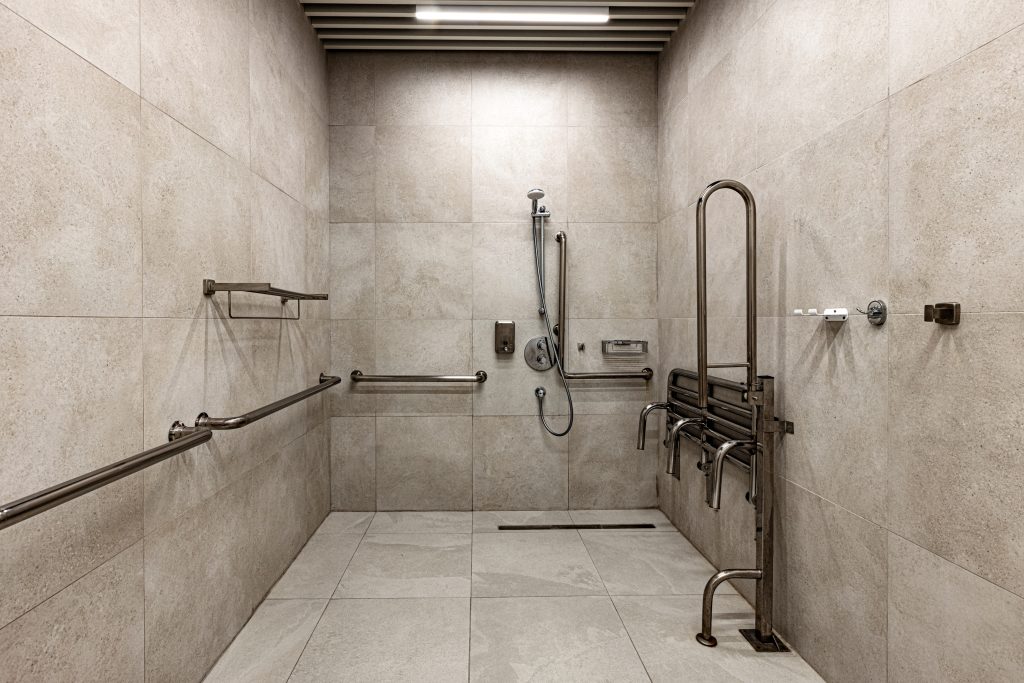
For a Phoenix homeowner planning to stay put, the bathroom is the room that decides whether that plan holds. An aging in place bath is not a kit of medical parts bolted onto a normal bathroom. It is a layout designed from the start around reach, balance, and clearance, so it works at seventy the way it works at fifty. The features that matter are mostly invisible: blocking in the walls, a floor that drains without a curb, and a door wide enough for a walker.
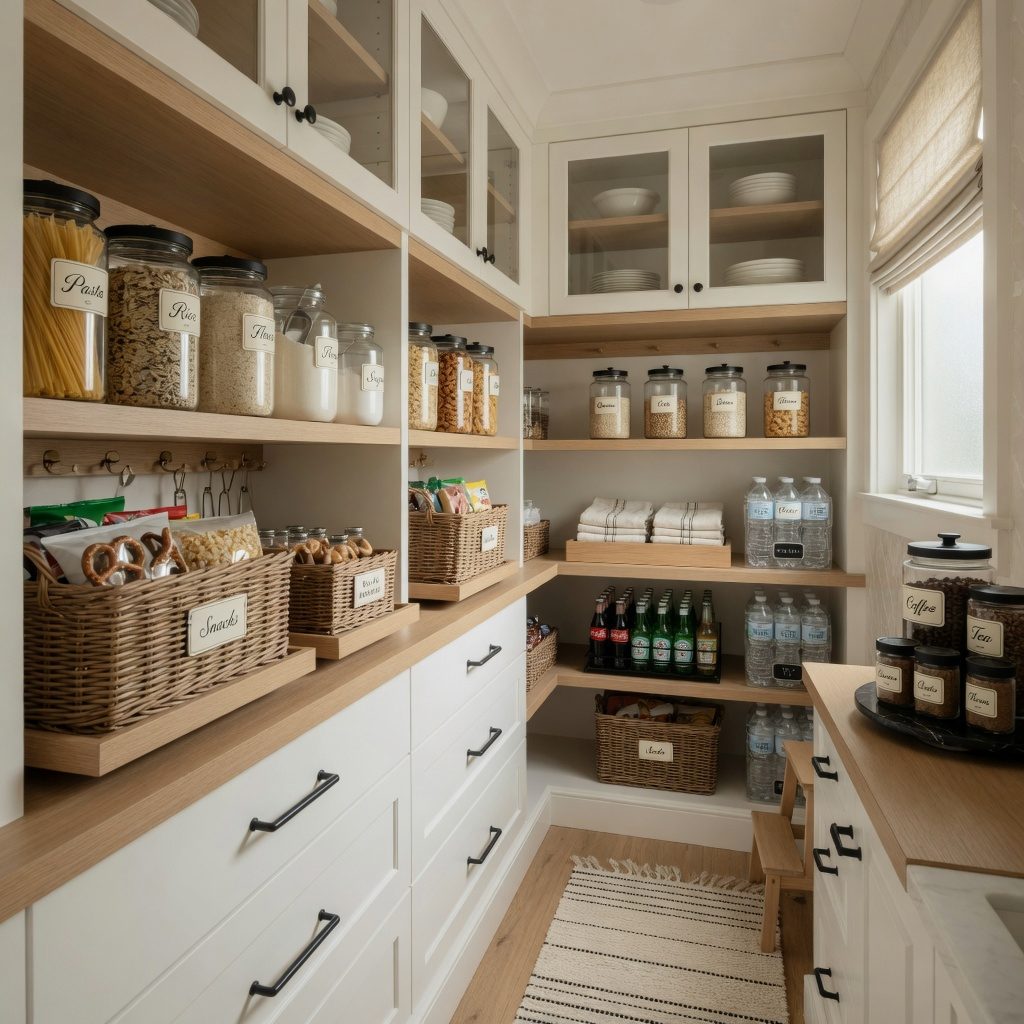
A growing Marcellus family does not have a kitchen storage problem, it has a pantry problem, and the two are not the same. Cramming more cabinets into the kitchen makes the room cluttered; pushing the bulk storage and the small-appliance chaos into a real pantry makes the kitchen breathe. A genuine walk in pantry design is the highest-leverage storage move in a family home, and it is mostly about depth, outlets, and how the door flows from the work zone.
For investors and property owners working on Camillus rental conversions and flip projects, the load-bearing beam decision is one of the highest-leverage technical choices on the job. Pick the right beam and the wall comes down clean, the inspection passes, and the open footprint sells. Pick wrong and you eat the cost of pulling the framing back open to swap the member. The load-bearing wall removal decision math reduces to span, load, headroom, and finish constraint.
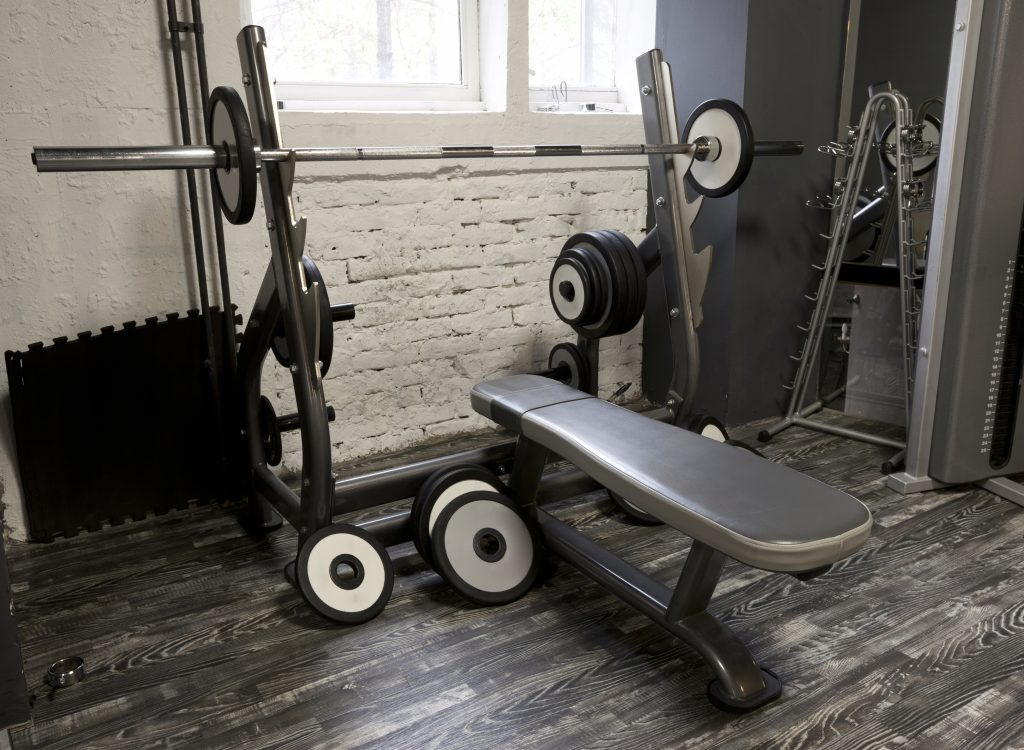
A basement is the right place for a home gym in Solvay because the slab is already on grade, but two numbers decide whether the room works: how much load the floor can take and how much air the room can move. Drop a loaded barbell from lockout and you are putting a brief impact load on the slab and the framing above the joists that matters more than the static weight of the equipment. Plan the basement gym floor load and the airflow first, and the finishes second.
An accessory dwelling unit only makes sense as an investment if the rent supports the build cost in your specific submarket, and Central New York is not one market. An ADU in Auburn's Historic District does not rent for what the same unit commands closer to the university corridor, and the build cost barely moves. Running the adu rental roi cny math by submarket, not by a statewide average, is what separates a cash-flowing unit from a vanity project.
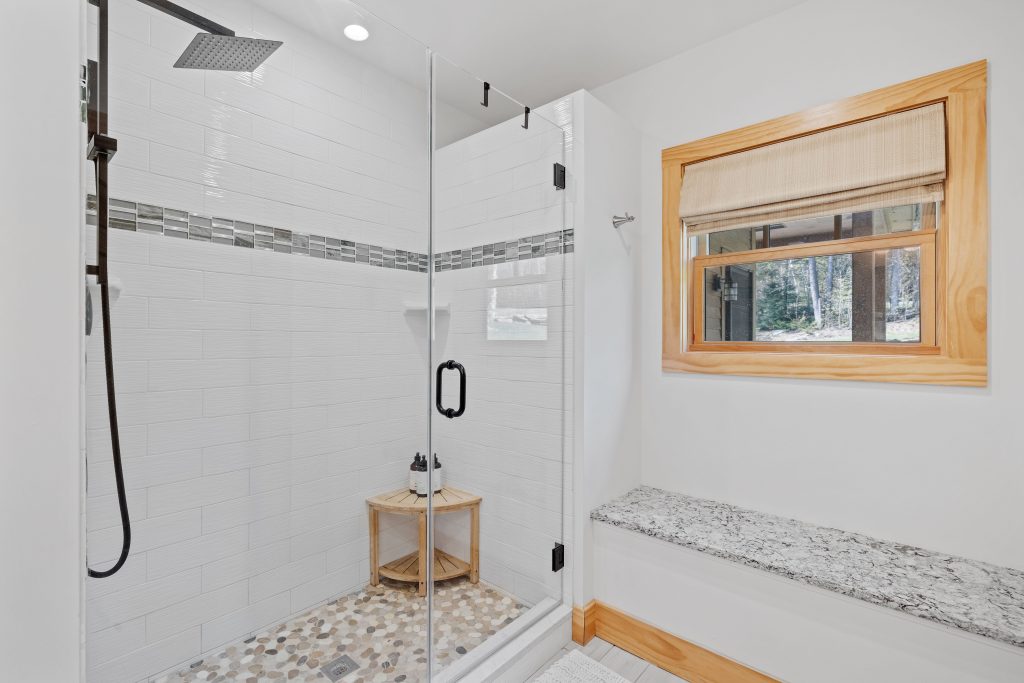
In the older James Street homes around Syracuse, an aging-in-place homeowner often wants to keep living on their own terms, and a walk-in shower with a solid bench is one of the highest-value moves toward that. A bench looks simple. Done wrong it ponds water, leaks behind the tile, or flexes under weight. The walk in shower bench code and the waterproofing details are what separate a bench that lasts twenty years from one that fails in two.
An investor in Manlius can finish a basement conversion beautifully and still lose money at closing, because the permit was never closed and a subcontractor lien is still on the title. The build is the visible part. The lien free permit close out is the part that protects the asset, and it is the step most rushed crews skip. On Highbridge Road properties that change hands or get refinanced, an open permit or an unreleased lien stops the deal cold.
Investors and homeowners looking at Clay properties for a side-addition expansion almost always run into the same wall before construction even starts: the setback rule. Clay residential zoning enforces a minimum side setback that frequently kills the addition that the lot looks like it should allow. Understanding which setbacks apply where, and which variances are realistically available, is the difference between a deal that pencils and a deal that gets stuck at the planning desk.
Countertops are where a Manlius kitchen budget meets daily reality, and the three surfaces homeowners actually choose between behave very differently in a working kitchen. The quartz vs granite countertop debate gets most of the attention, but butcher block is back in real kitchens too. For a lifestyle upgrader thinking about both enjoyment and resale on Highbridge Road, the right answer depends on how you cook, what you are willing to maintain, and what the next buyer expects.
Lyncourt's mix of small urban lots and existing detached garages makes the area one of the most predictable garage-to-studio conversion markets in CNY. Investors who model the numbers correctly find that a converted detached garage studio in Lyncourt typically rents at 1100 to 1450 dollars per month, with vacancy that lags the broader rental market by a meaningful margin. The garage studio roi math is what separates the deals that close from the deals that should not.
Your Westvale cape was built in 1948 with two upstairs bedrooms tucked under the roofline, and your growing family has outgrown it. You have a yard you love and neighbors you do not want to leave. The math question on the table is simple: does it make sense to add a second story instead of selling and moving up? In Central New York the answer comes down to honest numbers, not the optimistic figure you saw in a TV remodel show.
Liverpool's older lots typically include a detached garage at the rear of the property, often built to lot-line setbacks that were legal in 1955 but no longer apply for habitable construction today. Investors who buy a Liverpool property hoping to convert that detached garage into an ADU first need to understand whether the existing garage location even allows the conversion. The detached garage adu setbacks for habitable space are tighter than those for the original garage, and the math has to be done before the deal closes.