Your Trusted Choice for Quality Renovation & Remodeling Since 2017

- About
OUR JOBS
ROOFING
James St., Syracuse
SIDING
James St., Syracuse
KITCHEN RENOVATION
James St., Syracuse
BATHROOM RENOVATION
James St., Syracuse
Your Trusted Choice for Quality Renovation & Remodeling Since 2017
James St., Syracuse
James St., Syracuse
James St., Syracuse
James St., Syracuse
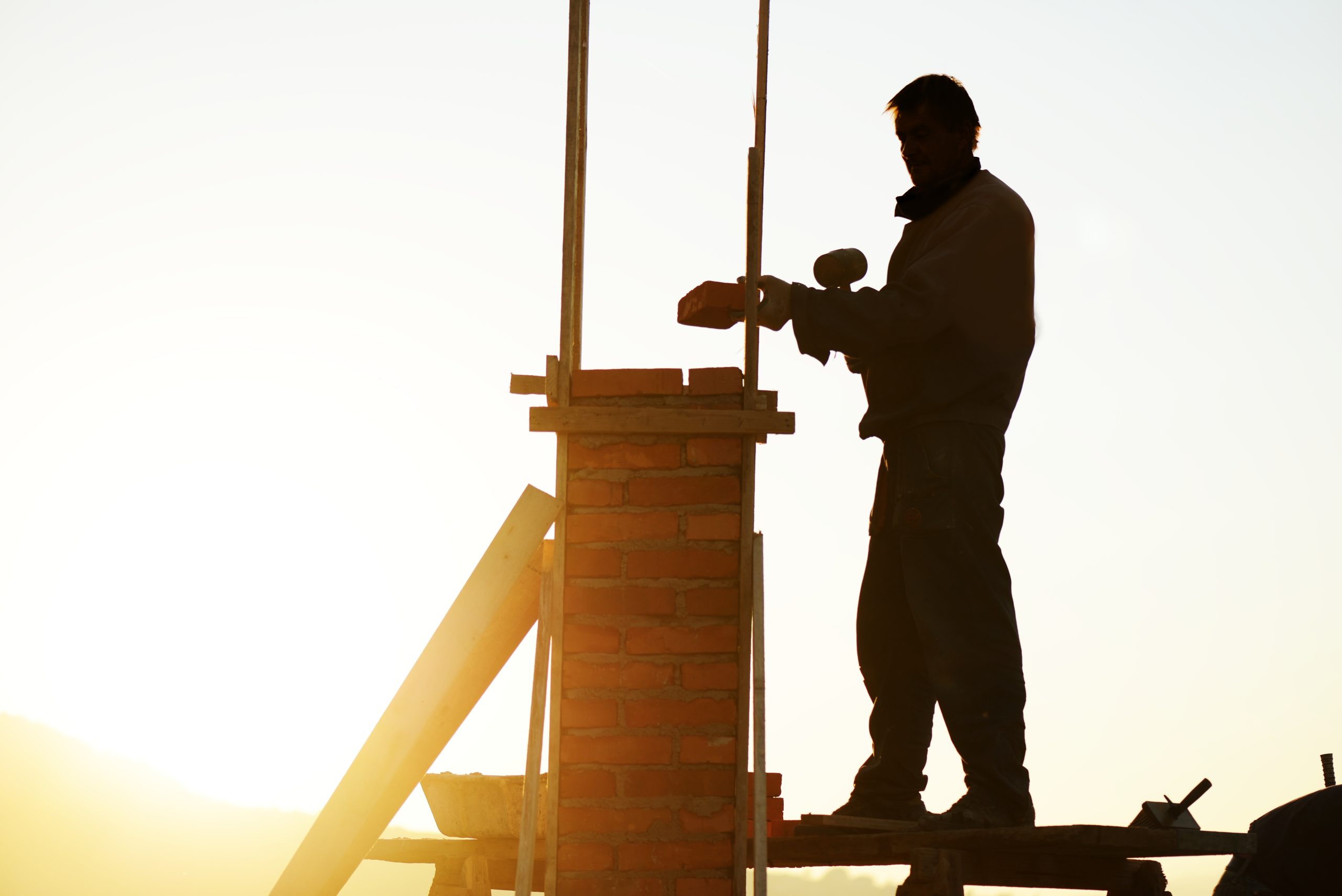

Tuckpointing, the precise removal of deteriorated mortar to a minimum depth of 3/4″ and replacement with new mortar matched to the original joint profile and composition, is the foundational chimney repair. Done correctly, it restores the chimney’s water-shedding integrity, stops the freeze-thaw infiltration cycle, and extends the structural life of the masonry by decades. Done incorrectly, with the wrong mortar hardness or insufficient removal depth, it traps moisture behind the new joint and accelerates brick spalling. Our masons specify mortar by type (Type N, S, or O) matched to the original brick’s compression strength and porosity, which is particularly critical in the soft historic brick common to pre-war Syracuse neighborhoods.
A continuous, properly sized stainless steel liner is the code-compliant solution for any chimney with a cracked, missing, or undersized clay tile liner. We install flexible corrugated and rigid stainless steel liner systems from the firebox or appliance connection at the base to the chimney cap at the top. Liner sizing is calculated based on the specific heating appliance it serves, BTU output, flue gas temperature, and exhaust velocity all determine the correct diameter. An undersized liner creates dangerous back-drafting conditions; an oversized liner produces excessive condensate and creosote buildup. We size every installation to the appliance, not to the existing opening.
The chimney crown is the first line of defense against water infiltration. A properly built crown overhangs the chimney sides with a drip edge, slopes away from the flue opening, and is cast from a mix proportioned for long-term freeze-thaw resistance. We remove and replace deteriorated crowns rather than applying surface sealers over compromised material, a repair that extends the underlying failure rather than resolving it. New crowns are installed with a flexible expansion joint around the flue tile to accommodate differential thermal movement without cracking.
The flashing system, the intersection of the chimney masonry and the roof plane, is the second most common source of chimney-related water intrusion after the crown. A properly flashed chimney uses a two-part system: step flashing woven into the roofing at the sides, and counter flashing embedded into the masonry joints above it. We repair and replace failed flashing using heavy-gauge aluminum or lead-coated copper, and we seal the counter-flashing reglet with elastomeric sealant rated for the full CNY temperature range. For chimneys where the masonry is sound but microporosity allows gradual moisture absorption, we apply a vapor-permeable penetrating sealer that allows the masonry to breathe while blocking liquid water infiltration.
Chimney work happens at height, produces debris, and involves fire-safety systems that must function correctly from the first use after completion. Our process is structured around three non-negotiables: accurate diagnosis before any work begins, complete protection of your property during execution, and verified safety compliance at final handoff.
Every project begins with a full visual inspection of the exterior masonry from the roofline to the crown and a closed-circuit camera scope of the flue interior. The camera scope is non-negotiable for any chimney serving an active heating appliance, it is the only way to confirm the liner condition, identify offset tile joints, locate internal blockages, and determine whether the existing liner is salvageable or requires full replacement. Written findings with photographic documentation are provided before any repair recommendation is made, and your detailed written estimate is delivered within 24 hours.
Chimney masonry work produces mortar debris, brick fragments, and repointing dust that will damage roofing shingles, gutters, and plantings directly below the work area. Before a single chisel is raised, we stage drop cloths on the roof deck around the chimney base, protect gutters with rigid cover panels, and establish a controlled debris collection zone on the ground. Daily site cleanup is enforced, falling material that lands in a gutter or on a planting bed is not acceptable, and our crews treat property protection with the same standard they apply to the masonry work itself.
Repointing work is executed by chiseling or cutting deteriorated mortar to the specified depth, vacuuming the joint clean, damping the surrounding brick to control suction, and packing new mortar in layers without voids. Liner installations are sequenced from the top down, the liner assembly is lowered into the flue, connected and sealed at the appliance connection, and terminated with a properly sized chimney cap. All work is executed in compliance with NFPA 211 and the applicable sections of the International Residential Code.
The completed chimney system is inspected against the project scope before the crew leaves the property: mortar joint quality and depth, liner continuity and termination, crown slope and seal, flashing waterproofness, and cap installation security. All debris is removed from the roof, gutters, and property. A written completion report is provided documenting the work performed and the final condition of each system. Learn more about our quality standards on the About page.
A homeowner in Syracuse’s Strathmore neighborhood contacted us after noticing a persistent white staining on the living room wall adjacent to the chimney chase, the classic signature of efflorescing mineral salts deposited by water migrating through the masonry. A camera scope of the flue confirmed what the exterior inspection had already suggested: the original 1930s clay tile liner had multiple offset joints and two full tile fractures, the chimney crown had separated along a central crack running the full width of the cap, and roughly 40% of the mortar joints in the upper six courses of the chimney stack had degraded to finger depth or beyond.
Travis O’Connell Byrne, our Exterior & Roofing Specialist, led the assessment and scoping. Travis identified that the existing step flashing at the chimney-to-roof intersection had been coated with roofing tar at some prior repair, a common short-term fix that had since cracked and was directing water directly behind the counter-flashing rather than over it. His assessment drove a four-component repair scope: full tuckpointing of the deteriorated stack courses, removal and replacement of the crown, a new continuous flexible stainless steel liner sized to the homeowner’s gas furnace, and complete flashing replacement with heavy-gauge aluminum step and counter-flashing embedded fresh into the masonry joints.
The project was completed over three working days. The interior water staining stopped appearing within one heating season. The homeowner, who had been running a carbon monoxide detector within 10 feet of the furnace flue connection as a precaution, was able to relocate it to the standard sleeping-area placement once the liner was confirmed sound and continuous.
Chimney failure is fundamentally a weather-defense failure, and that’s Travis O’Connell Byrne’s domain. With a career built around CNY’s most demanding exterior conditions, Travis brings the same analytical discipline to a failing chimney that he applies to a compromised roof system: identify the full failure chain before touching anything, specify the repair to the root cause rather than the surface symptom, and execute with materials rated for the climate. His flashing assessments have caught dozens of misdiagnosed ‘roof leaks’ that were actually chimney-originating water intrusion, a distinction that matters enormously for the repair scope and the homeowner’s wallet.
Chimney repair costs in Central New York depend on the type of work required, the chimney’s height and accessibility, and whether the liner needs partial or full replacement. The figures below are realistic 2025-2026 planning benchmarks for the CNY market, not binding estimates. A camera scope is required to accurately price liner work; no reputable contractor should quote liner replacement without one.
Chimney height is the dominant variable in masonry labor cost, work on a two-and-a-half story home requires staging or longer ladder setups that add time to every task. Structural damage beyond the mortar joints, full brick replacement, corbel or shoulder repairs, or rebuilding the upper courses from scratch, adds both material and labor cost that a surface repointing estimate will not include. Liner sizing for oversized or irregularly shaped flues (common in converted fireplace flues now serving HVAC appliances) may require custom liner diameters. Multiple flues in a single chimney structure, common in older CNY homes with both a furnace and a fireplace flue side by side, multiply liner and repointing scope proportionally.
Don’t defer a chimney that’s showing signs of failure, schedule your chimney inspection and estimate. A written assessment with photographic documentation is delivered within 24 hours of the site visit.
A chimney in active service is a life-safety system, not a landscape feature. In Central New York’s climate, the deterioration from one deferred winter of freeze-thaw cycles is measurable and real. Whether your chimney needs targeted repointing, a complete liner replacement, or a full crown-to-flashing restoration, SAP Construction delivers the full scope of chimney repair with the same structural discipline and property-protection standards we bring to every exterior project. Contact us today to schedule your chimney inspection, a written assessment with photographic documentation and a detailed estimate are delivered within 24 hours of the site visit.
Our experts are here to help. Contact us directly for a consultation or any specific questions about your project.
Our experts are here to help. Contact us directly for a consultation or any specific questions about your project.