Your Trusted Choice for Quality Renovation & Remodeling Since 2017

- About
OUR JOBS
ROOFING
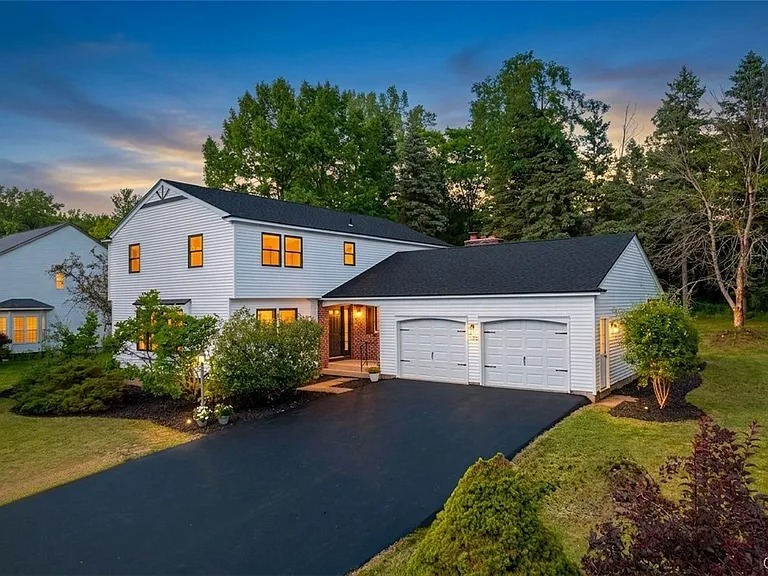
James St., Syracuse
SIDING
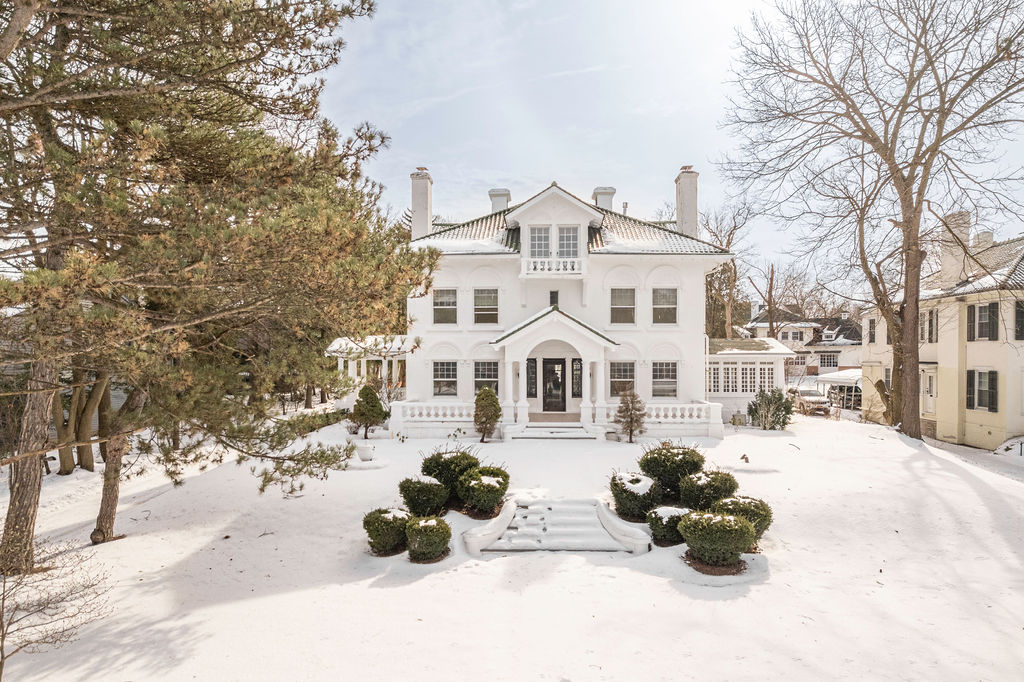
James St., Syracuse
KITCHEN RENOVATION
James St., Syracuse
BATHROOM RENOVATION
James St., Syracuse
Your Trusted Choice for Quality Renovation & Remodeling Since 2017
James St., Syracuse
James St., Syracuse
James St., Syracuse
James St., Syracuse
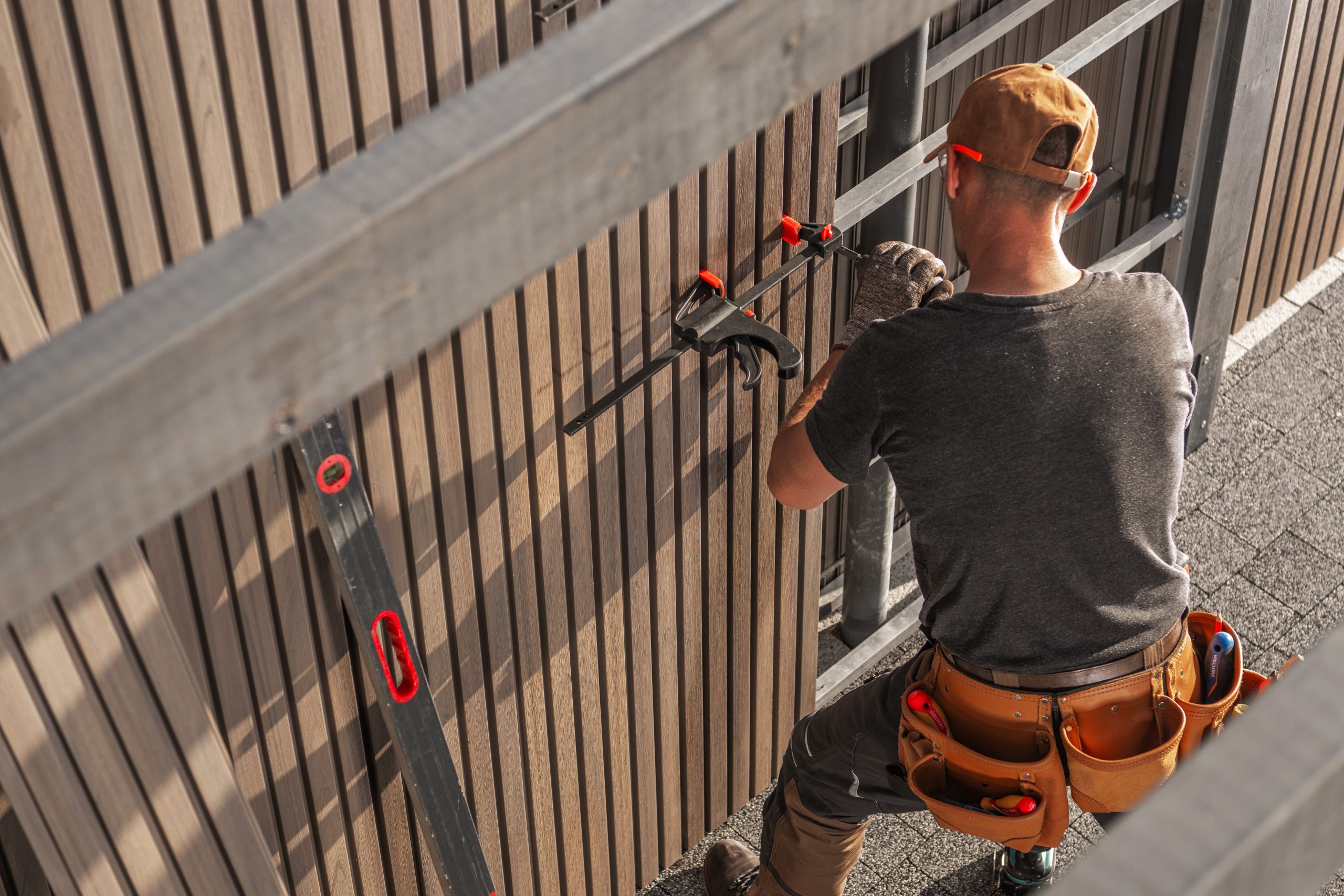
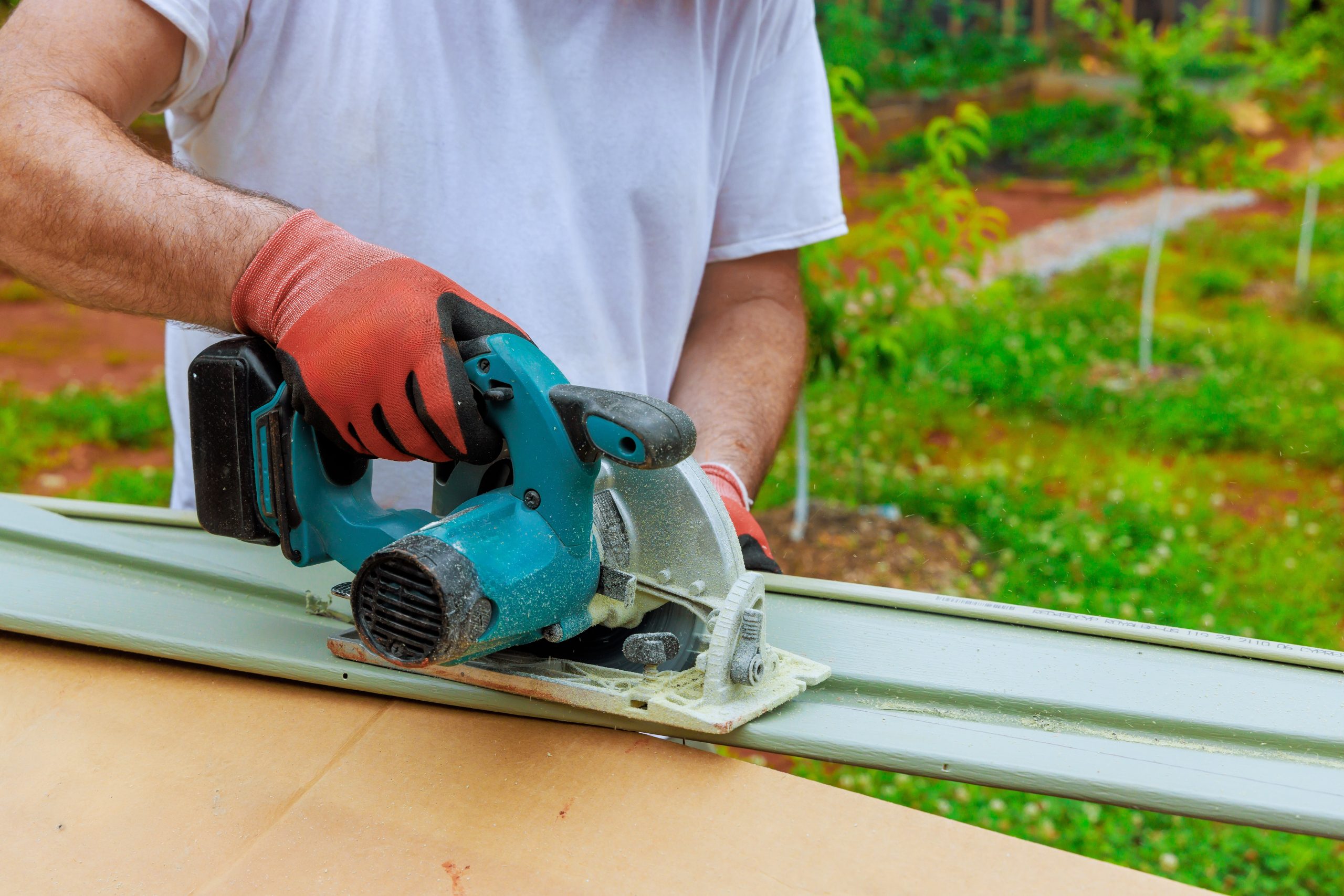
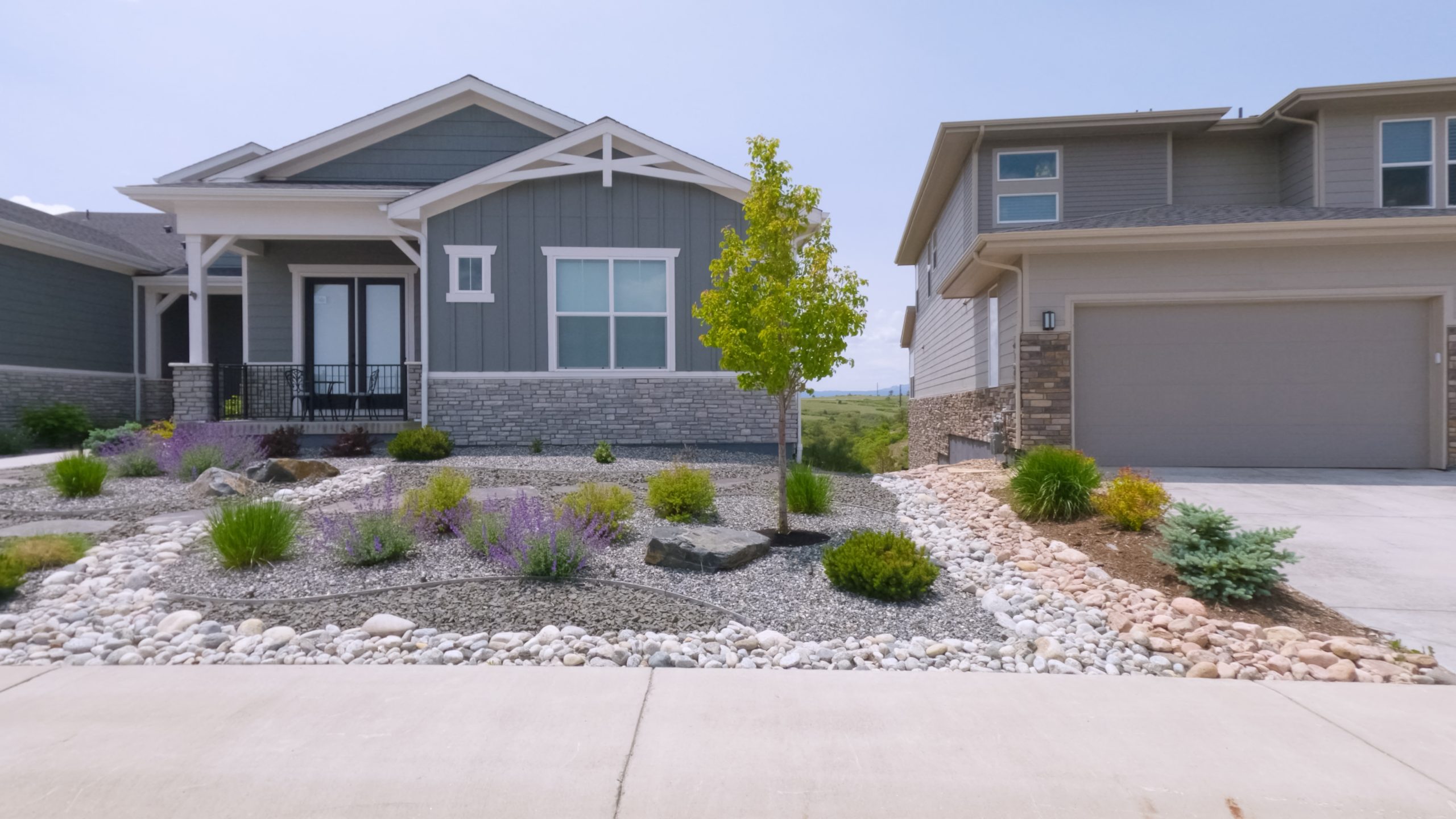
Material selection affects installation cost, long-term maintenance requirements, energy performance, and how your home weathers CNY’s specific climate demands. We carry and install all major residential siding systems, the right choice depends on your budget, your home’s architectural profile, and how much ongoing maintenance you want to perform.
Fiber cement siding, most commonly James Hardie products, is a cement, sand, and cellulose composite that resists rot, insects, fire, and impact while accepting paint like wood. For Central New York homeowners, it is the performance choice: it does not absorb moisture and will not crack or warp through the freeze-thaw cycles that stress lower-grade materials every winter. James Hardie’s HardieZone system is specifically engineered for cold climates, and its ColorPlus factory-finish option carries a 15-year fade and chip warranty that eliminates the first repaint cycle. Installed cost typically runs $8-$15 per square foot. The 30-year manufacturer warranty covers the full product line.
Not all vinyl siding performs equally in this climate. Builder-grade vinyl, thin-walled, low-impact-rated panels, becomes brittle and crack-prone in sustained sub-zero temperatures, a condition we see regularly on homes throughout Onondaga County that used minimum-spec material in the 1990s and 2000s. Premium vinyl, with thicker walls, higher impact ratings, and proper expansion allowances installed, holds up significantly better through CNY’s temperature swings. Insulated vinyl, panels with bonded foam backing, adds R-2 to R-4 of continuous insulation outside the framing, reducing thermal bridging through the studs and meaningfully improving the effective R-value of the wall assembly. Installed cost runs $4-$8 per square foot for standard premium vinyl and $6-$11 per square foot for insulated panels.
LP SmartSide uses treated wood fiber and resin to produce a panel that looks like natural wood but resists moisture, insects, and fungal decay better than untreated lumber. It maintains paint better than natural wood over comparable maintenance intervals and carries a 50-year limited warranty. Installed cost runs $6-$12 per square foot. It is a strong middle-ground option for homeowners who want the visual warmth of wood without the maintenance burden of natural cedar or pine.
Cedar, redwood, and pine siding provide a natural aesthetic that synthetic materials replicate but do not fully match. Installed cost ranges from $8-$20 per square foot depending on species, profile, and grade. In CNY’s climate, natural wood siding demands a disciplined maintenance program, repainting or restaining every 5-10 years and prompt caulk repair at any cracked or open joint. Properly maintained cedar siding can last 30-40 years. Neglected wood siding in this climate deteriorates within 10-15 years regardless of original installation quality.
A full siding replacement is one of the most cost-effective opportunities to improve your home’s thermal envelope. Air infiltration through gaps, failed caulk, and deteriorated house wrap behind the old siding accounts for a measurable share of heating loss, and in CNY’s winters, heating loss is a year-round budget item. Replacing the siding addresses all of these at once: new house wrap, fresh caulk at every penetration, and optionally, insulated panels that add continuous R-value to the wall.
House wrap, products like Tyvek HomeWrap or DuPont Styrofoam-backed systems, is the moisture barrier installed between the sheathing and the siding. It sheds water that penetrates behind the cladding while allowing vapor to escape outward, preventing condensation from building inside the wall cavity. A full siding replacement always includes new house wrap when the existing material is torn, compressed, or missing. Air sealing at window rough openings, electrical penetrations, and rim joist areas behind the siding prevents conditioned air from escaping through the wall, an improvement that reduces heating and cooling cost directly and durably.
Standard vinyl and fiber cement siding provides minimal thermal resistance, R-0.5 or less. Insulated vinyl, with foam backing bonded to the panel, adds R-2 to R-4 of continuous insulation outside the framing. This continuous layer reduces thermal bridging through the studs, a meaningful improvement in CNY homes where wall cavity insulation is adequate but stud-to-stud bridging degrades the effective R-value of the whole wall system. The installed cost premium for insulated over standard vinyl is typically $1-$3 per square foot, with heating cost reductions that often offset the premium within a few seasons.
Siding installation follows a defined sequence that protects the wall assembly at every stage, from old material removal through flashing, weather barrier, and final caulking. Cutting corners in this sequence, particularly around flashing and house wrap, creates moisture entry points that won’t be visible until interior damage has already developed. We do not cut those corners.
We inspect the existing siding condition, probe suspect areas with a moisture meter, and pull panels at representative locations to check the house wrap and sheathing beneath. The full scope, including any rotted sheathing, failed flashing, or deteriorated window trim, is priced into the project before work begins, not discovered after the wall is open. Material selection, color, profile, and manufacturer are confirmed and ordered with lead time built in so delivery arrives before installation starts. Your written estimate is in your hands within 24 hours of the inspection visit.
Before a panel comes off, tarps go down over all landscaping, foundation plantings, and hardscape around the perimeter of the home. Existing siding is removed from the top down, exposing the house wrap and sheathing for full inspection. Any moisture staining, mold, rotted sheathing, or pest damage discovered after removal is documented, photographed, and remediated before new house wrap goes on. Debris is loaded for same-day or next-day disposal, the site stays clear throughout.
Our site supervisor, Adrian Cole Whitaker, personally reviews the weather barrier and flashing installation on every siding project before panels are attached. New house wrap is installed starting at the bottom of the wall and lapped upward so each course sheds water in the direction gravity moves it. Seams are taped. Flashing is installed at every window and door rough opening, at rim joist transitions, and at any wall-to-roof connection. No siding panel goes on until the weather barrier passes his inspection.
This standard produced exactly the outcome the Thorne family needed in DeWitt. Their home on Lyndon Road had original vinyl siding that had begun warping and pulling away from the trim boards, and when we pulled it, we found two sections of sheathing with moisture readings well above 20%, driven by failed flashing at two window rough openings that had gone undetected for years. We replaced the compromised sheathing sections, re-flashed all window openings with proper self-adhering membrane, installed fresh house wrap, and reclad the entire exterior in James Hardie HardiePlank. We coordinated the siding installation directly with their concurrent window replacement so every new window was fully integrated into the weather barrier before the fiber cement went on. The following winter was the first in several years that the Thornes did not see a bead of condensation on their interior window frames.
Siding panels are installed from the bottom course up, with each course lapped per the manufacturer’s requirements. Corner pieces, J-channels, and starter strips are set before field panels in each section. Window trim and door trim are installed and caulked to the siding. Fasteners are driven at the correct depth and spacing, improper nailing voids manufacturer warranties and, in CNY’s wind environment, reduces the panel’s resistance to uplift from Lake Ontario gusts. Level, alignment, and fastener placement are checked continuously throughout the installation, not just at the final walkthrough.
All penetrations, electrical outlets, hose bibs, light fixtures, and vents, are caulked with a flexible, exterior-grade sealant rated for the thermal movement CNY’s temperature swings produce. Step flashing at dormers, additions, and any point where siding meets a roof surface is confirmed complete. You walk the full exterior with your project manager, panel alignment, caulk coverage, trim installation, and overall finish quality are all reviewed before the job is closed. Manufacturer warranty documentation and any maintenance schedule for the installed material are provided at project handoff.
Ready to assess your home’s exterior? Schedule a siding consultation, your written estimate is ready within 24 hours.
Siding installation costs depend on home size, material selection, number of stories, trim complexity, and the extent of sheathing or flashing repair required. The figures below are planning benchmarks for the CNY market, your written estimate reflects your home’s actual wall area, condition, and selected system.
A 2,000 sq. ft. single-story home typically has 1,200-1,600 sq. ft. of actual siding surface after deducting windows and doors. A two-story home of similar footprint has more wall area and requires staging for upper-level access. Homes with complex trim profiles, decorative gables, board-and-batten accents, or elaborate frieze boards, require more labor per square foot than a straightforward horizontal lap installation. Rotted sheathing replacement adds $3-$6 per square foot for the affected area and extends project duration by one to two days in heavily damaged zones, all scoped and priced before work begins.
Siding replacement is often coordinated with roofing and window and door replacement to complete your home’s full exterior envelope in a single mobilization, reducing disruption and eliminating the redundant setup costs of separate projects. All three systems share flashing and weather-barrier connections that are best addressed together.
Our experts are here to help. Contact us directly for a consultation or any specific questions about your project.
Our experts are here to help. Contact us directly for a consultation or any specific questions about your project.