Your Trusted Choice for Quality Renovation & Remodeling Since 2017

- About
OUR JOBS
ROOFING
James St., Syracuse
SIDING
James St., Syracuse
KITCHEN RENOVATION
James St., Syracuse
BATHROOM RENOVATION
James St., Syracuse
Your Trusted Choice for Quality Renovation & Remodeling Since 2017
James St., Syracuse
James St., Syracuse
James St., Syracuse
James St., Syracuse

Central New York sits in one of the most demanding roofing environments in the Northeast. The combination of lake-effect snow from Lake Ontario, deep freeze-thaw cycling, and wide temperature swings across a single winter season creates failure modes that simply do not appear in milder climates, and that require a different standard of installation to prevent.
Communities north and west of Syracuse, including Cicero and Baldwinsville, sit directly in the path of Lake Ontario’s lake-effect snow bands. These systems can deposit two to three feet of snow in 24 hours, loading roofs with weight far beyond what a typical light-season snowfall produces. Proper roof framing, ridge ventilation, and shingle installation all affect how that load distributes and whether it slides or accumulates. We account for CNY’s ground snow load zone on every roof replacement we price.
An ice dam forms when heat escaping from the living space warms the roof deck above the attic, melting snow at the upper sections of the roof. That meltwater runs down toward the eaves, which overhang the exterior wall and stay cold, where it refreezes into a growing ridge of ice. As the dam builds, pooled meltwater behind it has nowhere to go except under the shingles and through the roof deck, where it finds its way into wall cavities, insulation, and ceilings below.
Ice dams are a ventilation and insulation problem as much as a roofing problem. But the correct ice and water shield installation is the last line of defense when those conditions exist, and in CNY, those conditions exist every winter. We install self-adhering ice and water shields at all eaves, in all roof valleys, and around every penetration as a standard element of every replacement we build, not as an upgrade.
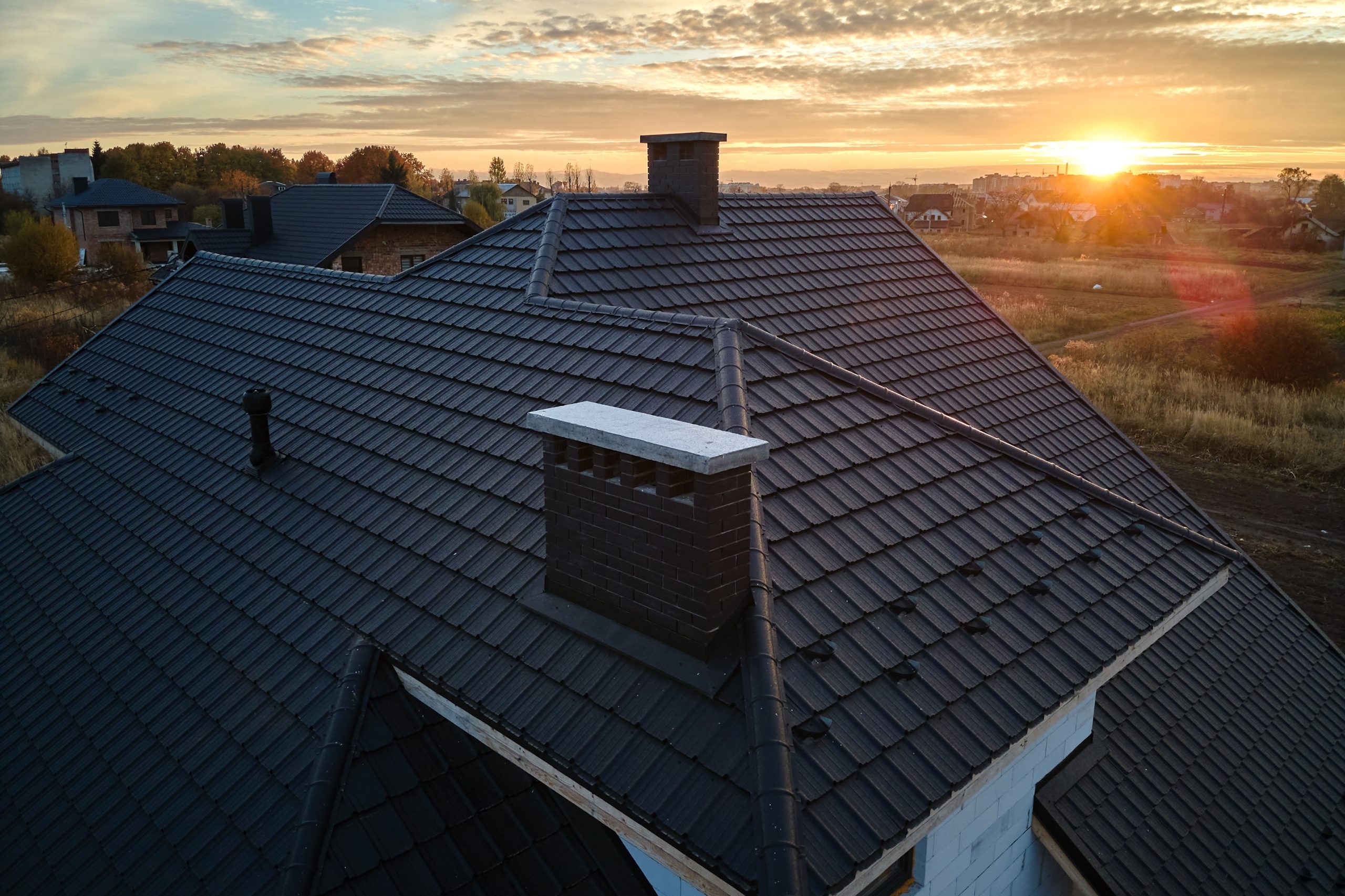
CNY winters routinely cycle above and below freezing dozens of times between November and March. Each cycle expands and contracts the metal flashing at chimneys, skylights, dormers, and pipe boots, gradually working sealants and counter-flashings loose over years of use. Standard caulk compounds that harden and crack under this stress are a recurring source of localized leaks in roofs that otherwise appear sound. We use elastic, high-performance sealants on all flashing work and inspect every penetration during the tear-off phase, not just from the exterior.
The right material depends on your budget, home style, and how long you plan to own the property. We work primarily with GAF and Owens Corning systems, manufacturers whose products are specifically engineered and warranted for severe weather performance in climates like ours.
Architectural (dimensional) asphalt shingles are the most practical and cost-accessible roofing choice for most CNY homes, installed on a correctly ventilated deck with full ice and water shield protection, they deliver 25-30 years of reliable performance. We install GAF Timberline HDZ and Owens Corning Duration series as our standard systems, both carry Class 4 impact resistance ratings and Algae-Resistant warranties appropriate for this climate. Installed cost for architectural asphalt typically runs $4-$8 per square foot depending on pitch, access, and deck condition.
Metal roofing performs exceptionally well in CNY’s snow environment, snow sheds cleanly from a metal surface rather than sitting and loading. Standing seam systems carry a 40-70 year service life, require minimal maintenance, and eliminate the granule loss and UV degradation that limits asphalt shingle lifespans. Installed cost runs $10-$20 per square foot for exposed fastener steel panels and $15-$30 per square foot for concealed-fastener standing seam. The higher upfront investment is offset by a significantly lower lifetime cost per year of service compared to asphalt.
Flat and low-slope roofs require membrane systems rather than shingles. TPO (thermoplastic polyolefin) and EPDM (ethylene propylene diene monomer) are the most common commercial-grade membranes used on residential flat roofs, both offer 15-25 year service lives with proper maintenance and correct drainage design. In CNY, flat roof drainage design is particularly critical: a membrane that holds standing water through a freeze cycle is a membrane under severe stress. Installed cost runs $5-$12 per square foot depending on membrane type and substrate condition.
A roof replacement proceeds through a defined sequence from inspection through final cleanup. From the moment the old roofing comes off to the moment the last shingle is nailed, your home is never left exposed. Materials are staged on-site before tear-off begins, and temporary protection goes on immediately if work stops for any reason.
Our exterior and roofing specialist, Travis O’Connell Byrne, conducts every initial roof assessment, inspecting the surface condition, attic ventilation, deck integrity where accessible, and the status of all flashing at penetrations. Material selection and delivery scheduling are confirmed before any work begins. Permit requirements are confirmed and obtained where required by local code. You receive your written estimate within 24 hours of the inspection.
Before a single shingle is removed, we lay tarps over all landscaping, shrubs, and foundation plantings around the perimeter of the home. All existing roofing material is removed down to the deck. Decking is inspected for rot, delamination, and structural damage, any compromised sections are replaced before underlayment goes down. Roofing over a damaged deck creates a defective installation that fails well before its rated life. Tear-off debris is collected continuously and loaded for same-day disposal, the ground around your home stays clear throughout.
This is the step that separates a CNY-grade installation from a minimum-code installation. Self-adhering ice and water shield is applied at all eaves (minimum 24 inches past the interior wall line), in all roof valleys, and around every penetration, chimney, skylight, pipe boot, and vent. Synthetic felt underlayment covers the remaining deck surface. All step flashing, counter flashing, and drip edge are installed or replaced. Ridge ventilation is confirmed adequate before shingles begin.
This is exactly what was missing on a home on Wetzel Road in Clay, NY. The homeowners, the Whitcomb family, had dealt with chronic ice dam leaks for two consecutive winters, water staining on upstairs ceilings, damaged insulation in the attic, and a recurring leak at the same eave location every February. The original installation had no ice and water shield at the eaves: just felt paper, which ice dam meltwater penetrates readily. We performed a full tear-off, replaced two sections of deteriorated decking, and installed a complete ice and water shield system at all eaves and valleys before laying GAF Timberline HDZ shingles. The following winter, one of the heavier lake-effect seasons on record, produced no leaks, no ice dam damage, and no callbacks.
Shingles are installed according to the manufacturer’s application instructions and local building code requirements. Starter strips are set at eaves and rakes before field shingles begin. Nails are driven in the correct fastening zone, over-driven or under-driven fasteners void manufacturer warranties and reduce wind resistance rating. Ridge caps complete the ridge and hip lines. Material sequencing is managed so no section of exposed deck sits unprotected between underlayment and shingles at the end of any work day.
All debris, packaging, and shingle off-cuts are removed from the roof surface, gutters, and the ground around the home. A magnetic nail sweep is run across the entire lawn and driveway, roofing nails are small, numerous, and invisible in grass; we do not leave that to chance. You and your project manager walk the exterior together to inspect shingle alignment, flashing coverage, ridge cap installation, and gutter condition. Manufacturer warranty documentation and any permit inspection results are provided at project close.
Proper attic ventilation is one of the most important determinants of roof longevity, and one of the most consistently overlooked. A new roof installed over an inadequately ventilated attic will fail prematurely, regardless of shingle quality. We assess ventilation during every inspection and address it as part of every replacement project, not as a separate conversation.
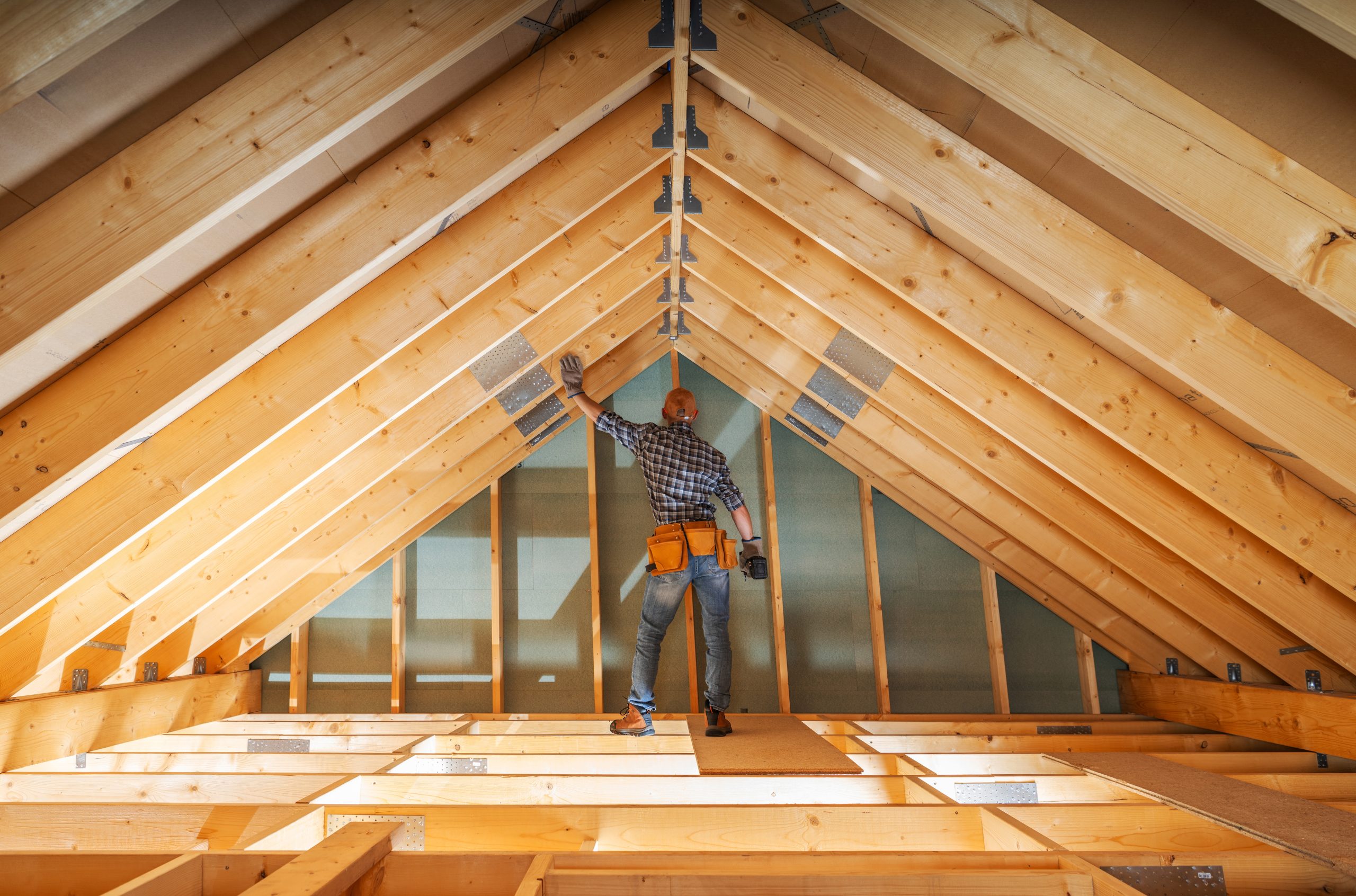
Balanced attic ventilation requires equal intake area at the soffits and exhaust area at or near the ridge. The standard requirement is 1 square foot of net free ventilation area per 150 square feet of attic floor space, split evenly between intake and exhaust. Ridge vents run continuously along the peak of the roof and provide passive exhaust when soffit vents supply intake air from below. Installing ridge ventilation without confirming adequate soffit intake creates negative pressure, the system draws conditioned air from the living space instead of exhausting attic heat, making both the energy and ice dam problem worse.
In summer, trapped heat in an under-ventilated attic can reach 150°F or more, baking shingles from below and brittling the asphalt, a 30-year shingle on a poorly ventilated roof commonly fails in 15. In winter, heat escaping from the living space into an unventilated attic is the primary driver of ice dam formation: the warm deck melts snow above, meltwater runs to the cold eaves, refreezes, builds a dam, and backs water under the shingles. Both failure modes are preventable. Both are addressed during our ventilation assessment at the time of replacement.
Storm damage requires prompt action. Every hour that a breach sits open after a wind event, a hail strike, or a fallen tree allows water to work deeper into insulation, framing, and ceiling assemblies below. We respond to storm damage calls with the same 24-hour turnaround that applies to our estimate process, assess, document, and protect the home first.
After a storm, check your attic for active water intrusion, wet insulation, staining on rafters, or dripping are signs of a breach. Do not attempt to inspect or walk your roof yourself. Contact us for a professional assessment. If water is actively entering the home, we install an emergency tarp to prevent additional damage while a permanent repair is scheduled. Photograph all visible damage before any temporary work is performed, that documentation is required for insurance claims.
Homeowner’s insurance covers sudden storm damage, wind, hail, fallen trees, but typically does not cover damage from normal wear, lack of maintenance, or gradual deterioration. When you file a claim, your insurance adjuster produces a scope of damage. We review that scope and identify any items that were missed or undervalued before repairs are priced. We carry all documentation needed to support a complete and accurate claim submission.
Concerned about your roof after a recent storm? Schedule your roof inspection, we will assess, document, and advise within 24 hours.
Roofing costs depend on home size, roof pitch, material selection, number of existing layers being removed, and deck condition confirmed at tear-off. The figures below are planning benchmarks for the CNY market, your written estimate reflects your home’s actual dimensions, complexity, and selected system.
Every variable is itemized in your written estimate, no bundled figures, and no surprises when deck damage is found at tear-off.
Our experts are here to help. Contact us directly for a consultation or any specific questions about your project.
Our experts are here to help. Contact us directly for a consultation or any specific questions about your project.