Your Trusted Choice for Quality Renovation & Remodeling Since 2017

- About
OUR JOBS
ROOFING
James St., Syracuse
SIDING
James St., Syracuse
KITCHEN RENOVATION
James St., Syracuse
BATHROOM RENOVATION
James St., Syracuse
Your Trusted Choice for Quality Renovation & Remodeling Since 2017
James St., Syracuse
James St., Syracuse
James St., Syracuse
James St., Syracuse

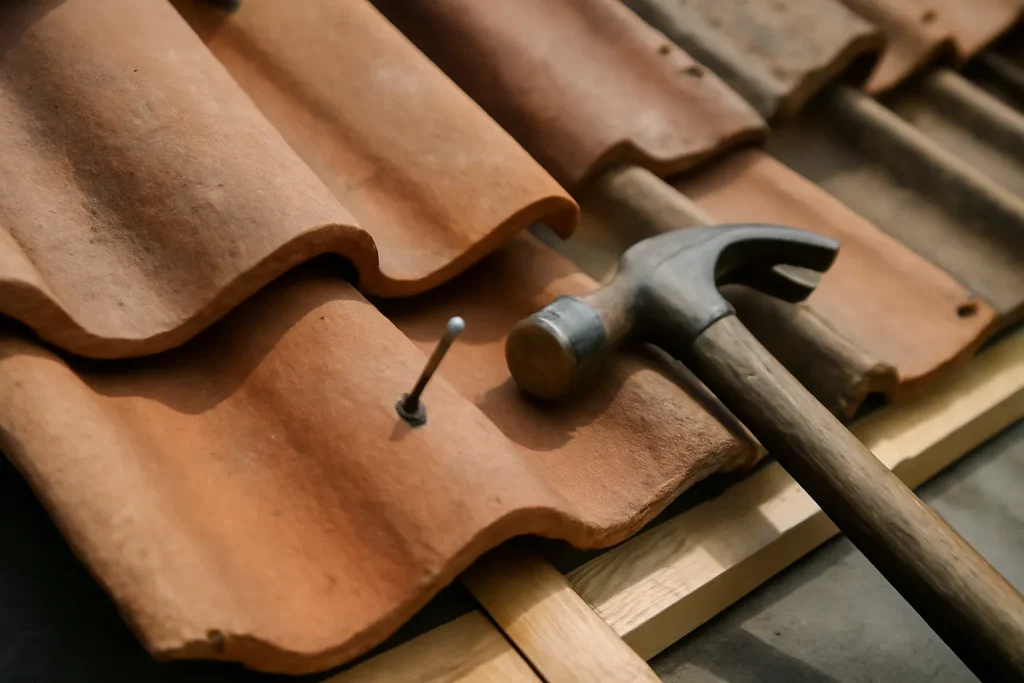
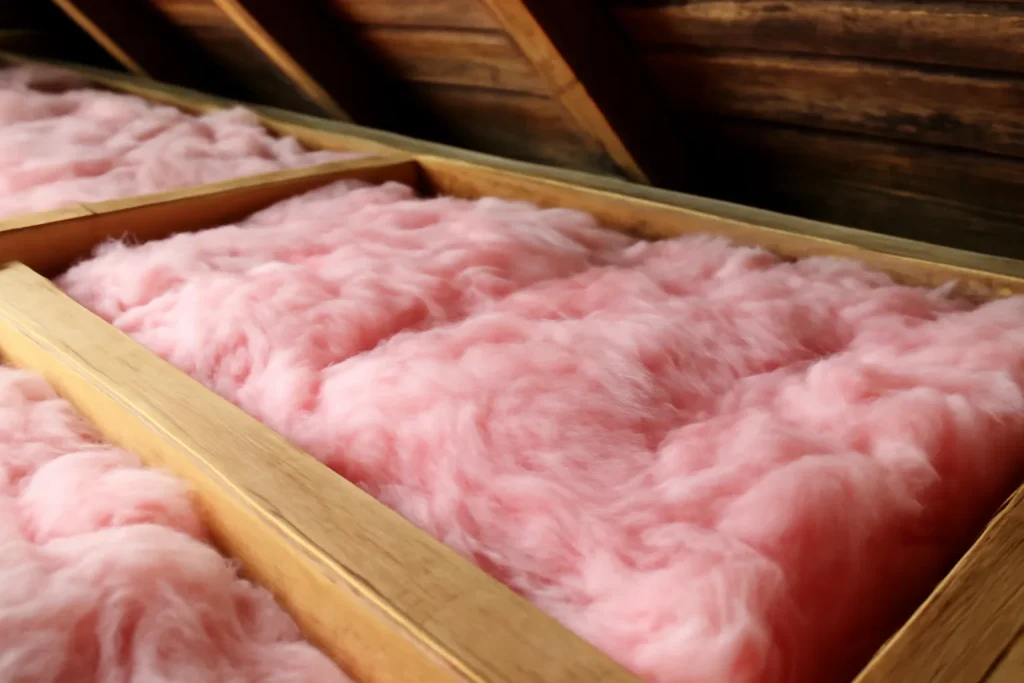
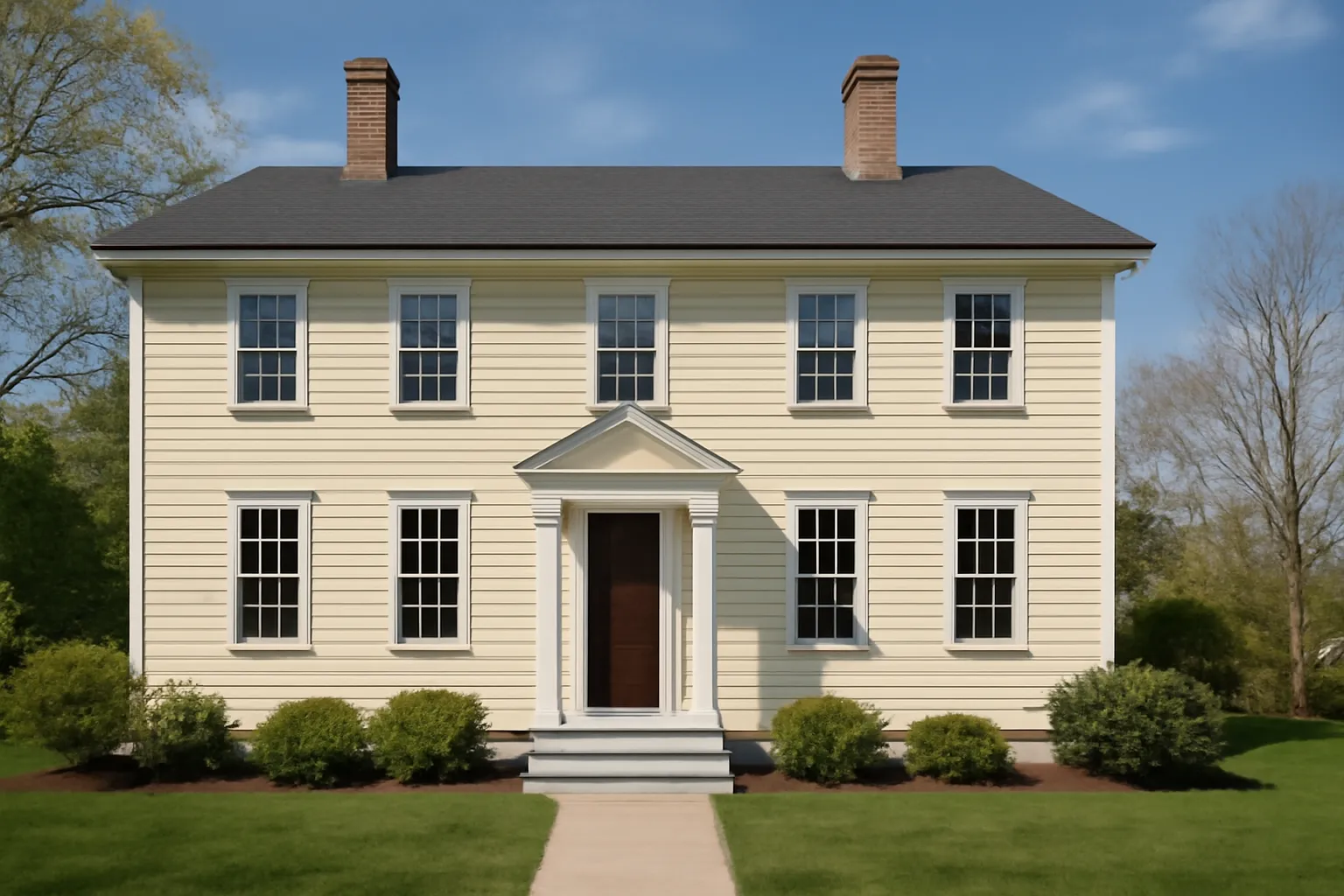
Old homes often have little or no roof insulation, but you cannot always thicken the assembly without altering the eave lines. We work within the existing geometry, dense-packing or adding rigid insulation where the structure allows and improving the attic plane where the roof itself cannot change. The goal is a real R-value gain that respects the original overhangs, so the house is warmer without looking renovated.
On a historic roof, the homeowner should not be able to tell I was there from the street, only from the heating bill and the dry attic. Keep the profile, hide the modern work underneath. That is the whole craft of roofing an old house.
– Travis O’Connell Byrne, Exterior and Roofing Specialist
Historic roofs come with historic chimneys, and a reroof is the moment to address whether the masonry needs attention or a chimney liner code issue lurks inside, since the flashing ties them together. We sequence the roof replacement with the chimney and flashing work so the whole top of the house is sealed in one project, the same preservation-minded approach an owner would bring to a historic bath tile refinish inside.
SAP Construction has been roofing historic homes across Skaneateles and the Finger Lakes suburbs since 2017. Schedule a consultation and your project manager will preserve the profile and plan the upgrade, then deliver a transparent estimate within 24 hours.
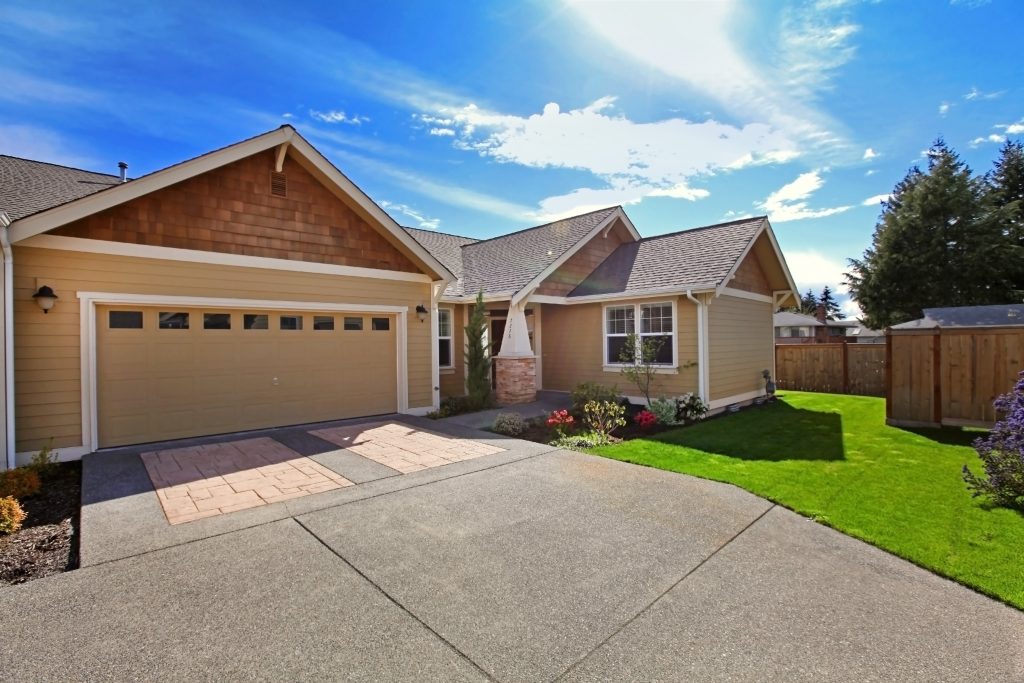
Sometimes you do not need a full second-story addition or a rear extension. You need 100 square feet in exactly one spot: behind the kitchen for an eat-in nook, off the side of the family room for a sunroom, or extending the master bedroom to create a real walk-in closet. That is what a bump-out is. It is the smallest meaningful addition you can build, and on the right East Syracuse postwar ranch it solves the layout pain point without the cost or disruption of a full first floor master addition.
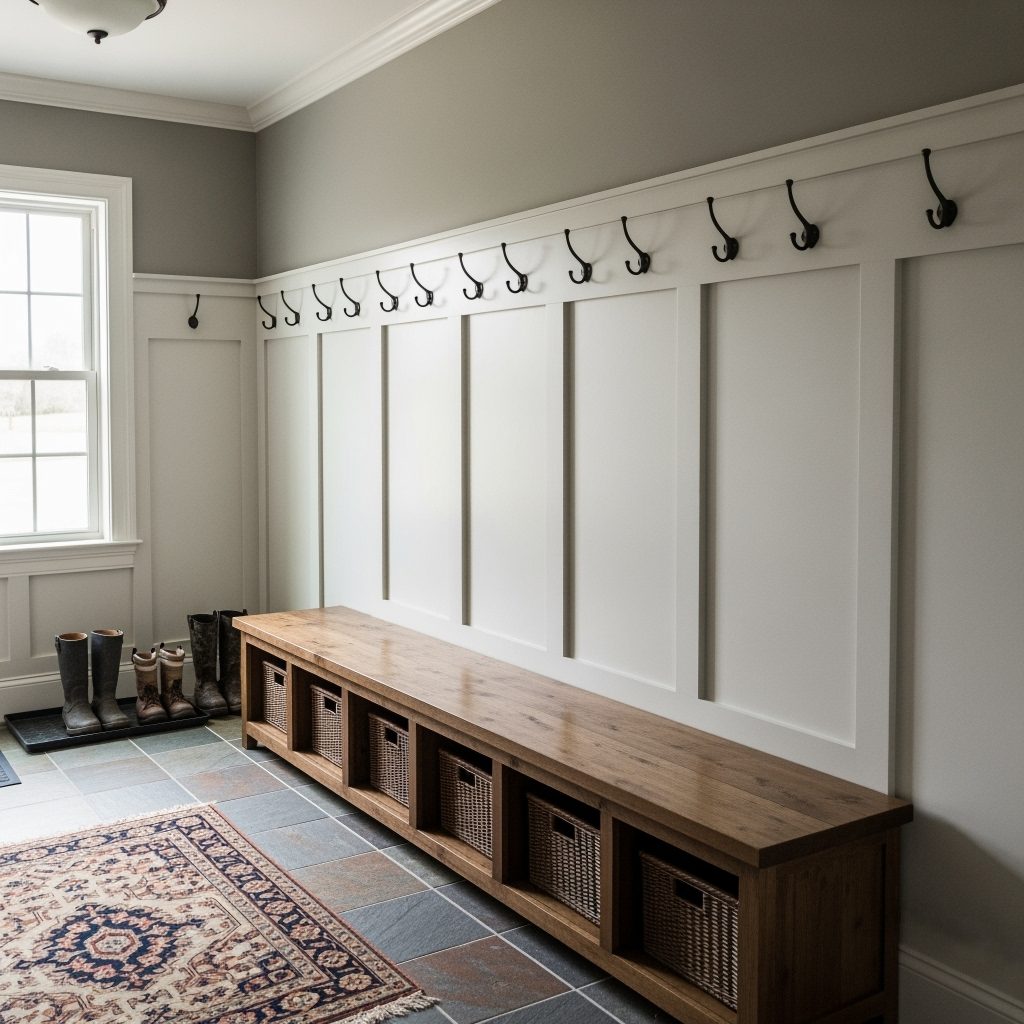
Five months a year, the back door of a Mattydale home is the most punished room in the house. Boots tracking salt, coats dripping with melting snow, gloves piled on the kitchen counter, and a square of slush growing on the floor between the door and the cabinets. A properly built mudroom intercepts every bit of that weather load before it reaches the rest of the home. In the lake-effect snow belt that runs from Mattydale through Cicero and into Clay, a mudroom is not a luxury upgrade. It is a weather-defense system that protects your floors, your finishes, your air quality, and your sanity.
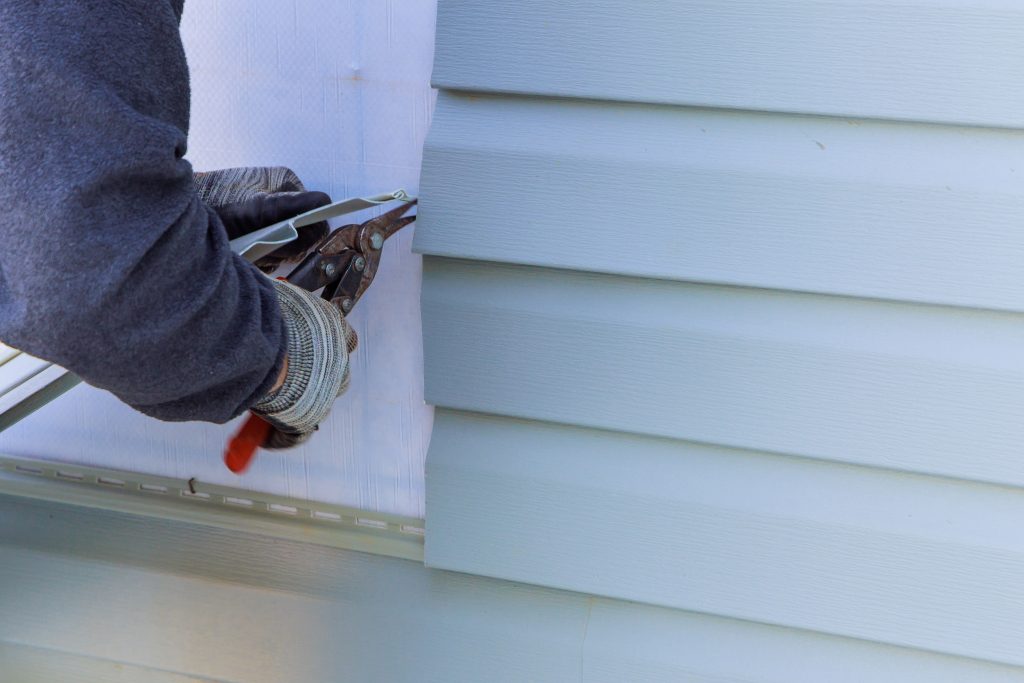
Vinyl siding is good at one accidental thing: hiding the rot underneath it. On a Pompey home, water that gets behind old vinyl through a bad flashing or a failed seal has nowhere to dry, and it quietly feeds rot in the sheathing and framing for years while the exterior still looks fine. Finding siding rot beneath vinyl before you re-clad is the difference between a siding job and a structural surprise that blows the budget mid-project. For a disaster-prevention owner, the hidden damage is the whole story.

Most Cicero attic problems, summer heat, winter ice, and a roof that ages early, trace back to ventilation that is out of balance. Attic ventilation balancing is the simple idea that intake at the soffits and exhaust at the ridge must be matched so air actually flows up and out. When they are not balanced, the system short-circuits or stalls, and the attic turns into an oven in July and a moisture trap in January. Getting the ratio right is one of the cheapest, highest-return moves on the whole house.
Our experts are here to help. Contact us directly for a consultation or any specific questions about your project.
Our experts are here to help. Contact us directly for a consultation or any specific questions about your project.