Your Trusted Choice for Quality Renovation & Remodeling Since 2016

- About
OUR JOBS
ROOFING
James St., Syracuse
SIDING
James St., Syracuse
KITCHEN RENOVATION
James St., Syracuse
BATHROOM RENOVATION
James St., Syracuse
Your Trusted Choice for Quality Renovation & Remodeling Since 2016
James St., Syracuse
James St., Syracuse
James St., Syracuse
James St., Syracuse

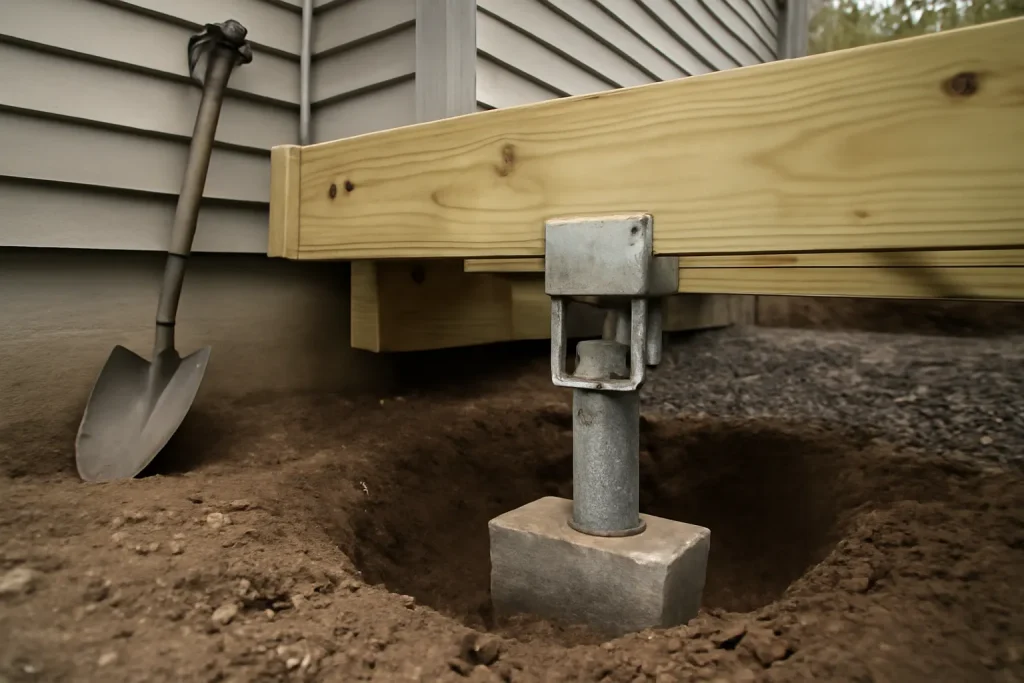
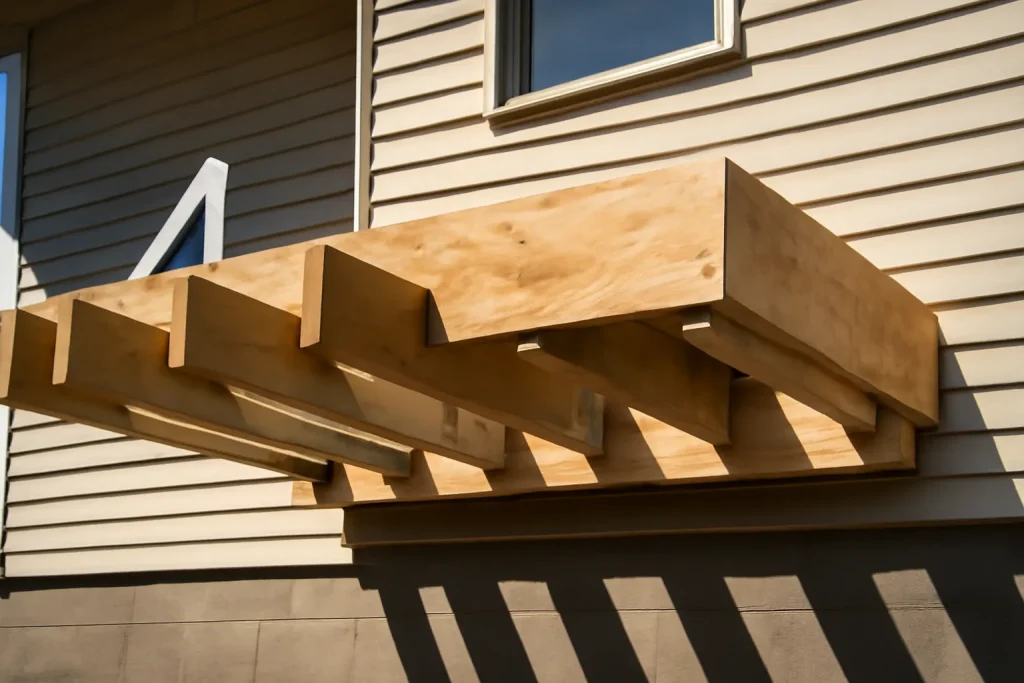
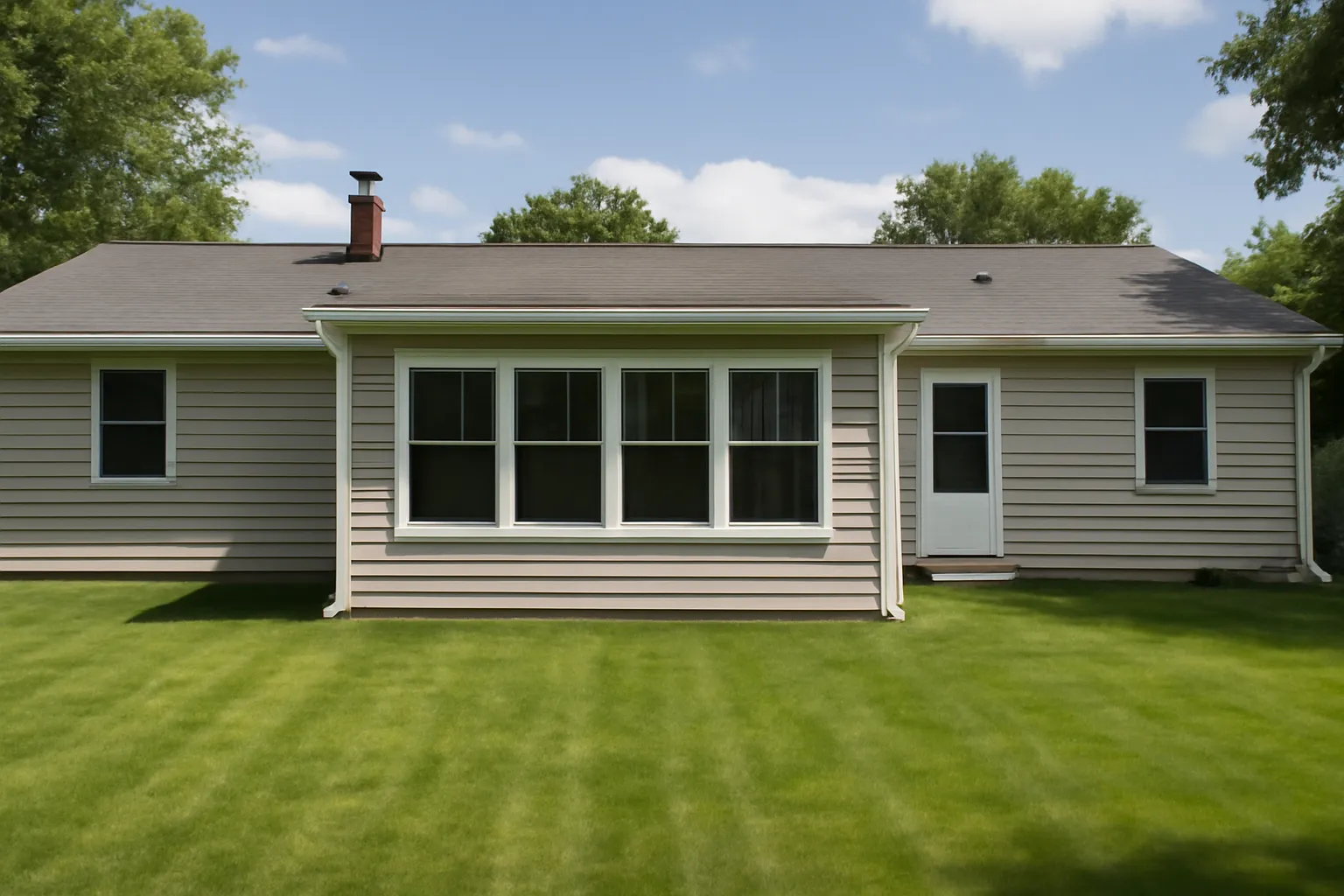
A standard 100 square foot bump-out on an East Syracuse home lands between 40,000 and 75,000 dollars depending on whether you are extending plumbing or electrical service into the new space, the exterior cladding match required, and the finish level inside. A kitchen bump-out that adds a banquette and a window seat typically runs the lower end. A master bedroom bump-out with a small dressing area and a closet system runs the higher end. The crew is on site for three to six weeks total.
Bump-outs make even more sense when they are paired with adjacent interior reconfiguration. A kitchen rear bump-out plus a thoughtful pantry mudroom combo along the new exterior wall doubles the storage you gain. A family room side bump-out plus a refreshed flooring run unifies the new footprint with the rest of the first floor. Our team will walk you through the adjacent moves that compound the value of the small footprint addition.
Bump-outs are the most under-rated remodel we do. Families who think they need to move because their kitchen is too small often need 70 extra square feet in exactly one corner. We measure carefully, plan around what the foundation can absorb, and deliver a space that feels like it was always supposed to be there.
– Elijah Mercer Boone, Lead Project Manager
Onondaga County treats bump-outs as additions for permit purposes, which means stamped drawings, a foundation inspection, framing inspection, and a final. Our project manager handles all of that. SAP Construction has been doing small-footprint additions across East Syracuse and the surrounding metro since 2016, and we have the permit process down to a predictable cadence.
Schedule a consultation and our team will measure your candidate wall, confirm what the existing foundation can absorb, and deliver a transparent estimate within 24 hours of the visit. Most families decide based on that single conversation whether to bump out, build up, or stay put.
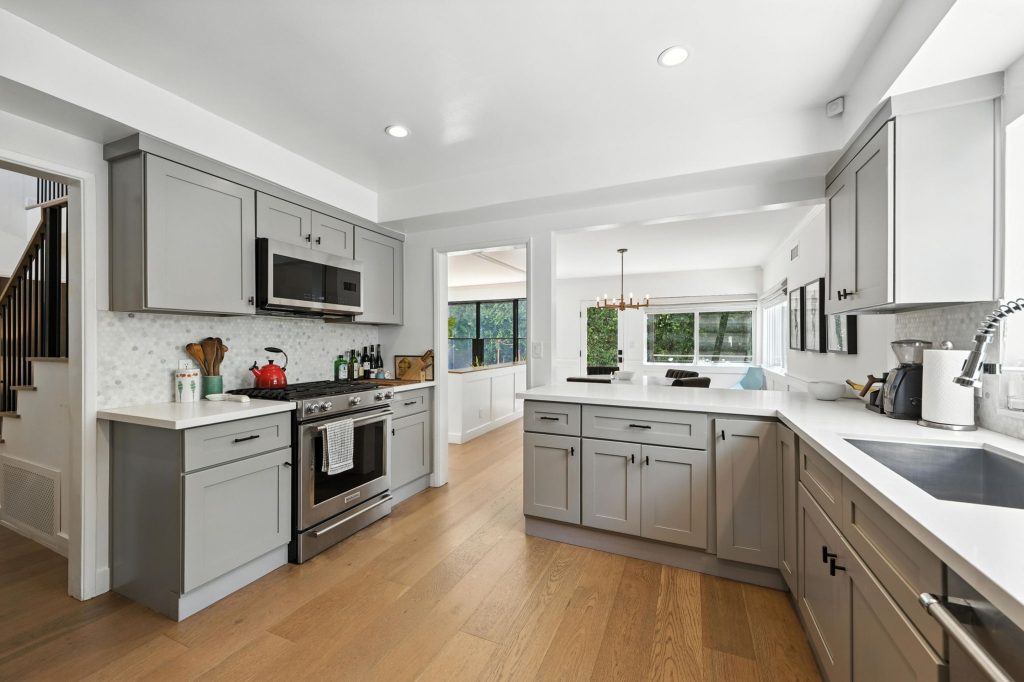
Cabinetry is the single largest line in most Fayetteville kitchen budgets, and the choice between custom Shaker and pre-built boxes shapes the whole project. The lifestyle upgrader wants the look and the fit; the question is what each path actually costs once lead time, fit, and longevity are in the math. An honest shaker cabinetry cost comparison is not custom-versus-cheap. It is two different trade-offs in money and time, and the right call depends on your layout and your timeline.
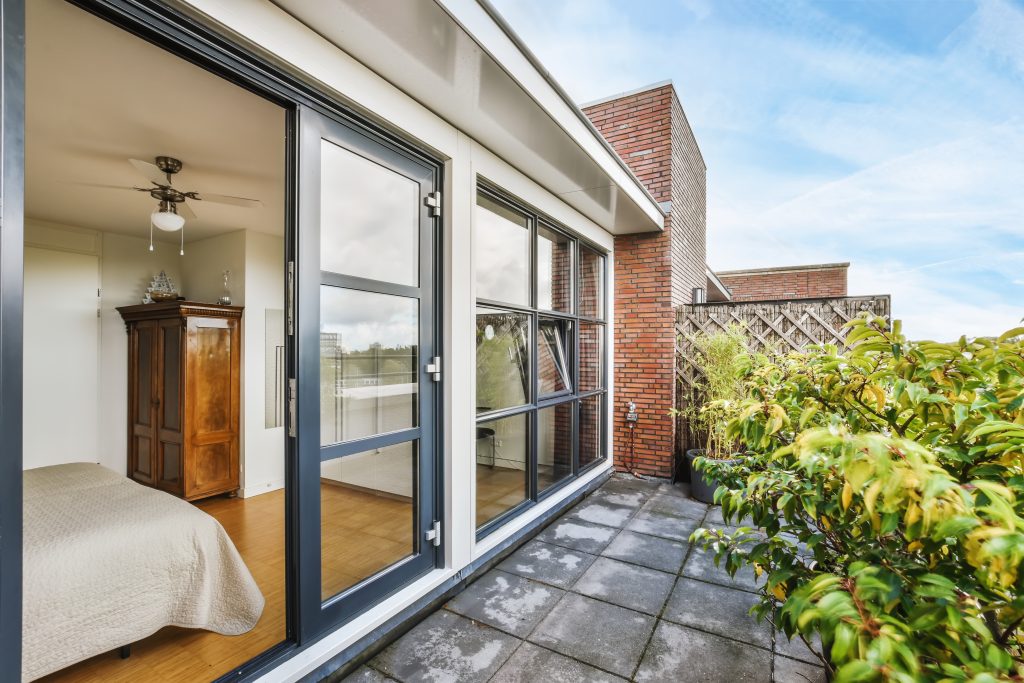
An accessory dwelling unit only makes sense as an investment if the rent supports the build cost in your specific submarket, and Central New York is not one market. An ADU in Auburn's Historic District does not rent for what the same unit commands closer to the university corridor, and the build cost barely moves. Running the adu rental roi cny math by submarket, not by a statewide average, is what separates a cash-flowing unit from a vanity project.
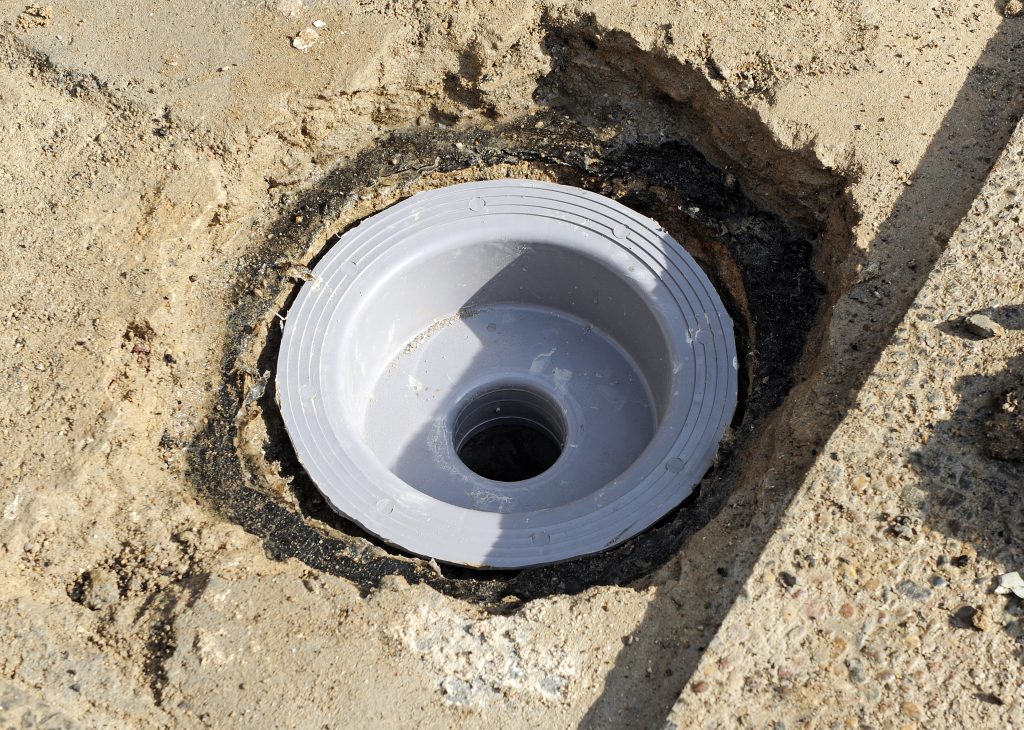
When a Lysander family finishes the basement for a growing household, the water question comes first, and the answer is usually a French drain. The hard part is choosing interior or exterior, because the wrong pick either wastes money or fails to dry the wall. The decision is not about preference. It is about where the water is coming from and how torn up you are willing to let the yard and the slab get. A clear french drain interior exterior comparison starts with the source, not the catalog.
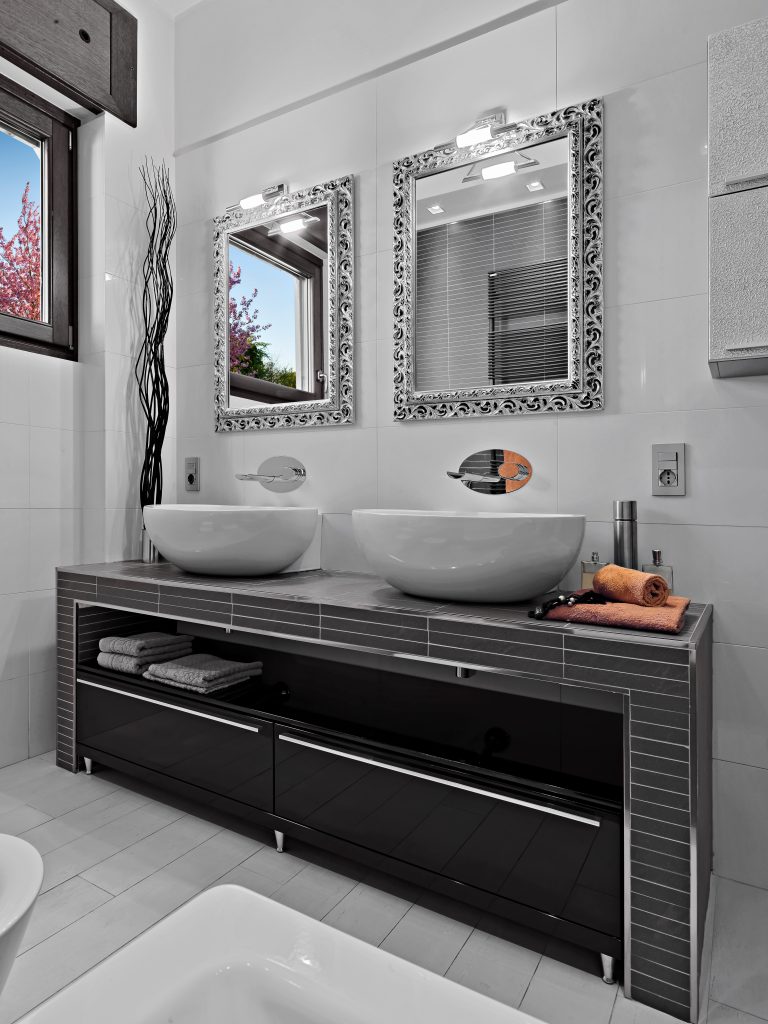
A dual vanity is the most requested feature in an East Syracuse master bath, and the one most often botched by squeezing two sinks onto a wall that cannot support the workflow. The lifestyle upgrader wants two people getting ready at the same time without elbowing each other. That is a layout and plumbing problem first, a cabinetry problem second. Get the clearances and the rough-in right and the room works; get them wrong and you have two sinks that still cause a traffic jam.
Our experts are here to help. Contact us directly for a consultation or any specific questions about your project.
Our experts are here to help. Contact us directly for a consultation or any specific questions about your project.