Your Trusted Choice for Quality Renovation & Remodeling Since 2016

- About
OUR JOBS
ROOFING
James St., Syracuse
SIDING
James St., Syracuse
KITCHEN RENOVATION
James St., Syracuse
BATHROOM RENOVATION
James St., Syracuse
Your Trusted Choice for Quality Renovation & Remodeling Since 2016
James St., Syracuse
James St., Syracuse
James St., Syracuse
James St., Syracuse

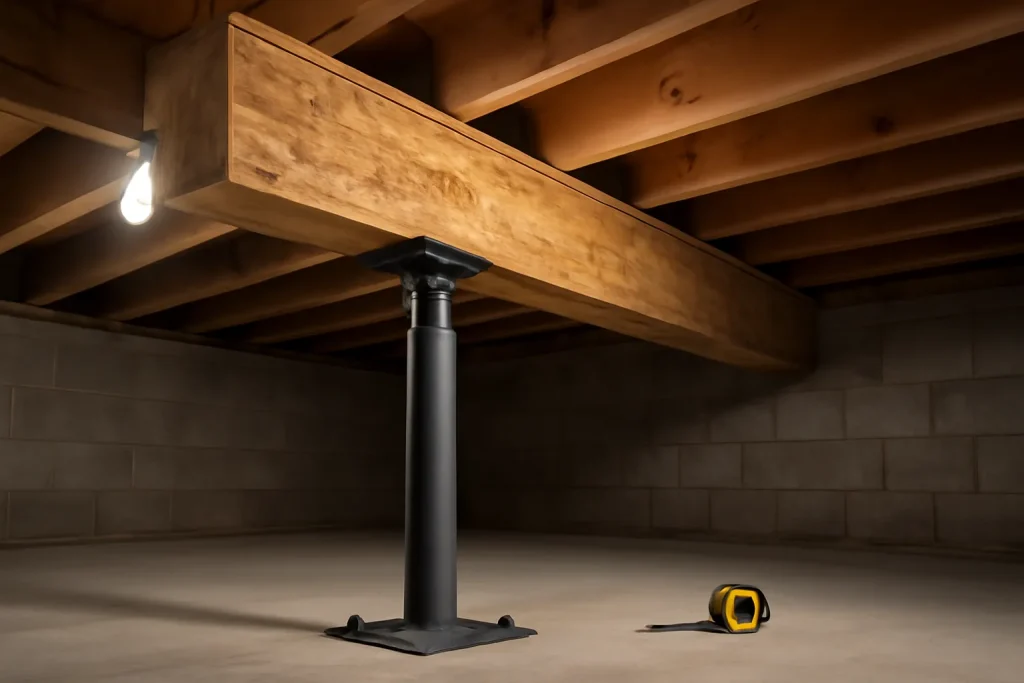
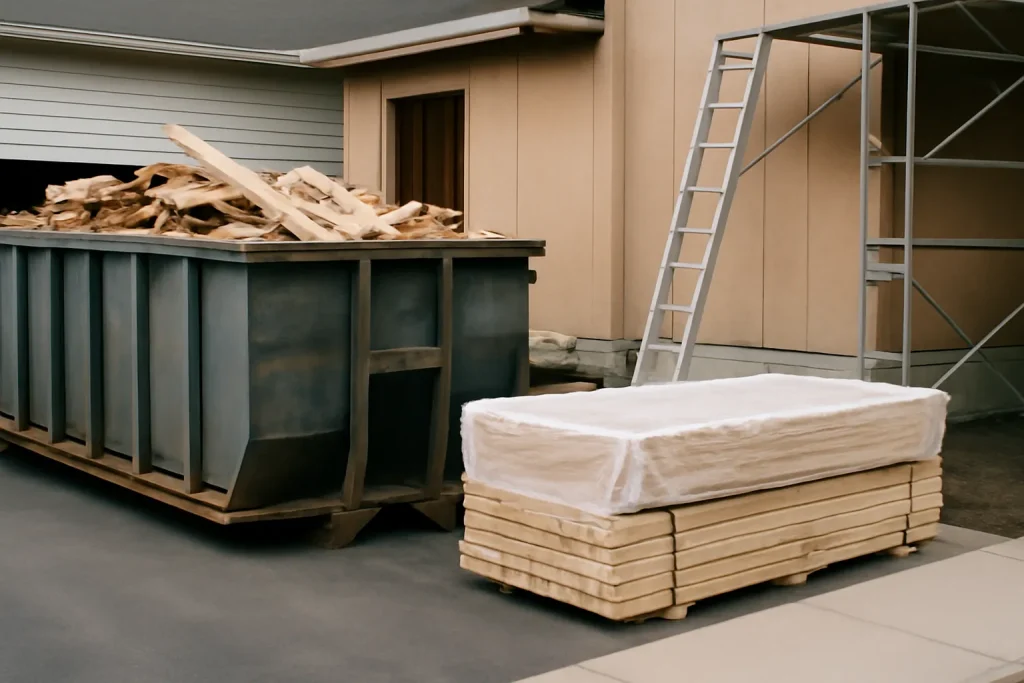
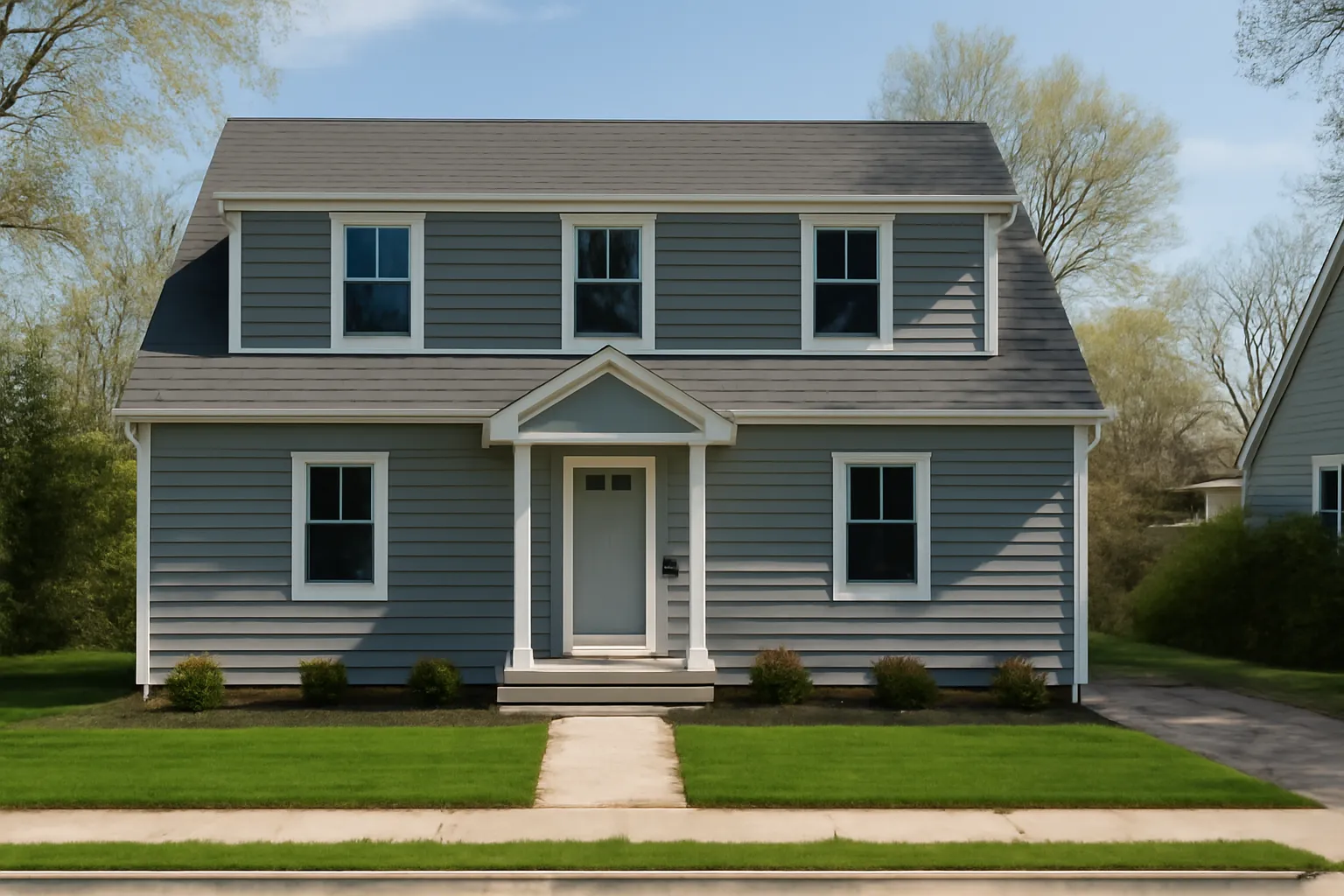
Hard costs are framing, drywall, mechanicals, finishes. They are what every contractor quotes you. Soft costs are permits, structural engineering, temporary housing if you cannot stay onsite, dumpster fees, utility relocations, and the inevitable change orders when the demo crew finds knob-and-tube. Soft costs on a CNY second-story addition typically run 12 to 18 percent of the hard-cost number, and they are the line item that turns budget pacing into a fire drill. The home addition soft costs conversation should happen at the estimate stage, not in month three.
We sit down with every second-story client before contracts are signed and walk them line by line through what is in the hard quote and what will hit them as soft costs. Families do not get upset about real numbers. They get upset about surprises. Our job as operations is to make sure there are no surprises that we could have warned them about in week one.
– Derek Halvorsen, Operations Manager
In Westvale, the cost per square foot of a quality second-story addition is roughly 250 to 360 dollars. The cost per square foot of an equivalent move-up purchase in your same school district plus realtor commissions, closing costs, and moving expenses often lands higher once you factor in the home you love versus the home you settle for. SAP Construction has run this comparison for dozens of CNY families since 2016, and the answer depends heavily on your specific block, but the addition usually wins.
Second-Story Addition Cost Ranges (CNY)
| Scope | Typical Cost | Timeline |
|---|---|---|
| Partial second story (over part of footprint) | 90,000 to 160,000 | 8 to 12 weeks |
| Full second story (whole footprint) | 160,000 to 300,000 | 12 to 20 weeks |
| Second story plus first-floor reconfigure | 250,000 to 400,000 | 16 to 26 weeks |
Our project manager will walk your home, measure the existing footprint, and put together a transparent estimate within 24 hours of the visit. Schedule a consultation and we will get on your calendar within the same week. The estimate includes both hard and soft cost projections so you can plan honestly from day one.
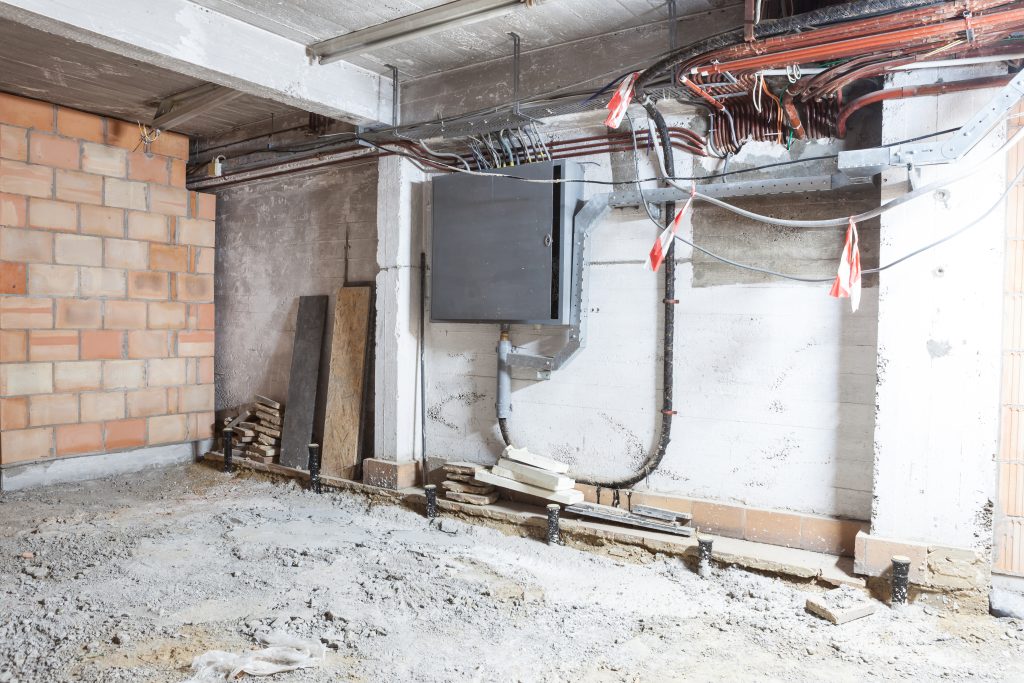
If your Cicero basement has active moisture problems and you want to finish the space, the worst possible thing you can do is start with cosmetic work. Drywall over a damp wall and the wall starts growing mold within months. The right protocol to finish basement with moisture is the opposite of intuition: stop, diagnose the source, fix it, verify it is fixed, then build. Skipping any of those steps is how Cicero basements turn from refresh projects into remediation disasters.
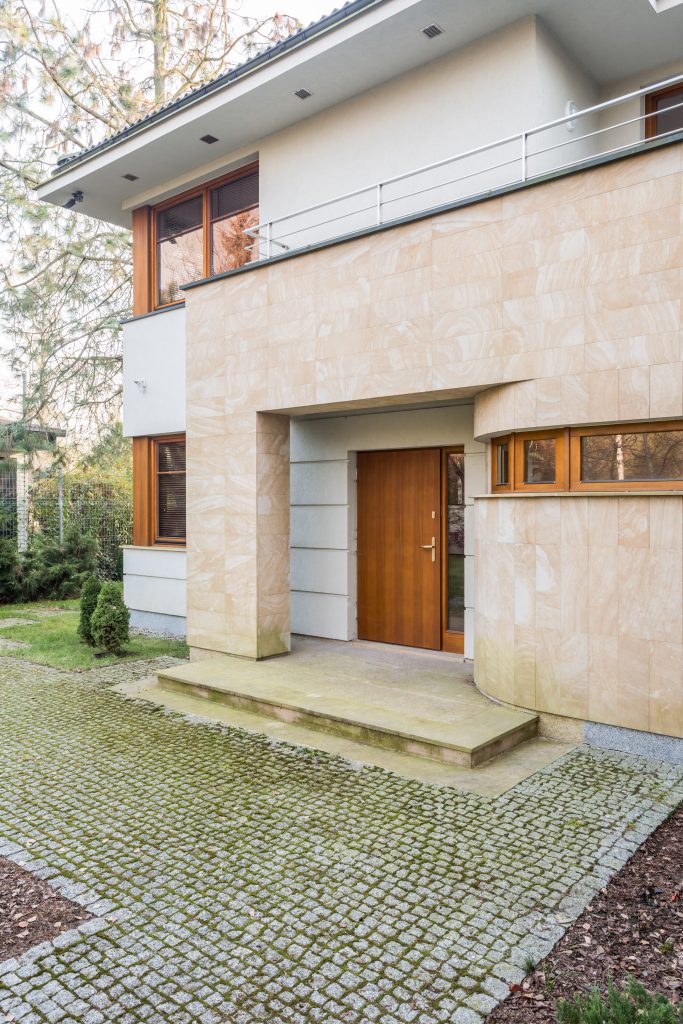
On the Lyndon Road side of DeWitt the lots are deep enough that an attached in-law suite pencils out as a rental, but the permit is where most investor projects stall. An attached suite is not a spare bedroom with a hot plate. Onondaga County reads it as a second dwelling unit the moment it has its own kitchen and bathroom, and that classification triggers a different review track. Knowing which track you are on before you draw the addition saves you a rejected application and a lost building season.
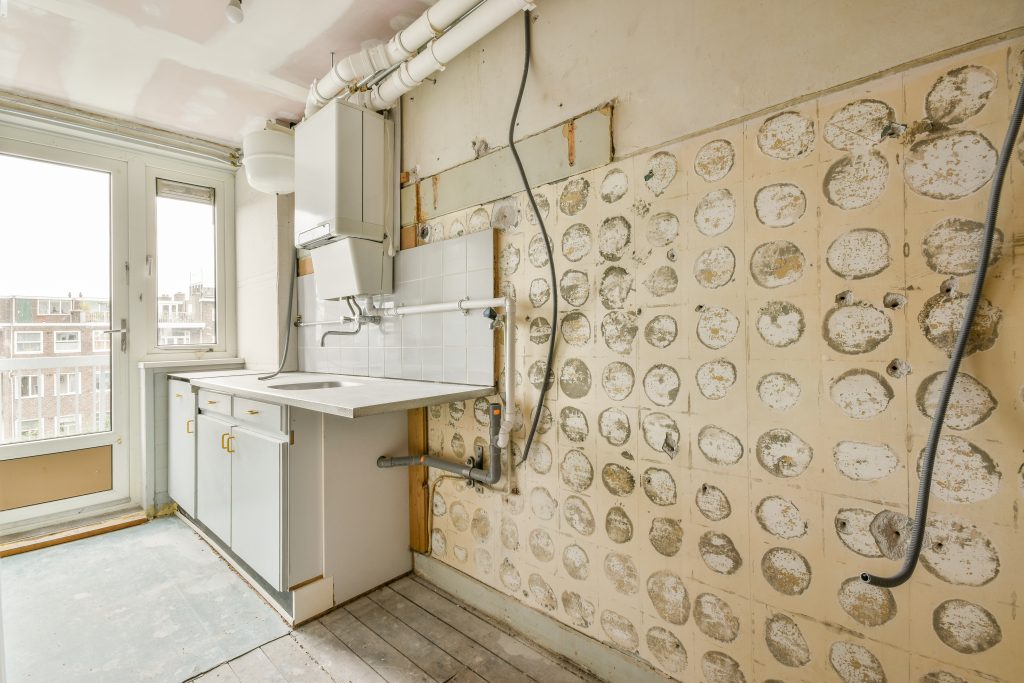
Families in Manlius's Highbridge Road neighborhood ask the same question every spring: how long does it actually take to pull the wall between the kitchen and the dining room? The construction is two to three weeks. The wall removal permit timeline is what most homeowners do not know to plan for. Get the permit path right and the project flows. Misjudge it and the contractor sits idle while paperwork wends through review.
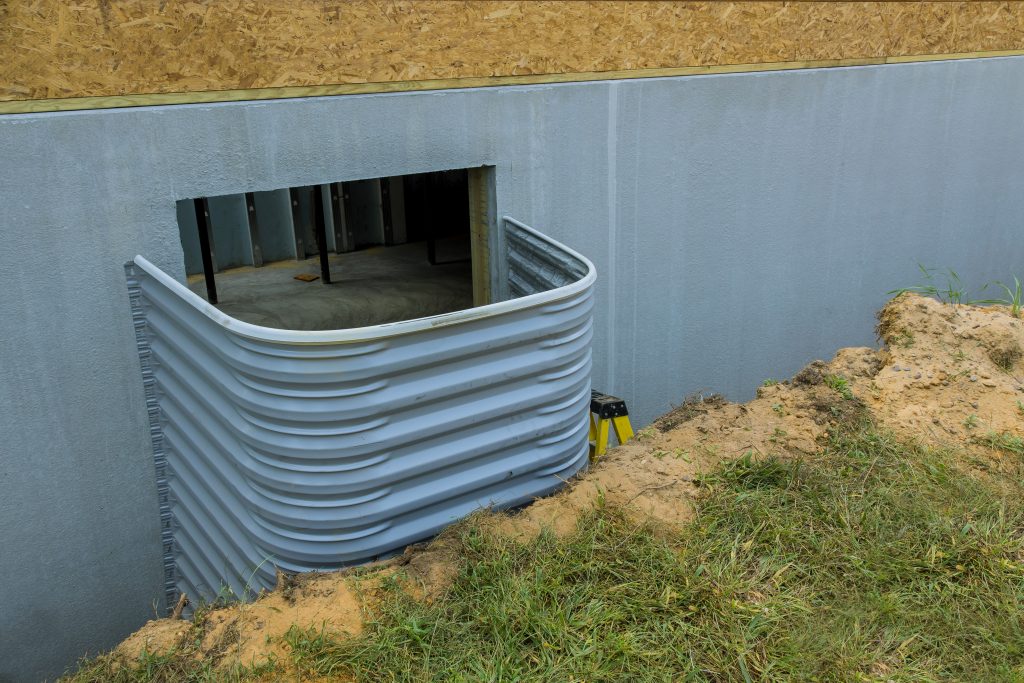
Westvale's solid postwar foundations are exactly what makes egress window cuts both feasible and meaningful work. For aging-in-place homeowners thinking about adding a legal basement bedroom (for a visiting adult child, an in-home caregiver, or a multi-generational living arrangement), the egress window cut is the single most important structural decision. Done right, it gives you a code-compliant bedroom that holds appraised value. Done wrong, it weakens the foundation.
Our experts are here to help. Contact us directly for a consultation or any specific questions about your project.
Our experts are here to help. Contact us directly for a consultation or any specific questions about your project.