Your Trusted Choice for Quality Renovation & Remodeling Since 2017

- About
OUR JOBS
ROOFING
James St., Syracuse
SIDING
James St., Syracuse
KITCHEN RENOVATION
James St., Syracuse
BATHROOM RENOVATION
James St., Syracuse
Your Trusted Choice for Quality Renovation & Remodeling Since 2017
James St., Syracuse
James St., Syracuse
James St., Syracuse
James St., Syracuse

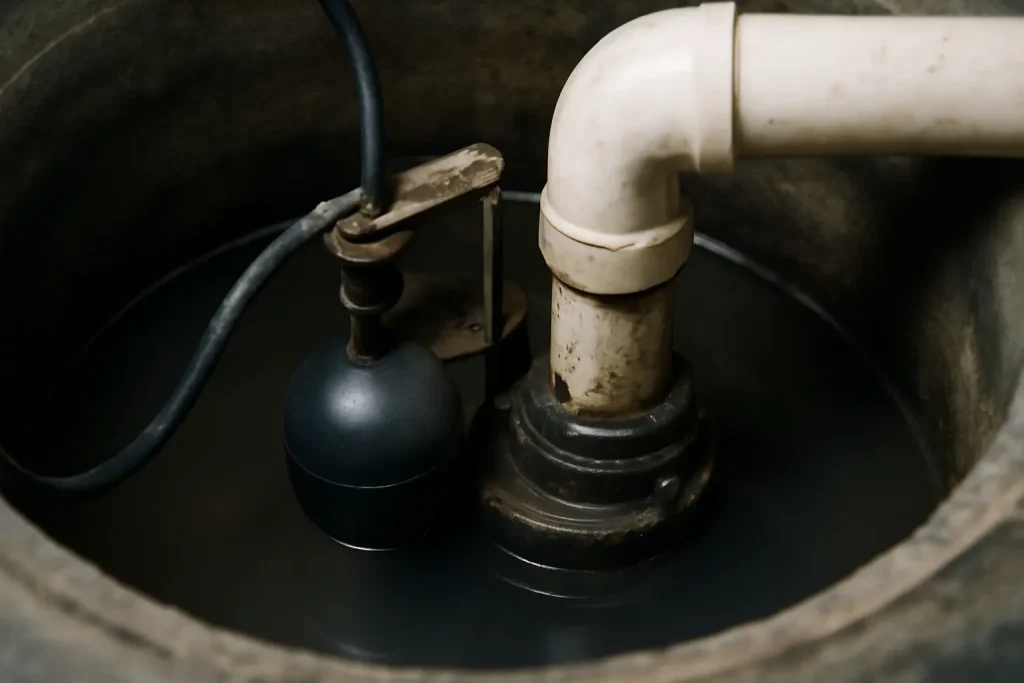
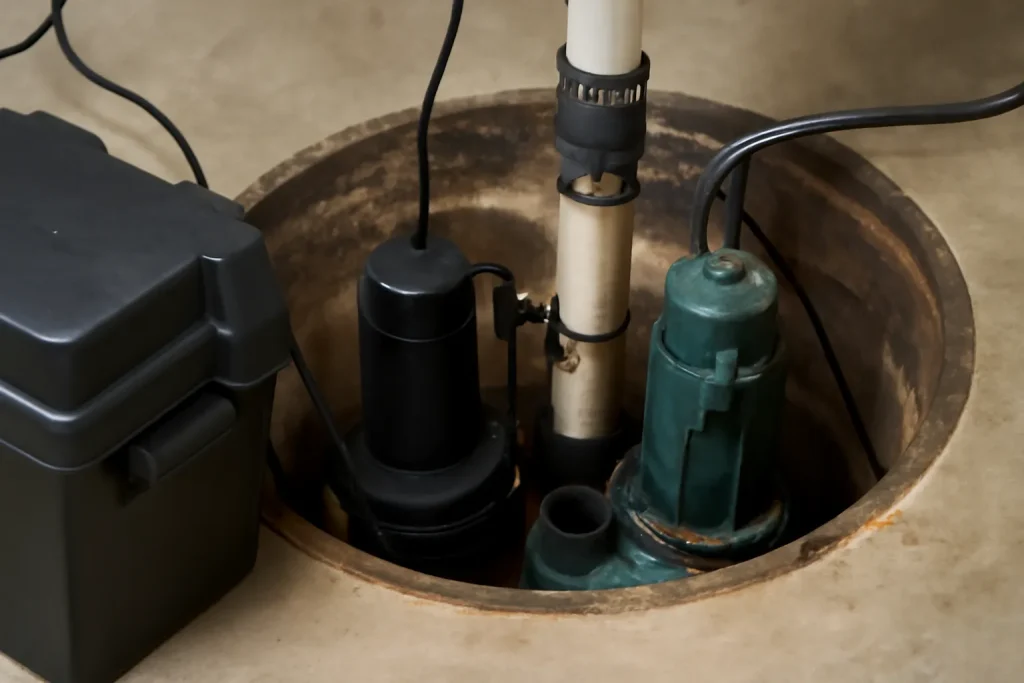
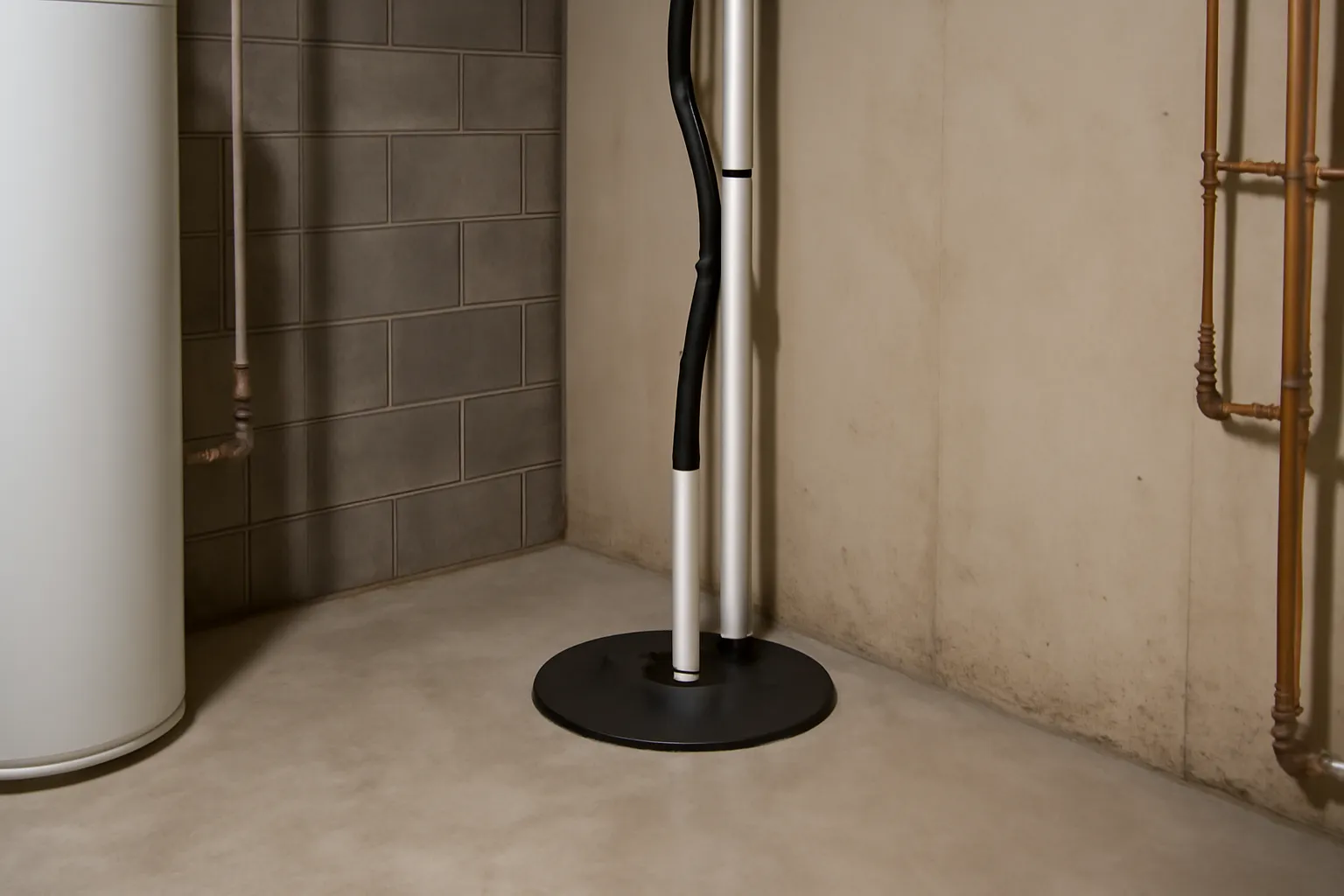
If the pump is receiving power but not running, listen for a hum (motor seized) or silence (motor or capacitor dead). Look at the basin water level (is the float actually floating, or stuck below the water line). Smell for burnt motor smell that indicates the windings are gone. Each clue tells a different replacement story.
If the primary pump is confirmed dead, the battery backup should be running. If you do not have a battery backup, the next move is a manual bail with a wet-vacuum or a temporary submersible pump rented from a hardware store. This is the moment most North Syracuse homeowners realize a battery backup would have been the best 400 dollars they ever spent.
Sump pump failure during peak snowmelt is one of the calls I never want to get because by the time the homeowner is calling, the basement is already wet. The fix is fast on our end. The damage avoidance window is small. Battery backups and primary pump replacement on a five-year cycle are the two operational decisions that prevent the emergency call from ever happening.
– Elijah Mercer Boone, Lead Project Manager
For a typical North Syracuse basement, the right replacement is a cast-iron 1/2 HP submersible pump with a sealed-lid basin, a vertical float switch (more reliable than tethered), a primary discharge with a check valve, and a battery backup secondary pump on a separate float. Total install runs 1100 to 2400 dollars depending on basin condition and discharge routing. The setup lasts 10 to 15 years with no drama.
If your basement floods even with a working sump pump, the real fix is interior basement drainage that captures the water at the cold joint before it reaches the floor. Wet basement remediation projects that combine new perimeter drainage with new sump pump infrastructure are how we permanently solve the seasonal flooding cycle rather than just managing it pump-by-pump.
SAP Construction has been replacing and rebuilding sump systems in North Syracuse since 2017. Schedule a consultation and your project manager will inspect the basin and pump, and deliver a transparent estimate within 24 hours.
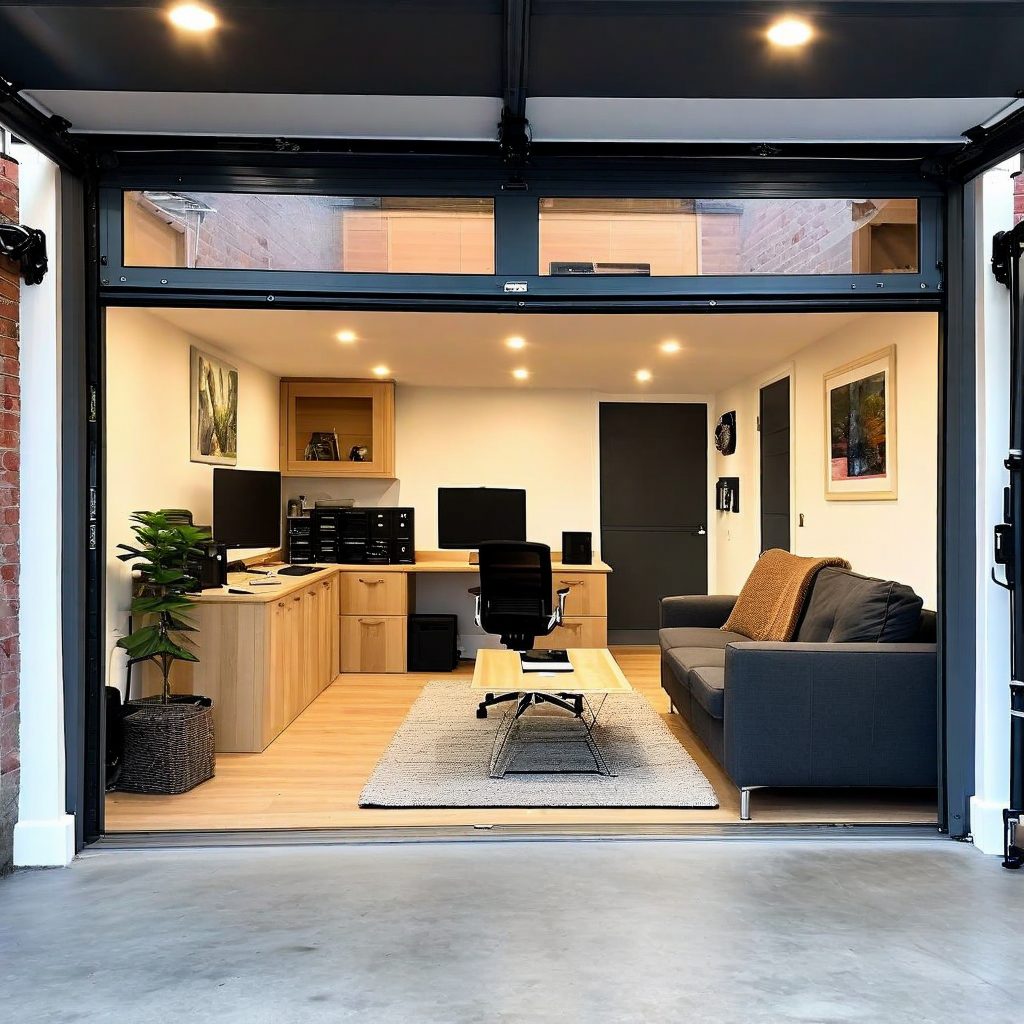
Lyncourt's mix of small urban lots and existing detached garages makes the area one of the most predictable garage-to-studio conversion markets in CNY. Investors who model the numbers correctly find that a converted detached garage studio in Lyncourt typically rents at 1100 to 1450 dollars per month, with vacancy that lags the broader rental market by a meaningful margin. The garage studio roi math is what separates the deals that close from the deals that should not.
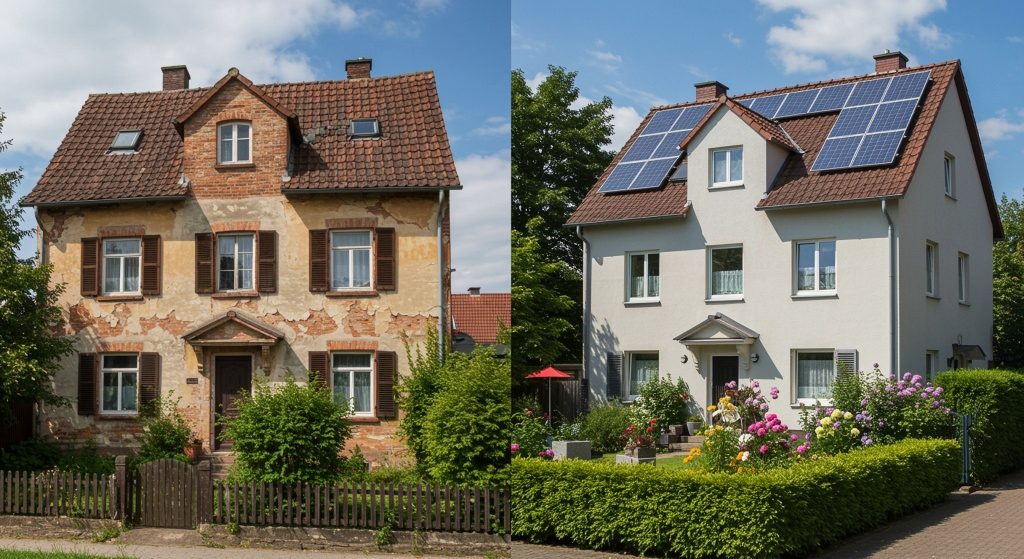
Fayetteville's older estate-grade homes sit at a price point where the gut-renovation math is fundamentally different from what you see in a 1500 square foot suburb ranch. We are talking about 3500 to 5500 square foot homes built between 1925 and 1968, with high-end finish potential, structural quirks, and the kind of mechanical systems that require coordination instead of replacement. A whole house renovation cost in Fayetteville is not a number you copy from an online calculator. It is a project-shaped answer.
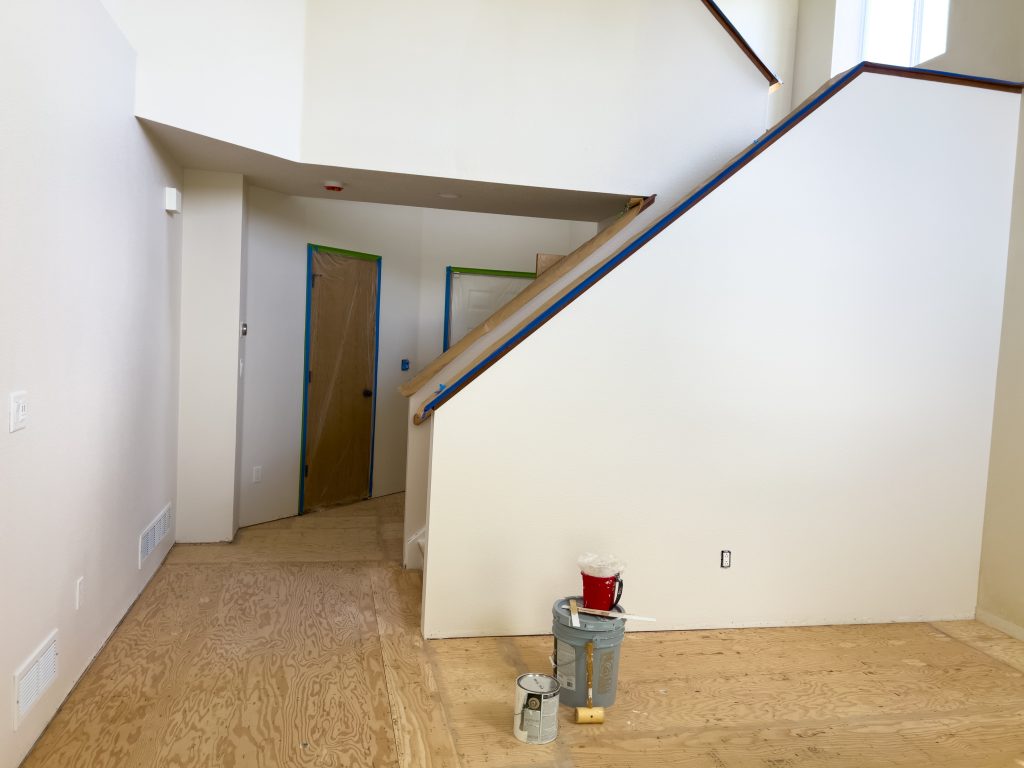
Fairmount's flat residential streets and well-kept midcentury homes attract many homeowners who plan to stay put for the long term. The home you raised your family in can be the home you grow old in, with care. The aging in place footprint conversation is not about ramps and grab bars. It is about redrawing the layout so the home functions when the stair climb gets harder, the joints get stiffer, and the time spent on the first floor becomes the majority of the day. The earlier you plan, the gentler and more elegant those changes can be.
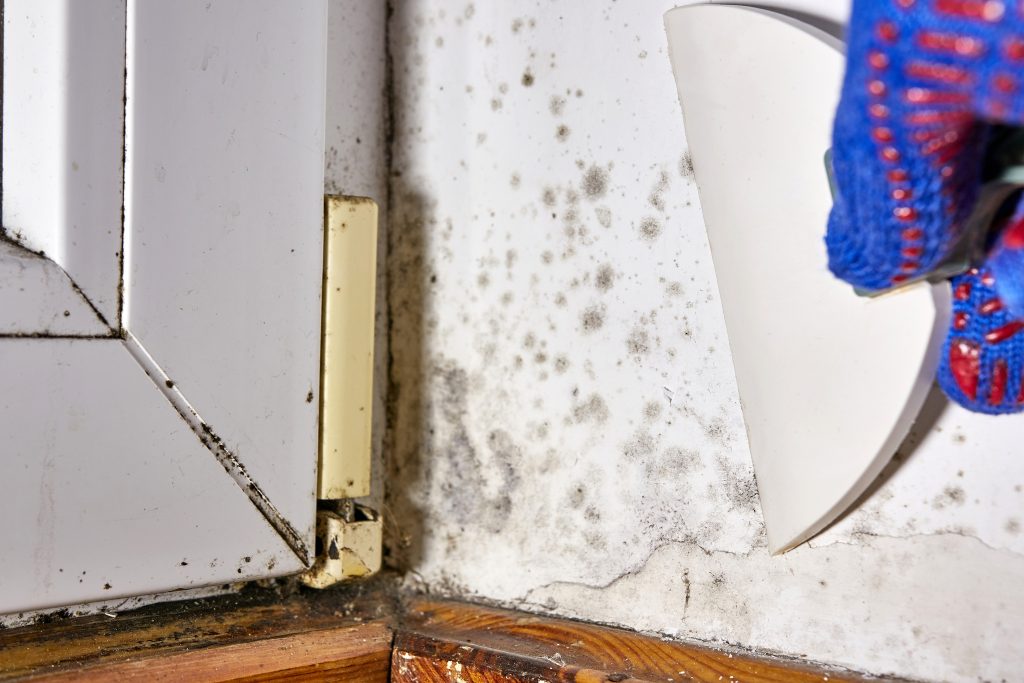
Syracuse's James Street historic homes are beautiful at the street level and frequently problematic at the basement level. Original fieldstone foundations, decades of intermittent moisture, and accumulated organic debris produce some of the most consistent mold conditions in CNY. If you are an aging-in-place homeowner planning to finish a James Street basement into livable space, the work that has to happen before any framing begins is professional basement mold remediation. The work is non-negotiable, the cost is real, and skipping it puts your health and your investment at risk.
Our experts are here to help. Contact us directly for a consultation or any specific questions about your project.
Our experts are here to help. Contact us directly for a consultation or any specific questions about your project.