Your Trusted Choice for Quality Renovation & Remodeling Since 2016

- About
OUR JOBS
ROOFING
James St., Syracuse
SIDING
James St., Syracuse
KITCHEN RENOVATION
James St., Syracuse
BATHROOM RENOVATION
James St., Syracuse
Your Trusted Choice for Quality Renovation & Remodeling Since 2016
James St., Syracuse
James St., Syracuse
James St., Syracuse
James St., Syracuse

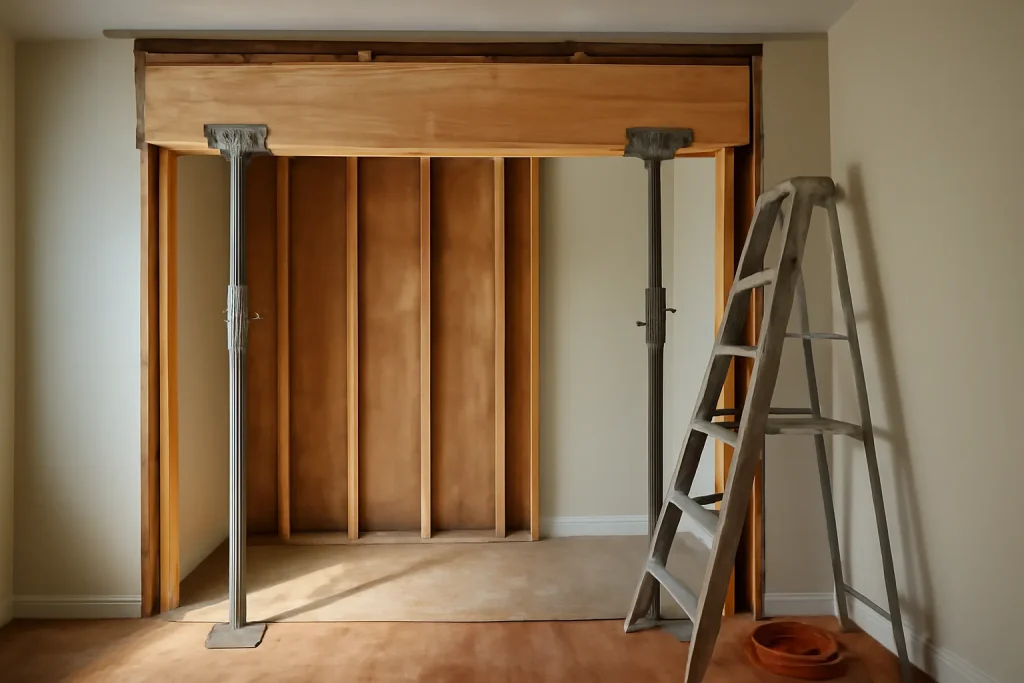
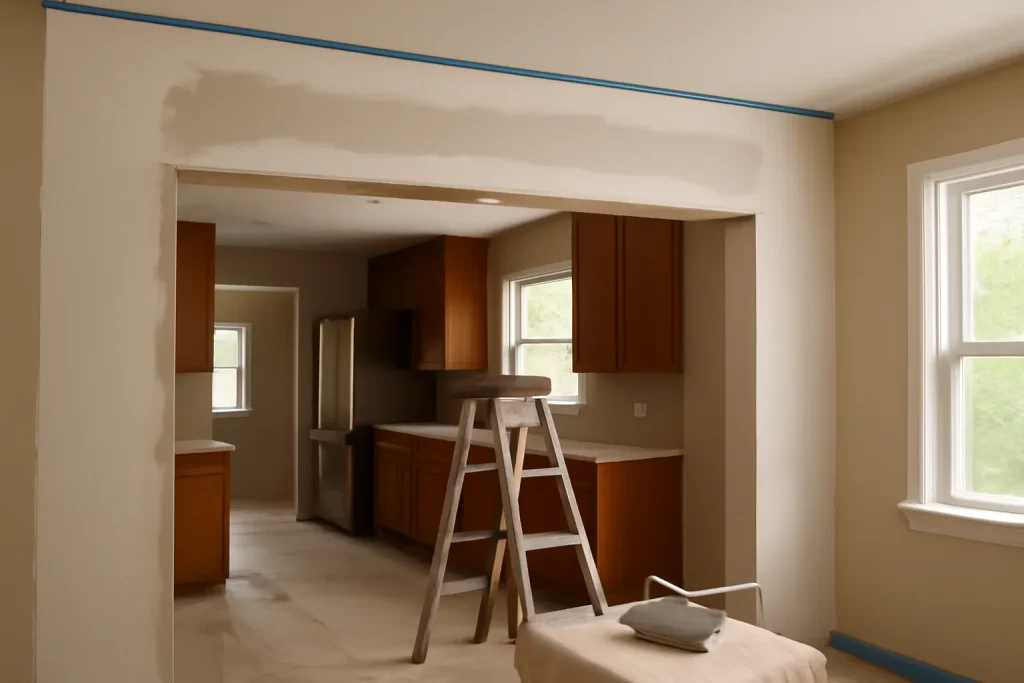
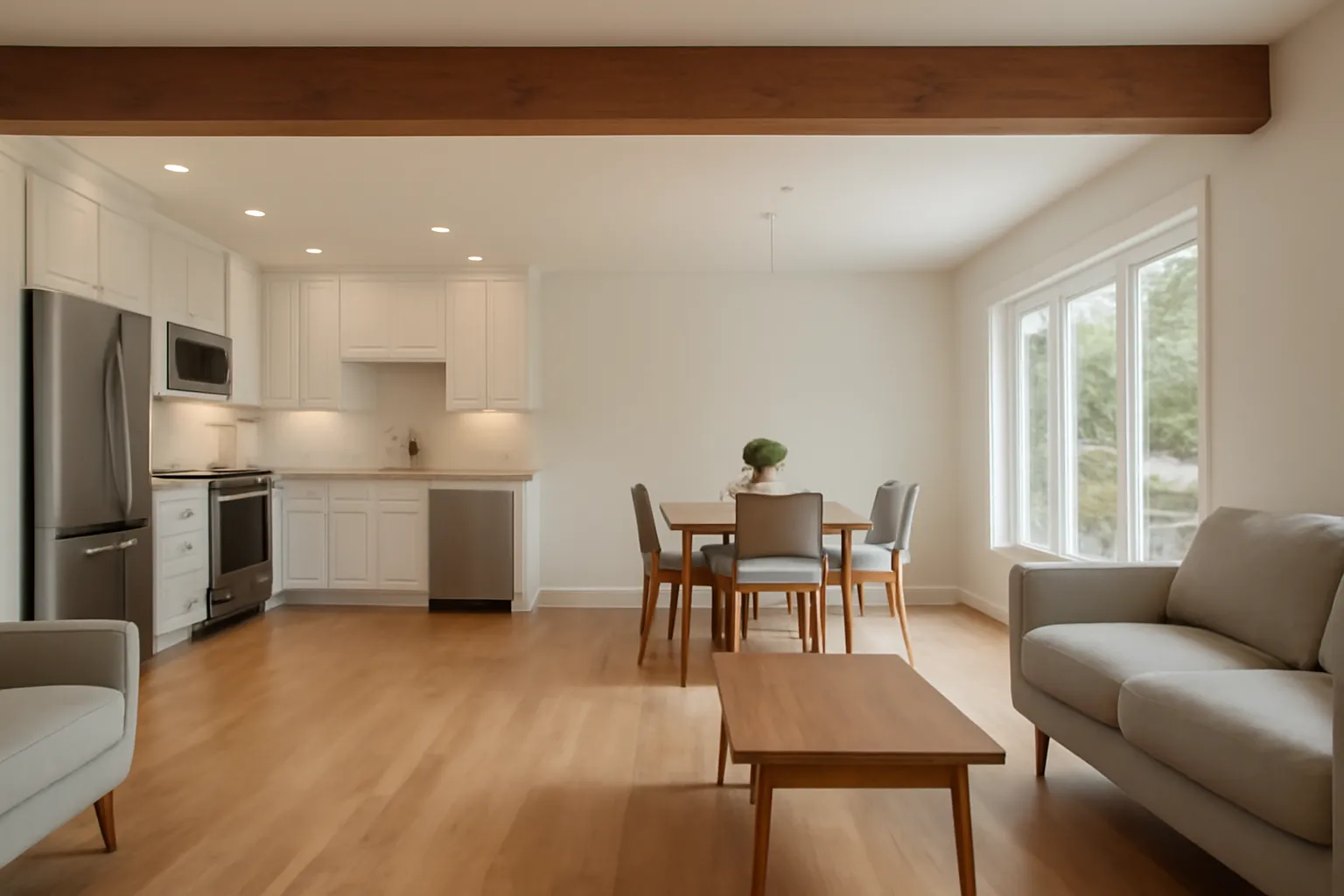
A proper home renovation that opens up a ranch floor plan starts with a structural assessment, not a sledgehammer. Our team measures spans, confirms the bearing path down to the foundation, and specs a replacement beam. The load-bearing beam sizing is where the real engineering happens, and it is the single decision that determines whether the project succeeds. From there we frame temporary support walls, install the new beam, finish the ceiling and adjacent walls, and pull permits and inspections.
We also help families weigh whether to combine the wall removal with adjacent home additions. If you are already opening the kitchen, this is often the right moment to consider a small bump-out, a rear sunroom, or a mudroom expansion since the crew is already on site and the permit scope can be combined.
On a Liverpool ranch we worked on last spring, the homeowners had three quotes from contractors who all wanted to skip the engineer to save them money. We walked them through what could go wrong, brought in our structural consultant, and ended up with a clean LVL beam install that passed inspection the first time. The structural engineer cost was a fraction of what one cracked foundation would have run them.
– Elijah Mercer Boone, Lead Project Manager
SAP Construction has been opening up CNY ranches since 2010. A typical load-bearing wall removal in a Liverpool or Mattydale home takes our crew two to three weeks once permits are issued, including beam install, drywall, and finish work. Your project manager will walk the site with you before demolition begins so there are no surprises about dust containment or daily access.
Schedule a consultation and we will respond within 24 hours with a site visit window. A free estimate follows the assessment so you know exactly what beam, what permits, and what timeline your home needs before anything is committed.
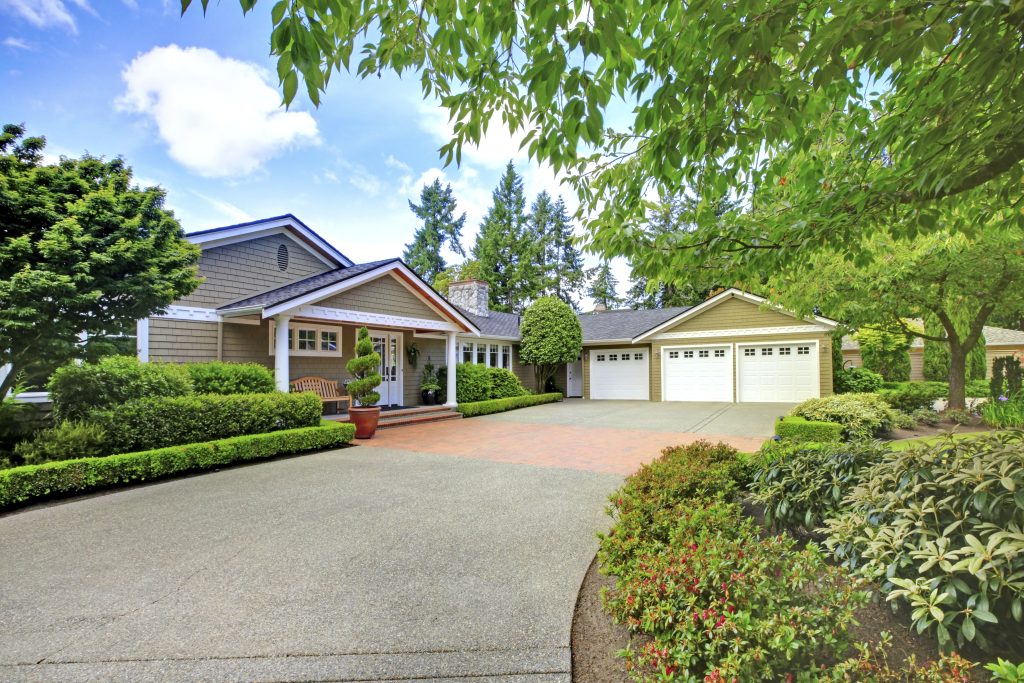
Liverpool's older lots typically include a detached garage at the rear of the property, often built to lot-line setbacks that were legal in 1955 but no longer apply for habitable construction today. Investors who buy a Liverpool property hoping to convert that detached garage into an ADU first need to understand whether the existing garage location even allows the conversion. The detached garage adu setbacks for habitable space are tighter than those for the original garage, and the math has to be done before the deal closes.
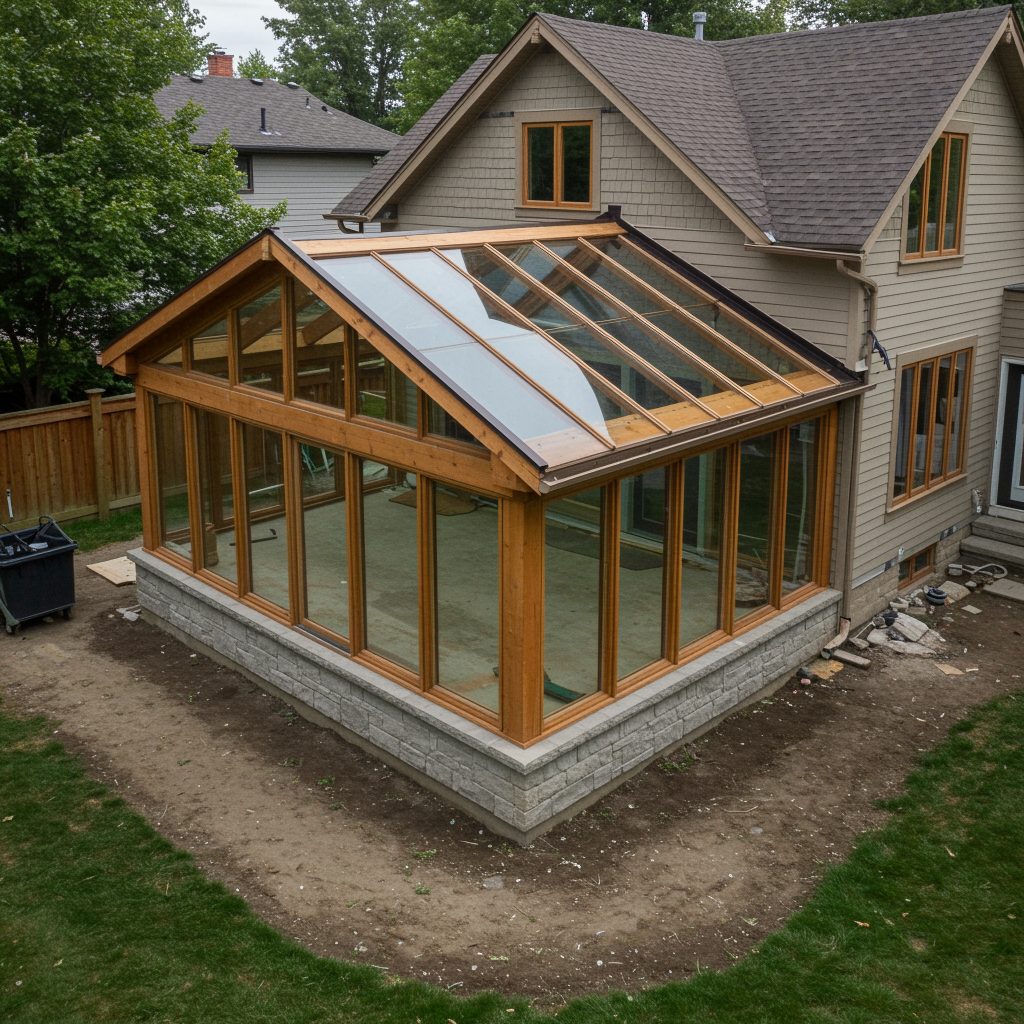
There is a tell that gives away a poorly designed sunroom. From the curb, the new roofline does not quite meet the old one. The pitch is wrong. The fascia detail is one inch off. The corner trim profile does not match. The sunroom reads as bolted on, not built in. In Geddes and the surrounding western suburbs, where lots are tight and street-facing facades matter, the difference between a sunroom that adds value and one that subtracts it usually comes down to whether the new roofline was designed to integrate with the existing structure or whether it was ordered out of a prefab catalog.
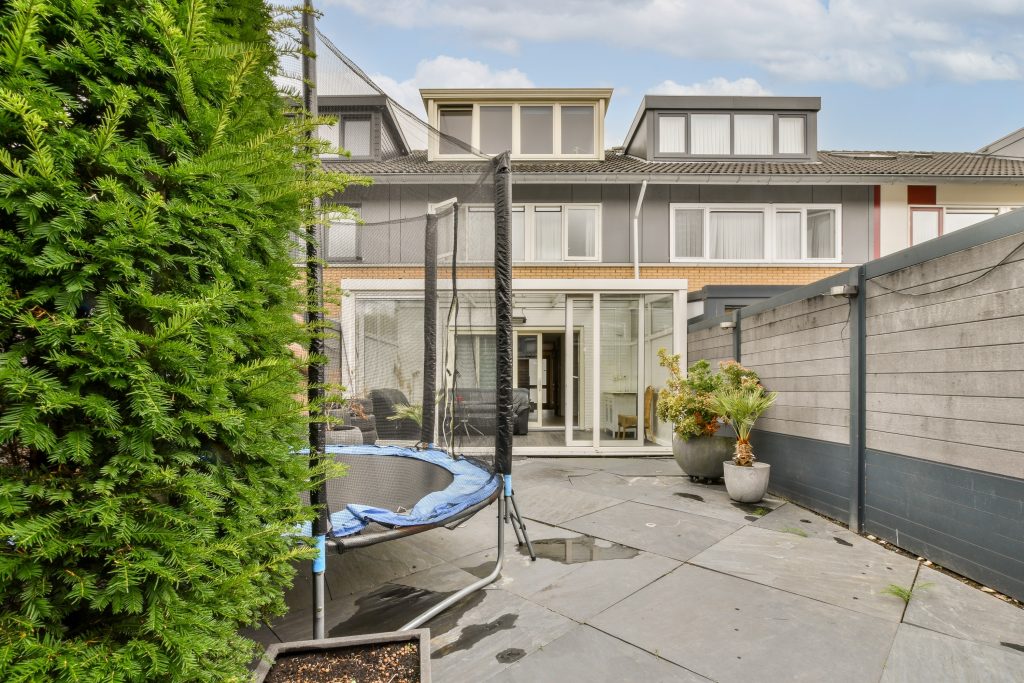
Camillus investors looking at residential rental yield have two structurally different paths. Buy a single-family home and rent it whole. Or buy an owner-occupied home, convert the basement or garage into an ADU, live in the main unit (or rent it out), and run two rental streams from one parcel. The adu vs rental cash flow numbers say different things at different deal sizes, and the right answer depends as much on the investor's operational appetite as on the headline yield.
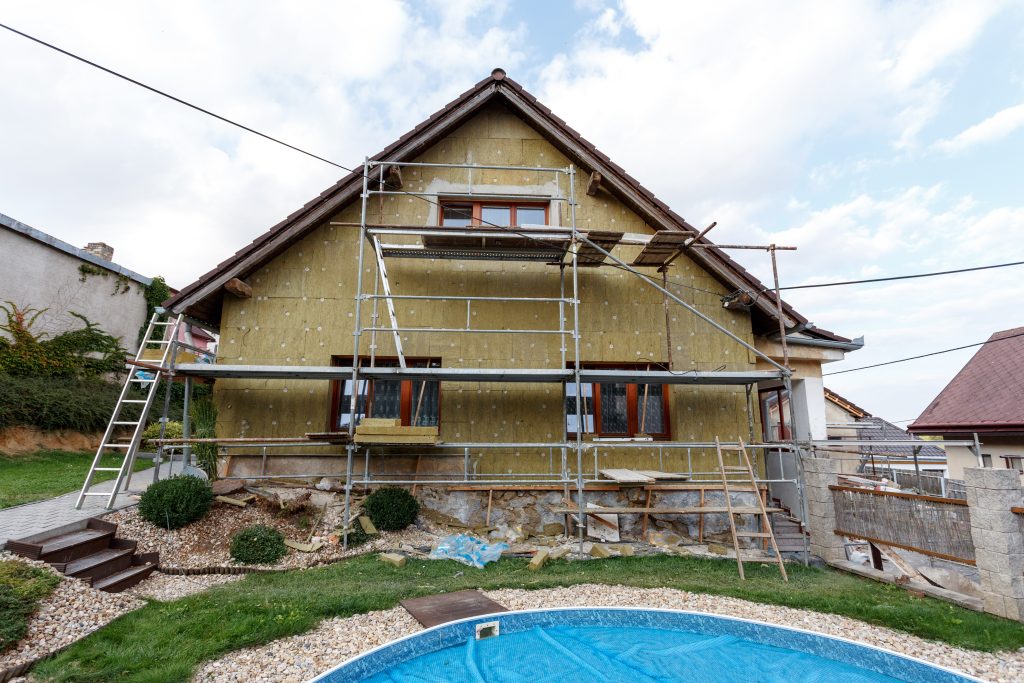
Your Westvale cape was built in 1948 with two upstairs bedrooms tucked under the roofline, and your growing family has outgrown it. You have a yard you love and neighbors you do not want to leave. The math question on the table is simple: does it make sense to add a second story instead of selling and moving up? In Central New York the answer comes down to honest numbers, not the optimistic figure you saw in a TV remodel show.
Our experts are here to help. Contact us directly for a consultation or any specific questions about your project.
Our experts are here to help. Contact us directly for a consultation or any specific questions about your project.