Your Trusted Choice for Quality Renovation & Remodeling Since 2017

- About
OUR JOBS
ROOFING
James St., Syracuse
SIDING
James St., Syracuse
KITCHEN RENOVATION
James St., Syracuse
BATHROOM RENOVATION
James St., Syracuse
Your Trusted Choice for Quality Renovation & Remodeling Since 2017
James St., Syracuse
James St., Syracuse
James St., Syracuse
James St., Syracuse

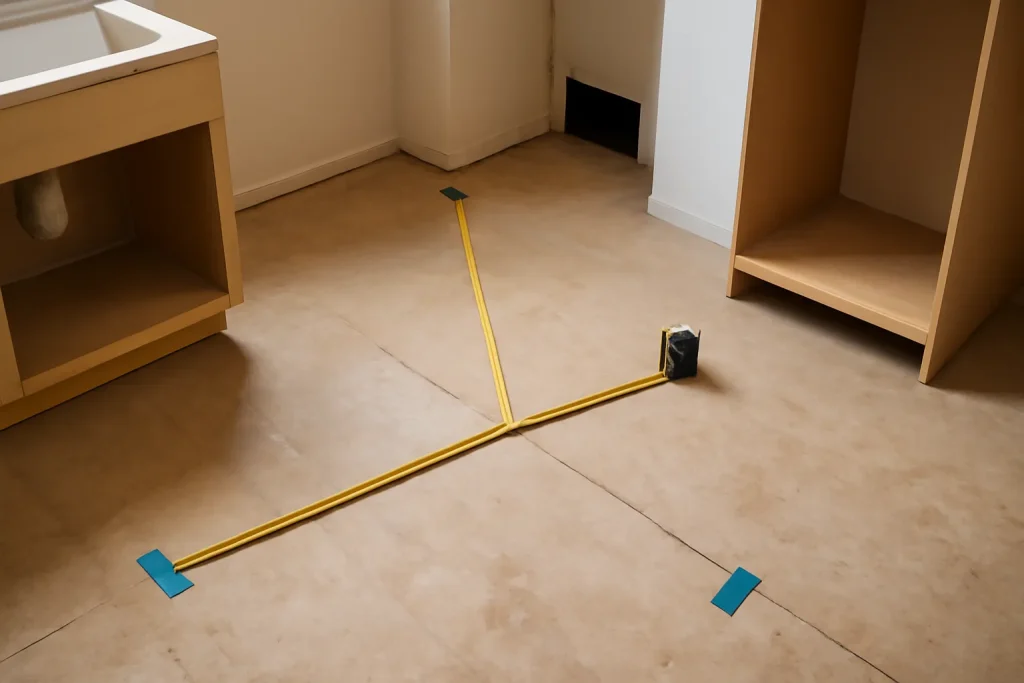
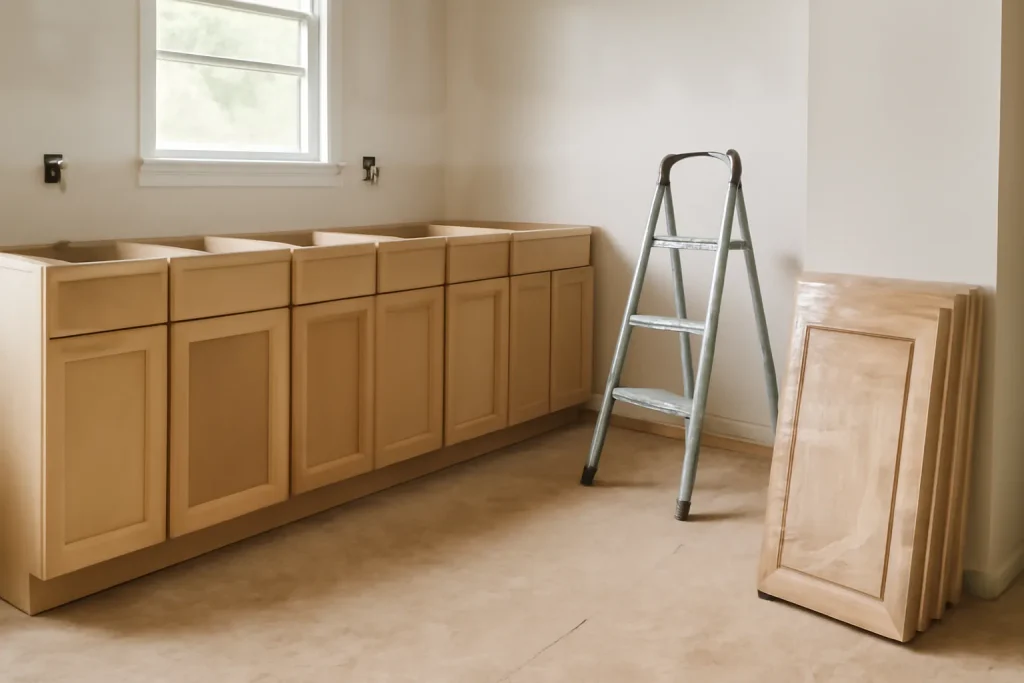
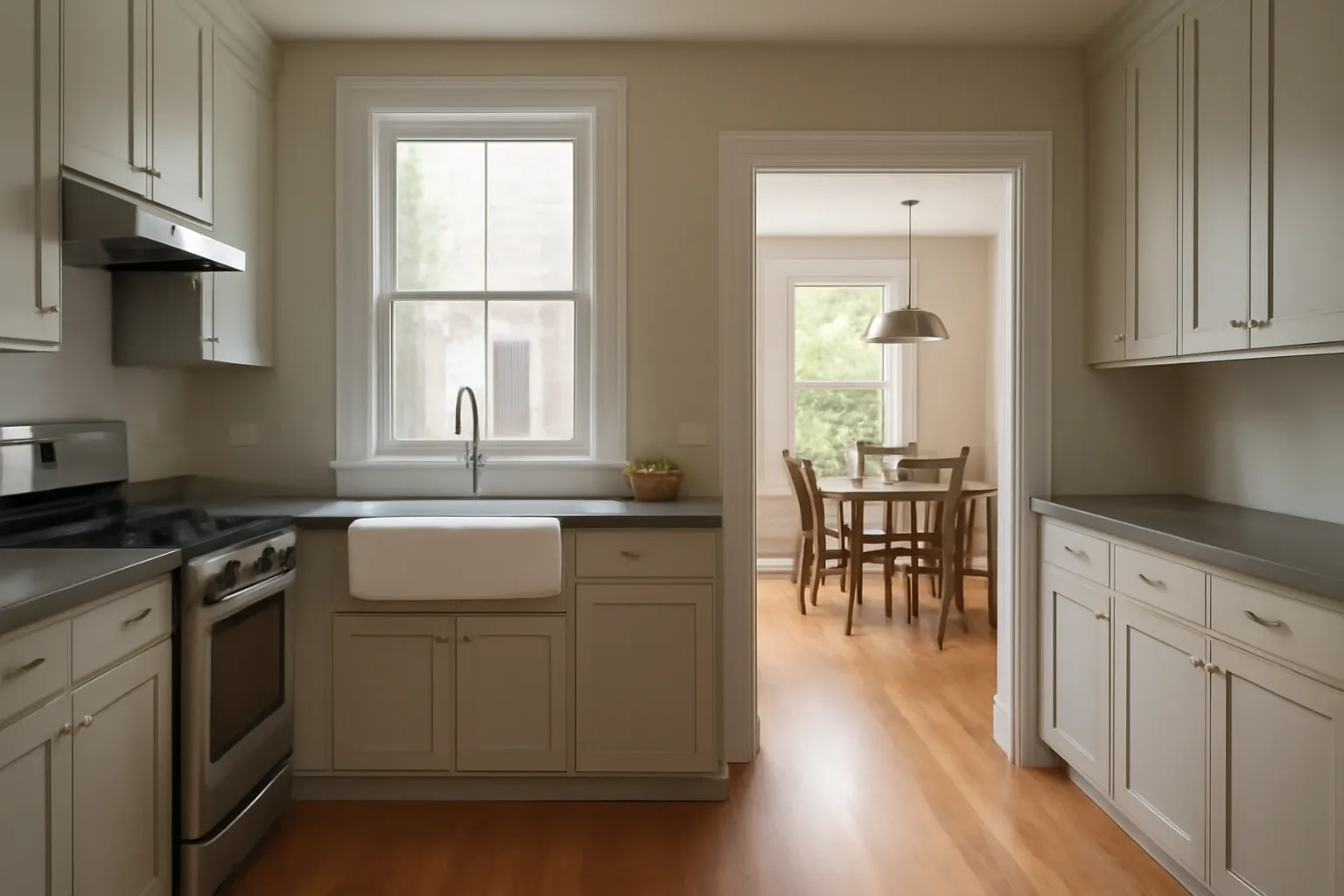
Most James Street kitchens you might want to open up share a wall with the dining room, and that wall is almost always load-bearing. A clean load-bearing wall removal opens the work triangle into the adjacent room and lets you place the refrigerator on a long uninterrupted run. This is where a full open concept kitchen conversion earns its money. We pair the structural work with custom cabinetry that respects the home’s original trim profiles, picture rail heights, and floor transitions so the renovation reads as period-appropriate rather than dropped in from a suburb.
The mistake we see most often in older Syracuse homes is owners who renovate the kitchen finishes without touching the layout. New cabinets and quartz counters on top of a broken triangle leave you with an expensive room that still does not work. We always start with the triangle, then the cabinets, then the finishes. The order matters more than the materials.
– Elijah Mercer Boone, Lead Project Manager
Custom Shaker cabinetry in painted maple, soapstone or honed quartz counters, integrated panel-front appliances, and a deep apron sink set the right tone for a James Street kitchen renovation. Hardwood underfoot continues the original flooring instead of breaking it with tile. The lighting plan layers task pendants over the island, sconces flanking the sink window, and dimmable recessed cans for evening prep.
SAP Construction has been redesigning historic Syracuse kitchens since 2017. Our project manager will measure your existing footprint, sketch two or three work triangle options, and walk you through what each one requires structurally. Schedule a consultation and the visit lands within the same week. A transparent estimate follows so you can see the cost of each path before committing to one.
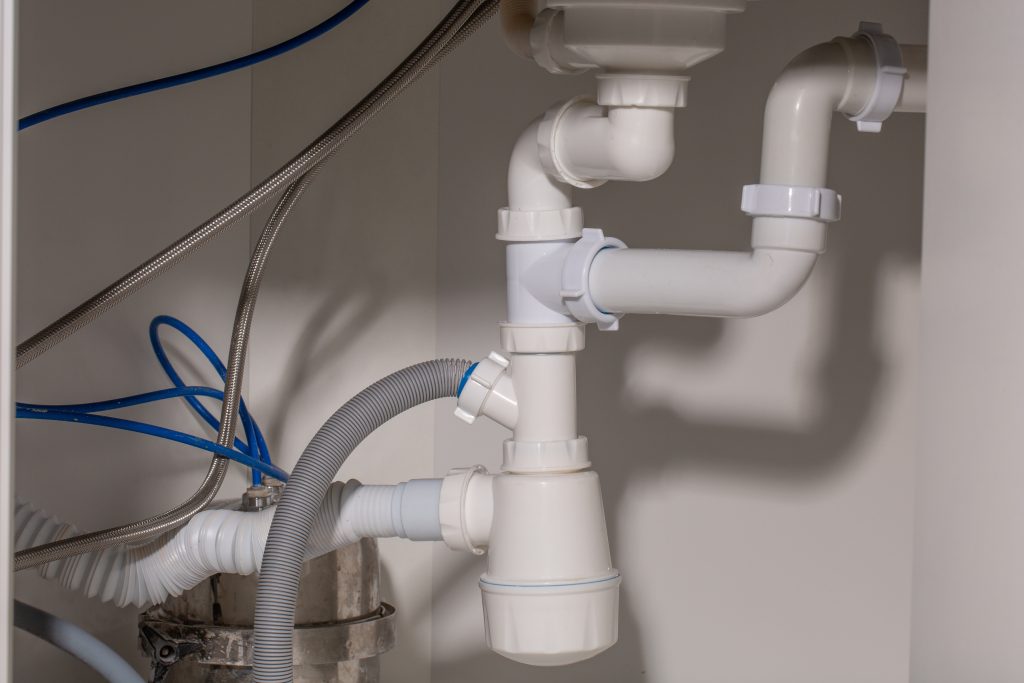
Baldwinsville's larger lot sizes and existing finished basements make the area attractive for basement ADU conversions that need a real working kitchenette. The bathroom you can plan around. The kitchenette is the part that surprises investors. The basement kitchenette adu plumbing scope determines whether the project pencils as a rental and whether the kitchen actually functions for the tenant. Get the plumbing wrong and the kitchenette is decorative; get it right and the ADU rents.
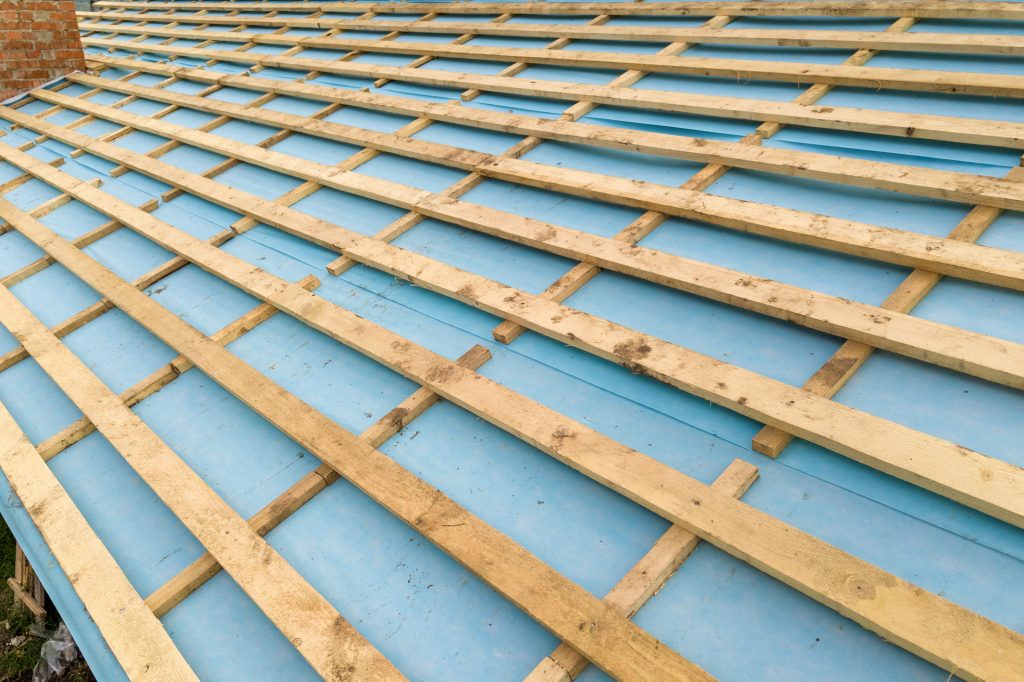
In Liverpool, the underlayment is the part of the roof that decides whether a lake-effect winter stays outside, yet it is invisible the day the job is done. Ice and water shield is a self-adhering membrane that seals around fasteners and creates a waterproof backstop where shingles alone cannot. The disaster-prevention buyer wants to know where it actually earns its cost, because covering the entire deck is rarely necessary and a bare eave is asking for a leak. Placement, not quantity, is the decision.
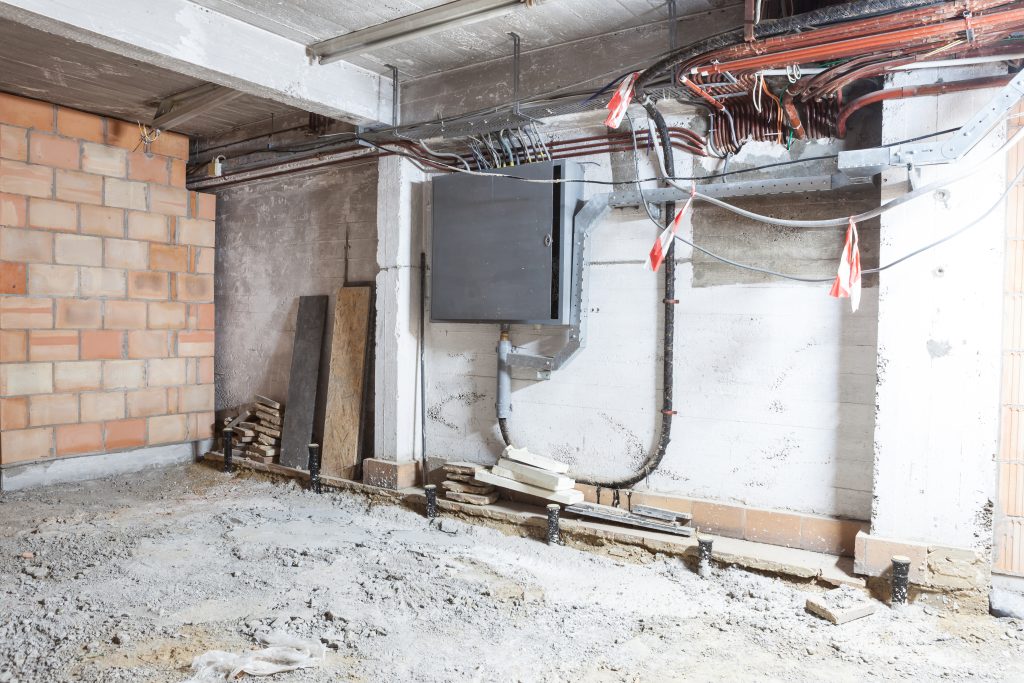
If your Cicero basement has active moisture problems and you want to finish the space, the worst possible thing you can do is start with cosmetic work. Drywall over a damp wall and the wall starts growing mold within months. The right protocol to finish basement with moisture is the opposite of intuition: stop, diagnose the source, fix it, verify it is fixed, then build. Skipping any of those steps is how Cicero basements turn from refresh projects into remediation disasters.
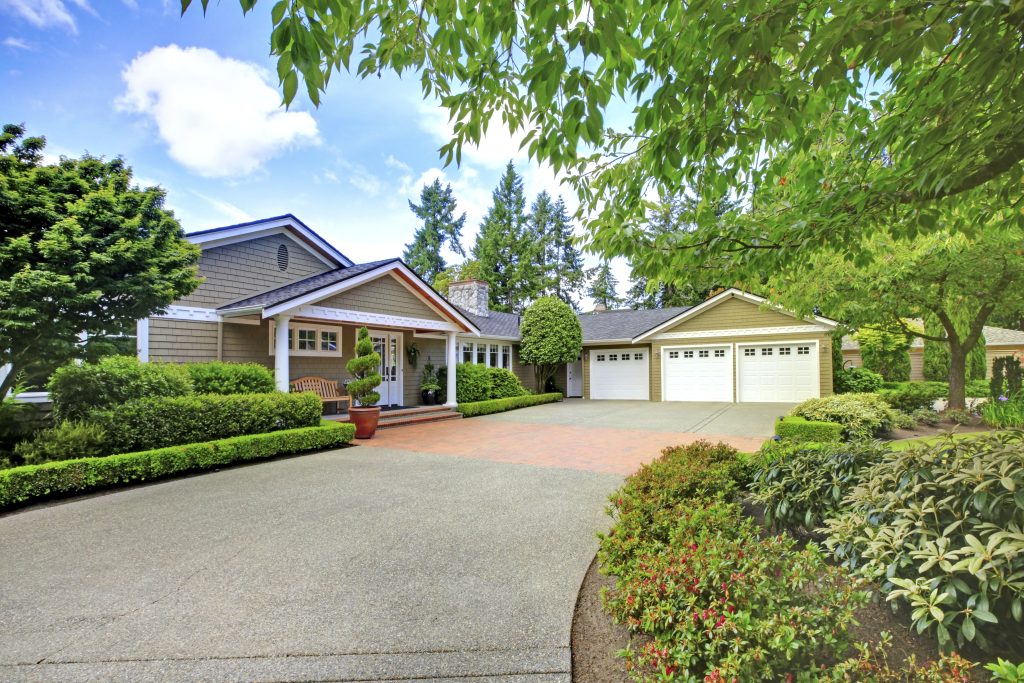
Liverpool's older lots typically include a detached garage at the rear of the property, often built to lot-line setbacks that were legal in 1955 but no longer apply for habitable construction today. Investors who buy a Liverpool property hoping to convert that detached garage into an ADU first need to understand whether the existing garage location even allows the conversion. The detached garage adu setbacks for habitable space are tighter than those for the original garage, and the math has to be done before the deal closes.
Our experts are here to help. Contact us directly for a consultation or any specific questions about your project.
Our experts are here to help. Contact us directly for a consultation or any specific questions about your project.