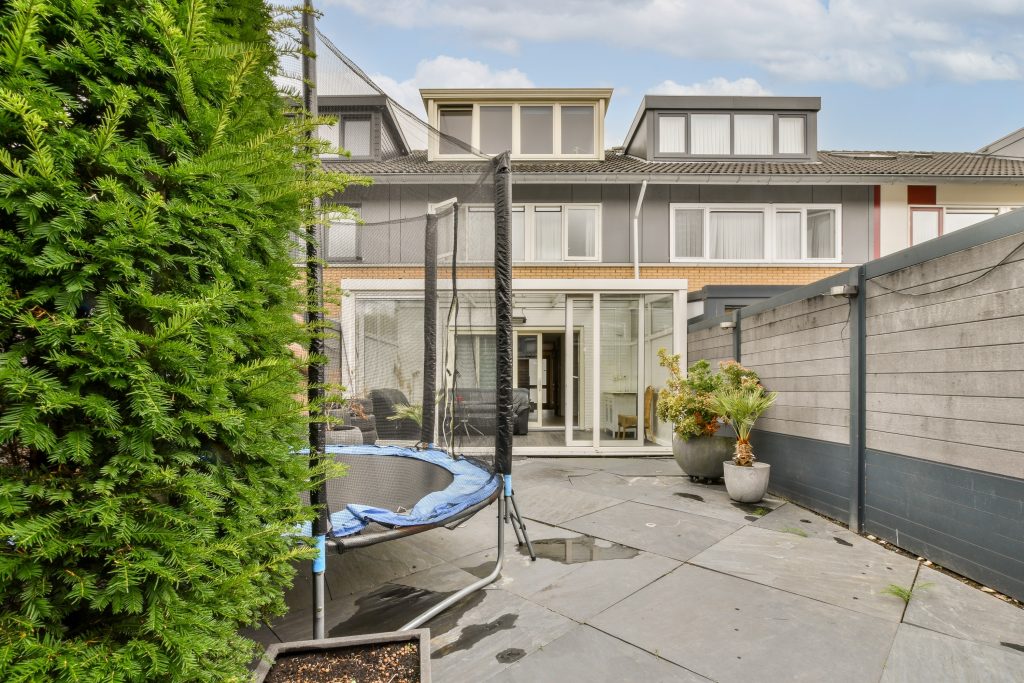
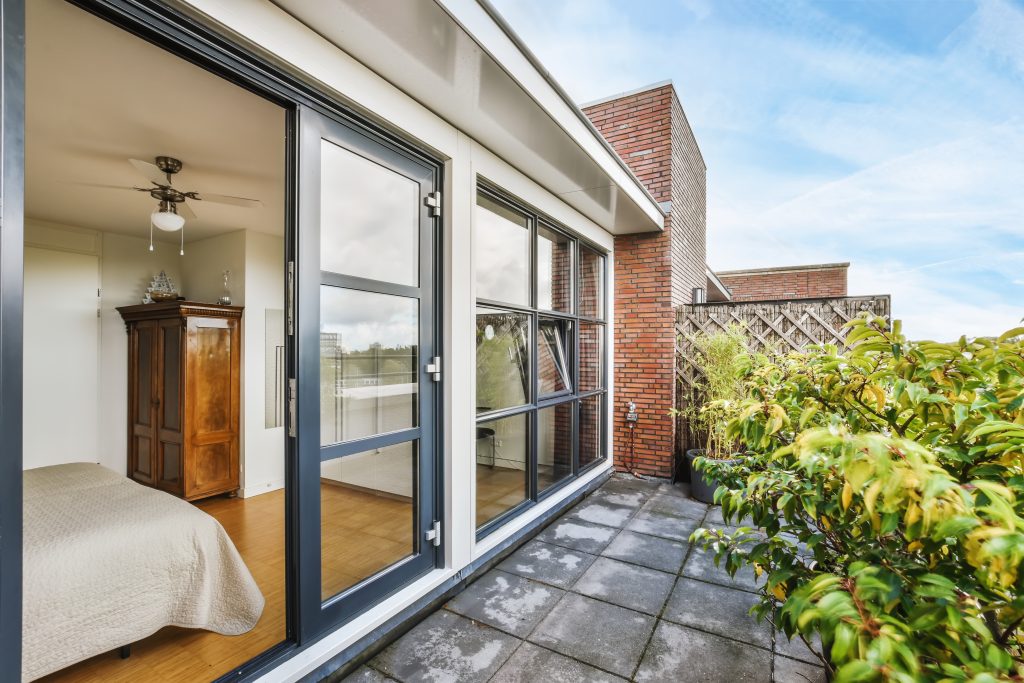
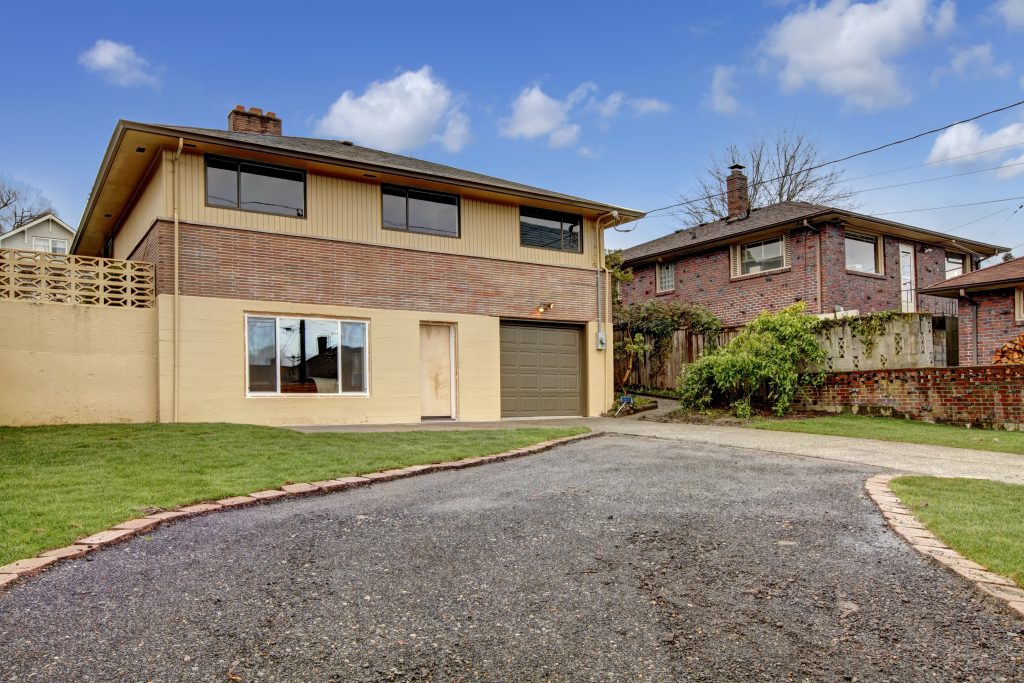
Camillus investors looking at residential rental yield have two structurally different paths. Buy a single-family home and rent it whole. Or buy an owner-occupied home, convert the basement or garage into an ADU, live in the main unit (or rent it out), and run two rental streams from one parcel. The adu vs rental cash flow numbers say different things at different deal sizes, and the right answer depends as much on the investor's operational appetite as on the headline yield.
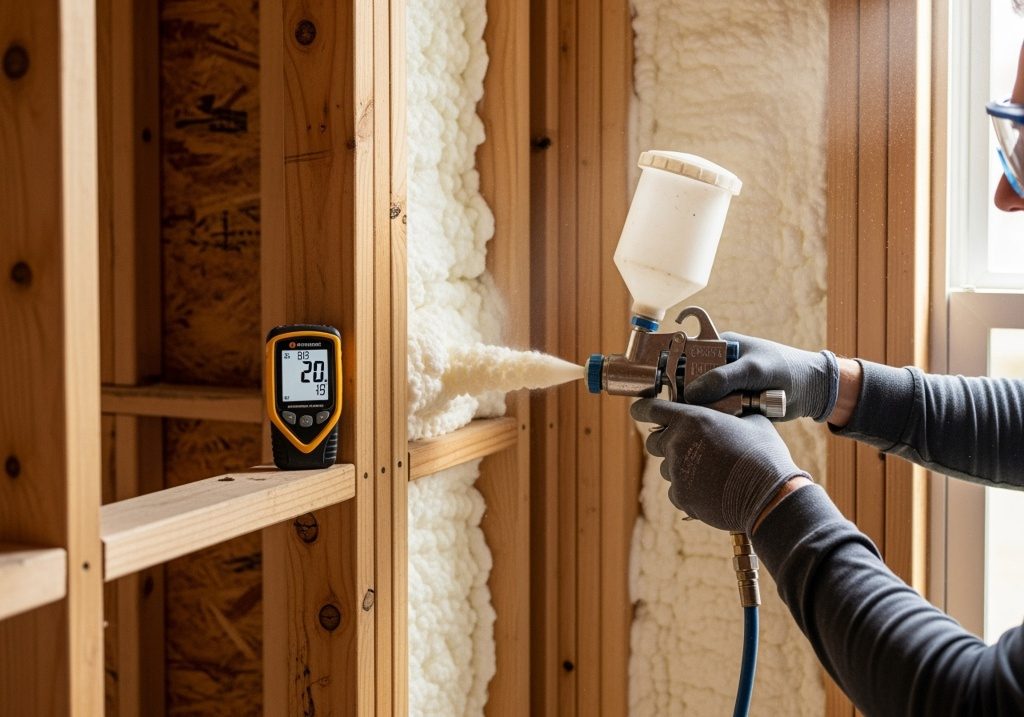
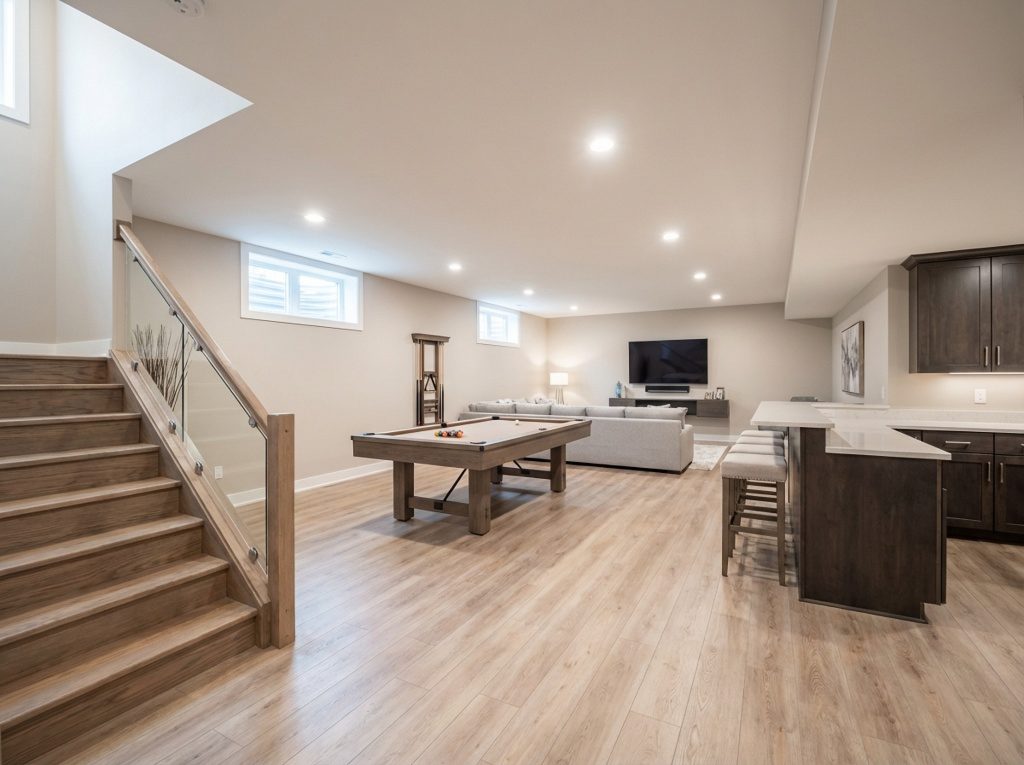
If you are finishing a Marcellus basement and the contractor wants to use fiberglass batts against the foundation wall, stop the project. Fiberglass batt insulation below grade is one of the most predictable failure modes in CNY basement construction. Within five years the foundation cools the batt, condensation forms, the batt holds the moisture, and mold and rot follow. Closed cell spray foam basement insulation is the only foundation-wall insulation strategy that survives our climate without these failures.
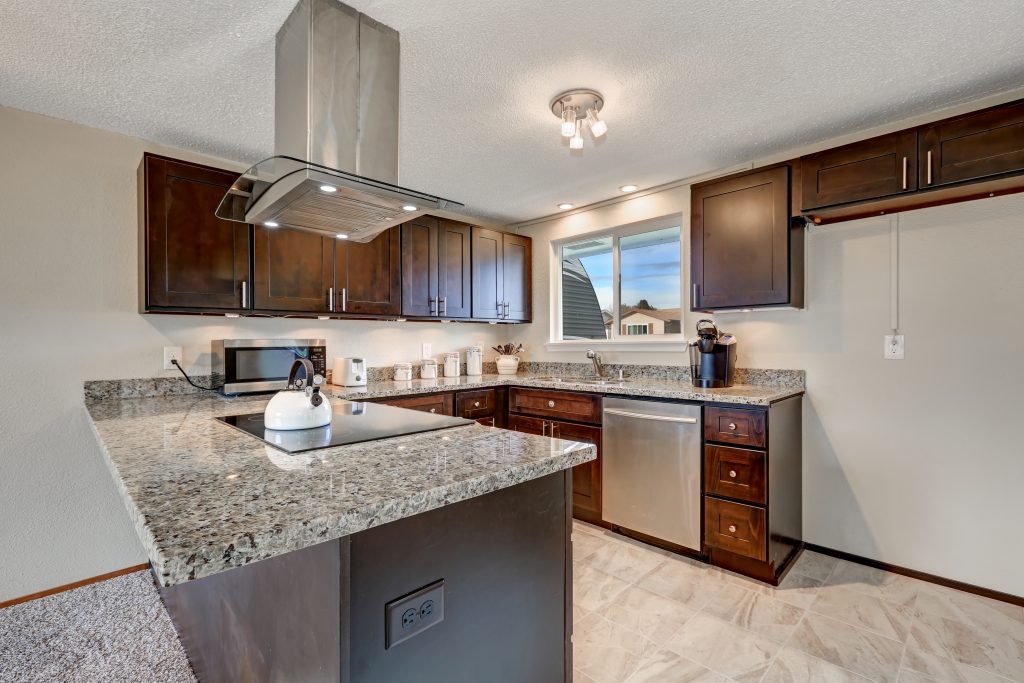
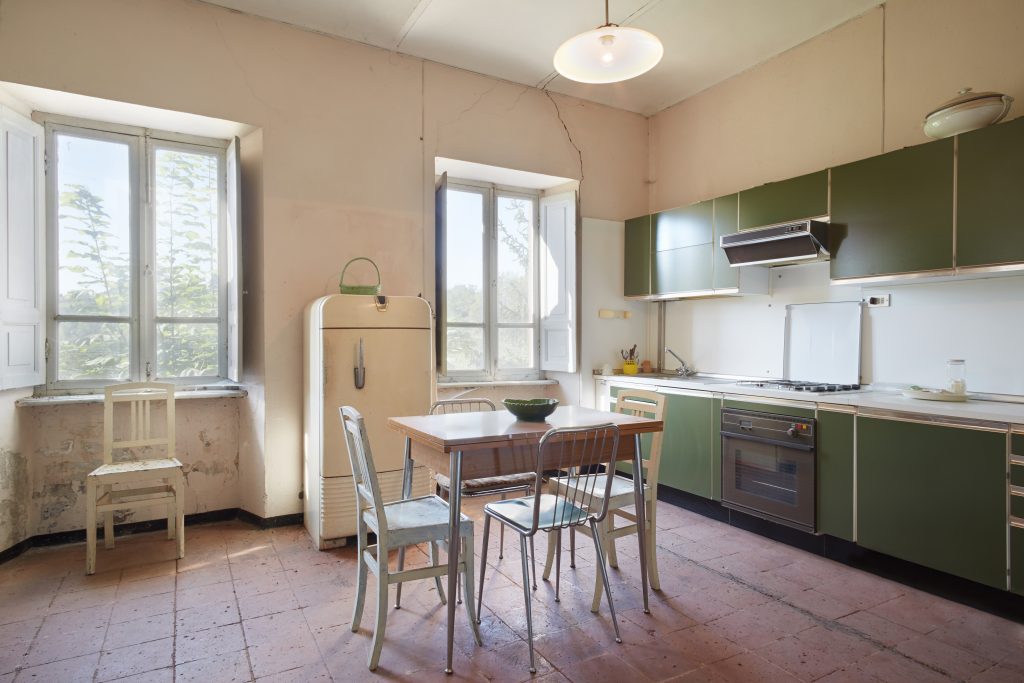
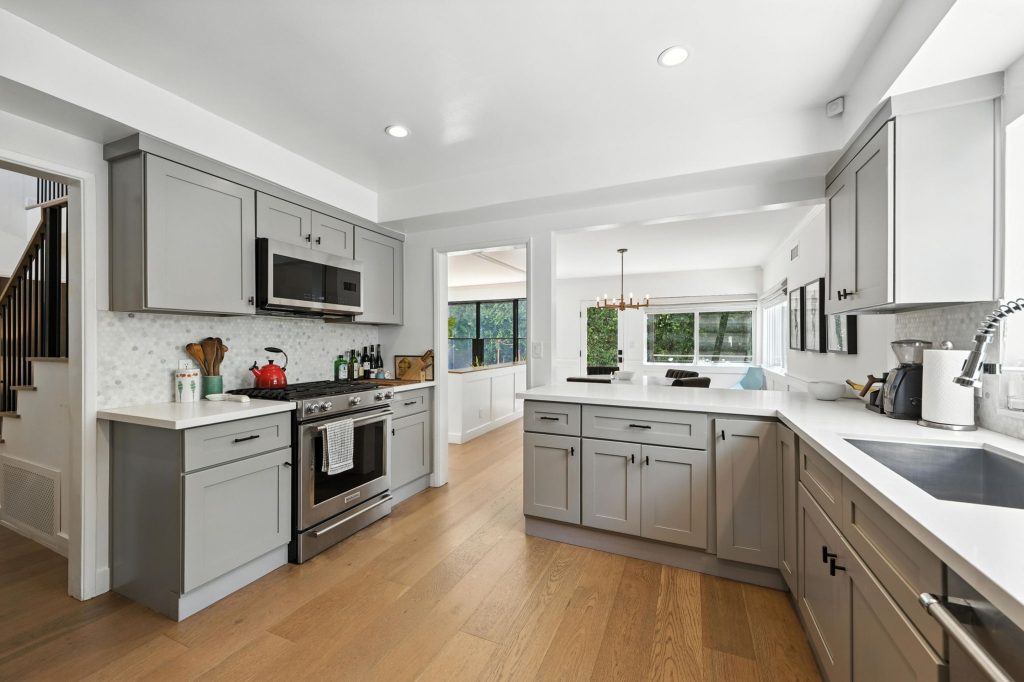
Westvale is full of solid 1950s and 1960s homes whose kitchens have great bones and terrible function. A growing family does not want to gut the character that drew them to the house, but they cannot live with a sealed-off galley and eight inches of counter. A good mid century kitchen reno threads that needle: keep the lines, the cabinetry proportions, and the warmth, while fixing the layout and the storage that the original plan never had.
An accessory dwelling unit only makes sense as an investment if the rent supports the build cost in your specific submarket, and Central New York is not one market. An ADU in Auburn's Historic District does not rent for what the same unit commands closer to the university corridor, and the build cost barely moves. Running the adu rental roi cny math by submarket, not by a statewide average, is what separates a cash-flowing unit from a vanity project.
An investor in Manlius can finish a basement conversion beautifully and still lose money at closing, because the permit was never closed and a subcontractor lien is still on the title. The build is the visible part. The lien free permit close out is the part that protects the asset, and it is the step most rushed crews skip. On Highbridge Road properties that change hands or get refinanced, an open permit or an unreleased lien stops the deal cold.
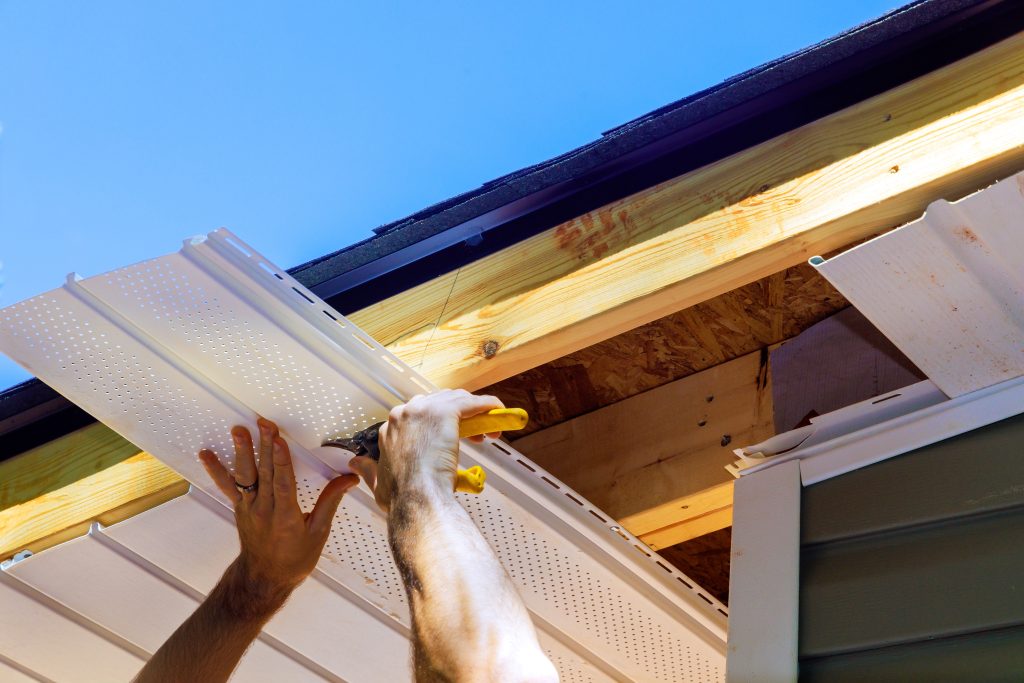
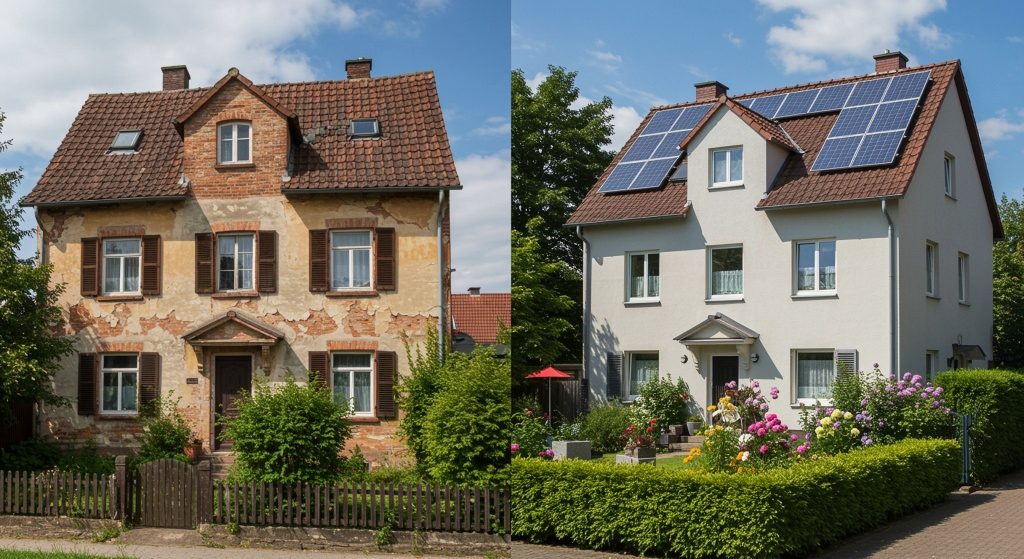
For an investor holding rentals in Mattydale, the wall studs are a hidden energy leak. Wood framing conducts heat straight through the insulated cavities, a phenomenon called thermal bridging, and it shows up as cold stripes on an infrared scan and higher heating bills every winter. Insulated vinyl siding adds a continuous layer of rigid foam laminated to the panel, breaking that bridge across the entire wall. For a rental where tenants pay the heat and complain about drafts, it is a durable, low-maintenance upgrade with a real payback.
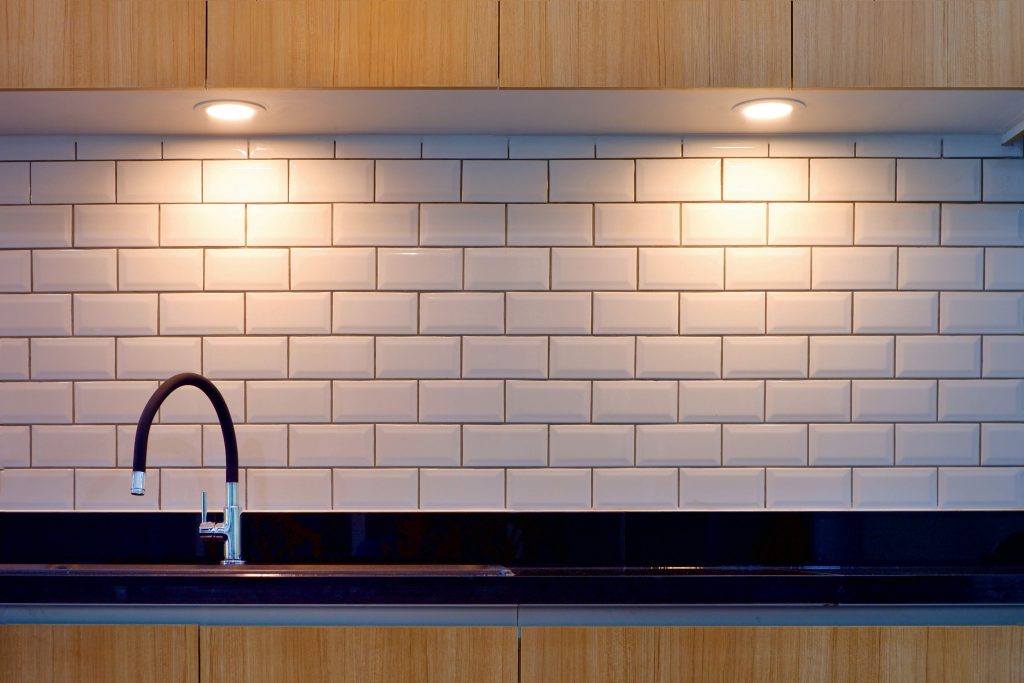
Subway tile is the safe backsplash choice in Clay kitchens, which is exactly why a lazy install looks generic and a thoughtful one looks custom. The tile is cheap; the decisions are not. Pattern, grout color, and where the runs terminate are what make a subway tile backsplash read as designed rather than defaulted. For a lifestyle upgrader watching resale, those small calls are the difference between timeless and dated.
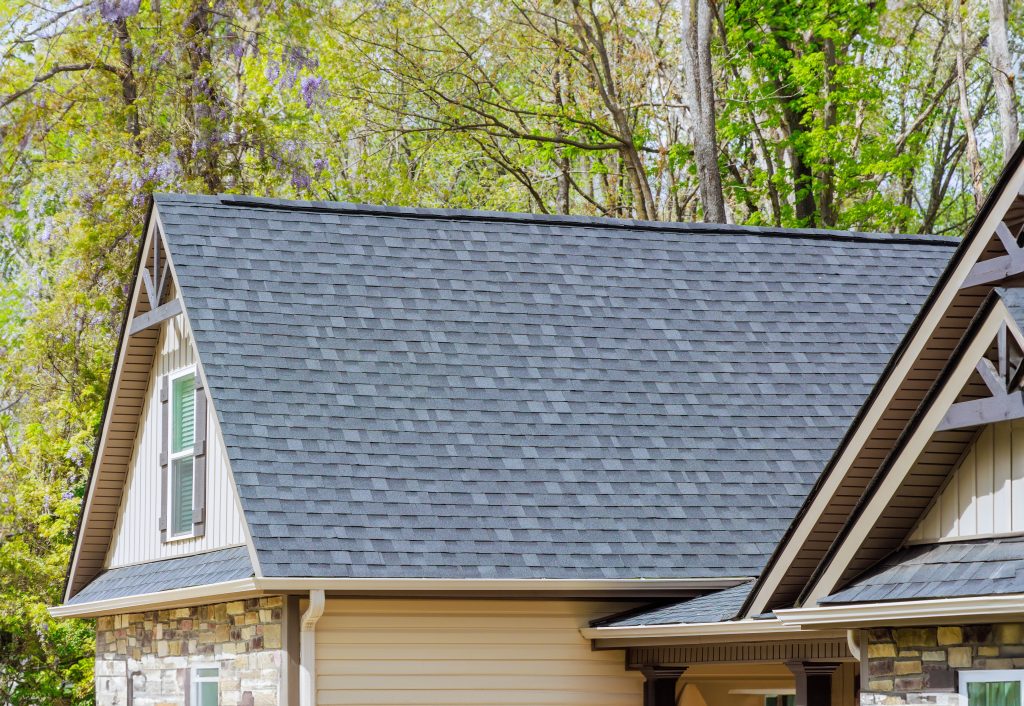
When a North Syracuse roof is due, most homeowners narrow it to the two names their neighbors used: GAF and Owens Corning. Both make excellent architectural shingles, so the GAF vs Owens Corning shingle question is rarely about which is better in the abstract. It is about wind rating, the warranty fine print, and which system the installing crew is certified to back, because in a lake-effect climate the install and the warranty matter as much as the shingle.
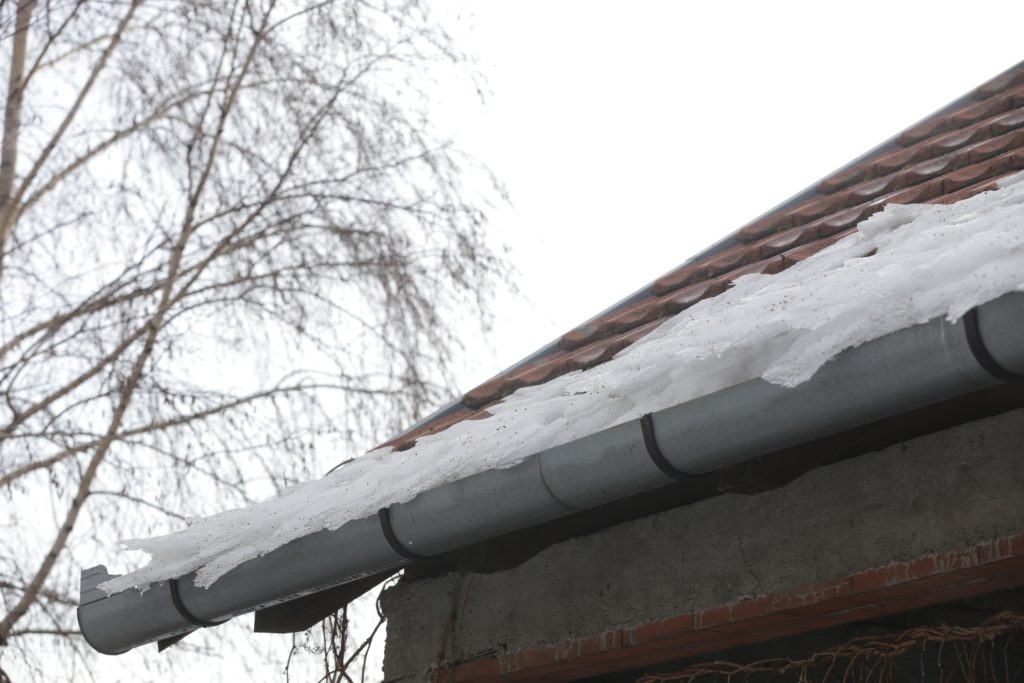
In the older James Street homes around Syracuse, the icicles hanging off the eaves every February are not charming, they are a warning. A lake effect ice dam forms when heat escaping into the attic melts the snowpack, the meltwater runs to the cold eave, and it refreezes into a ridge of ice that backs water up under the shingles and into the house. Chipping the ice off the gutters treats the symptom. Stopping the dam means fixing why the roof is warm in the first place.
Walk into any pre-1940 home in the James Street area of Syracuse and you will see the same kitchen. A galley footprint with the sink under a window, a freestanding range against one wall, and a refrigerator wedged where the original icebox used to live. It is character-rich, charming, and miserable to actually cook in. The good news is that the bones of these urban historic kitchens are forgiving once you understand the design language they were built around, and a properly executed work triangle can transform the way the room functions without losing what makes the home feel like itself.
The reason a Minoa kitchen with premium appliances can still look ordinary is that the appliances were dropped in instead of integrated. A panel-ready refrigerator, a flush column freezer, and a built-in coffee unit only deliver the seamless look if the cabinetry is modified to receive them, and that work is invisible when done right and glaring when skipped. Appliance integration cabinet modifications are the difference between a kitchen that looks built and one that looks assembled from a showroom floor.
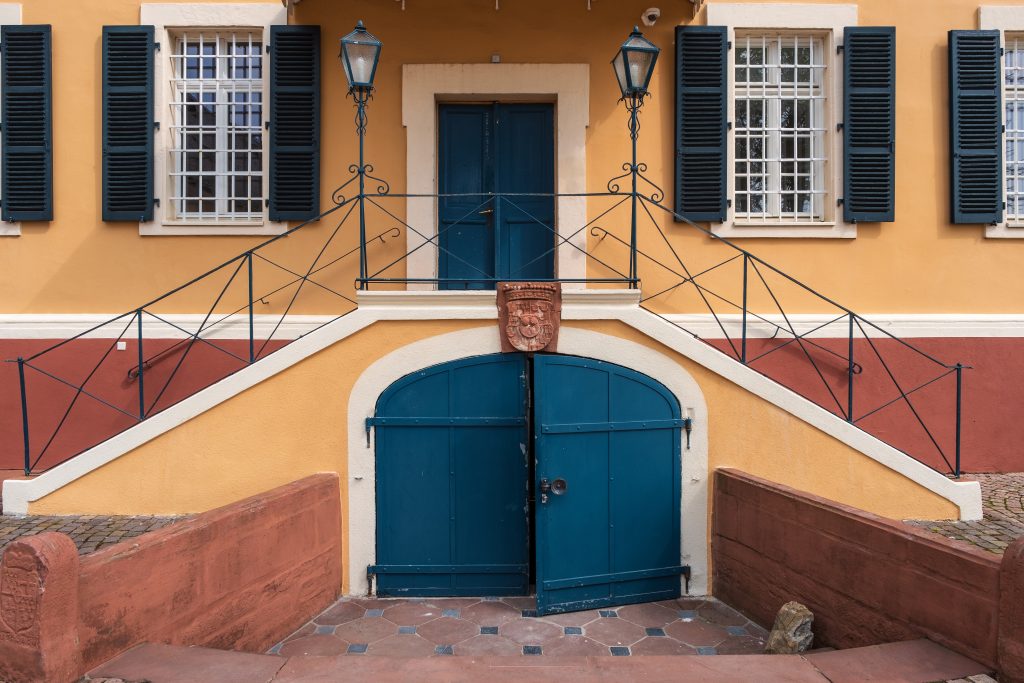
A basement or lower-level unit on a Skaneateles lakefront lot is only a legal rental if it has its own way in and out, and on these sloped lakefront parcels the entrance almost always means cutting the foundation wall. Investors treat the cut as a doorway. It is a structural event. Where you put the adu independent entrance, and how you transfer the load around the new opening, determines whether the unit passes inspection and whether the wall above it stays put for the next fifty years.
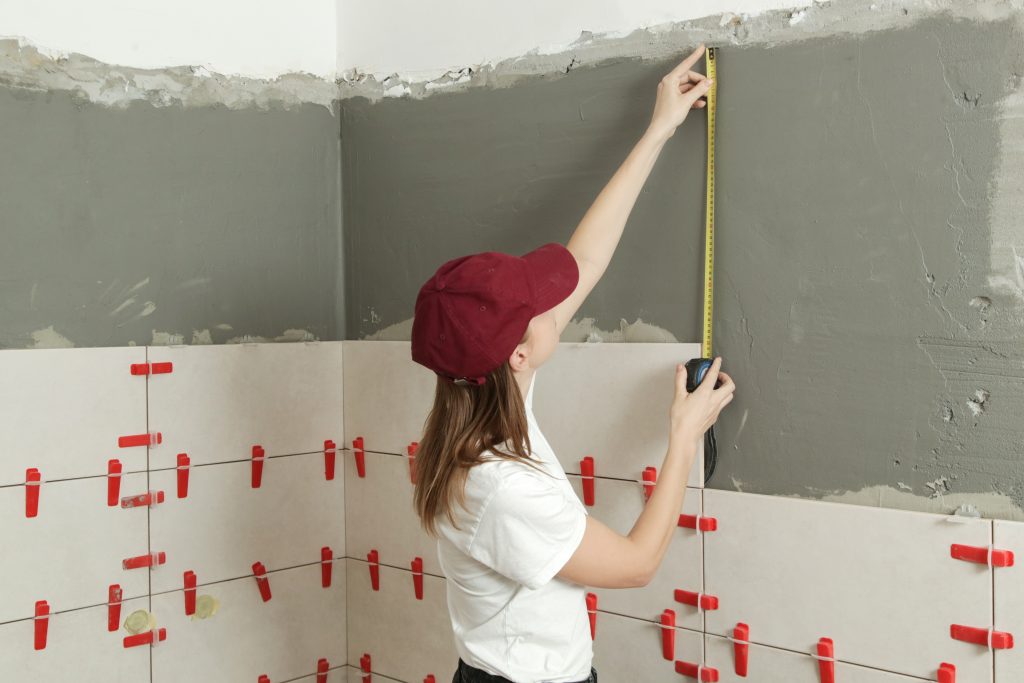
A Baldwinsville homeowner can buy the best tile made and still end up with a bathroom that looks amateur, because the difference between a great tile job and a cheap-looking one is the layout, not the tile. The tile layout math, where the field starts, how it centers, and what size cut lands in the corners, is decided before any thinset is mixed. Skip it and you get half-inch slivers at the wall and a niche framed by awkward cuts that the eye goes straight to.
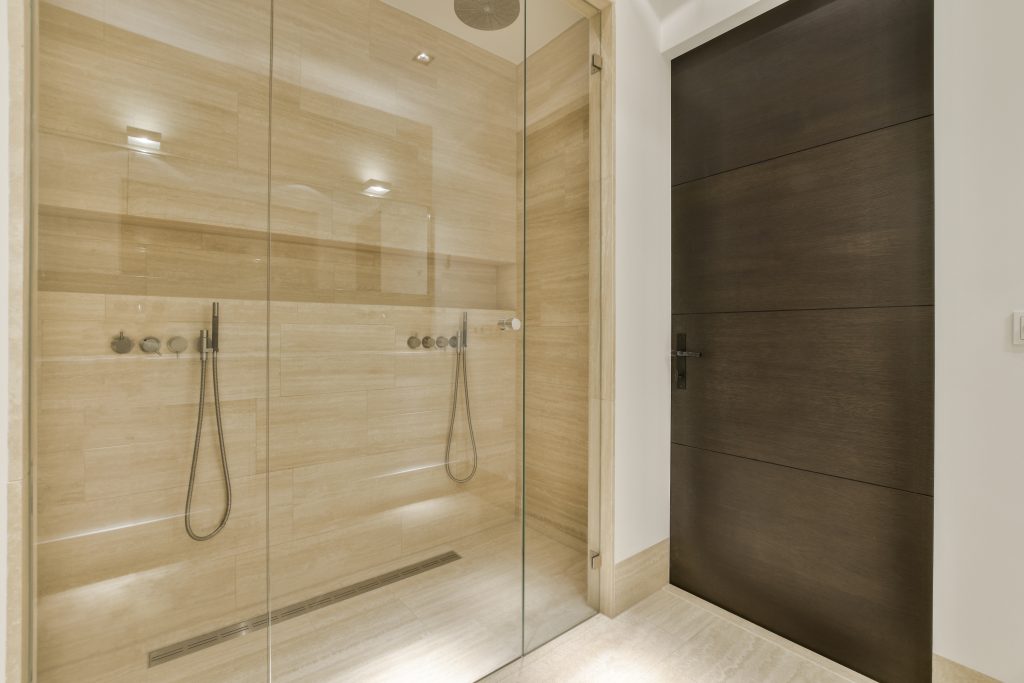
When a Lysander homeowner rebuilds an aging shower, the question under the tile is which waterproofing system to use, and the honest answer is that both work when built right and both fail when rushed. The schluter vs cement board debate is really about where the waterproofing lives: bonded to the surface, or behind the board with a separate membrane. For an aging-in-place owner who wants this to be the last shower they ever rebuild, the durability through CNY freeze-thaw is what matters most.
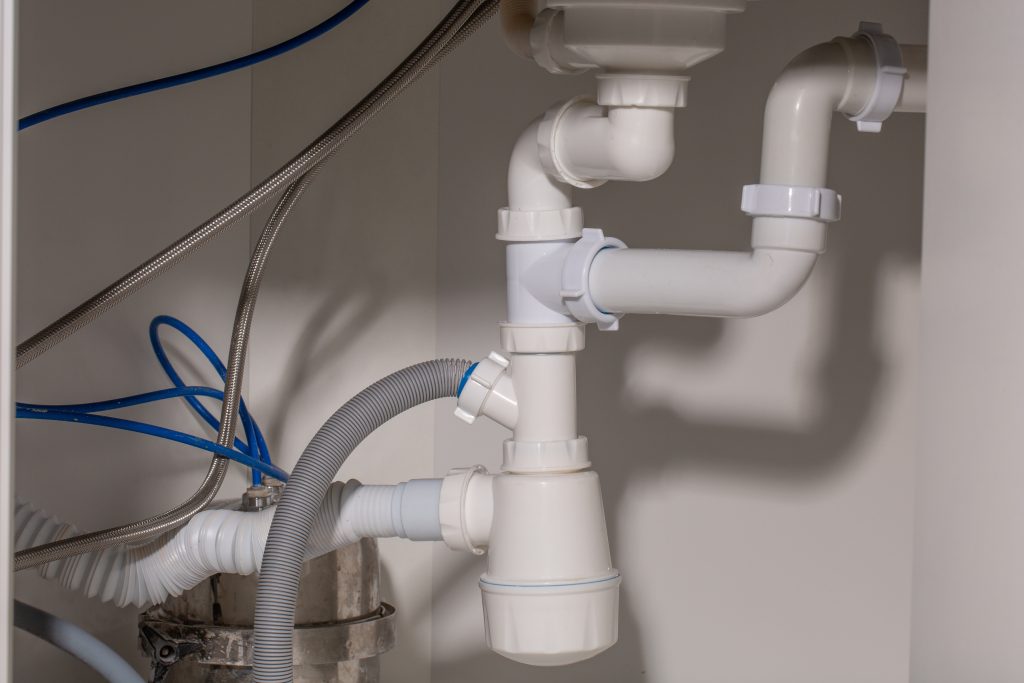
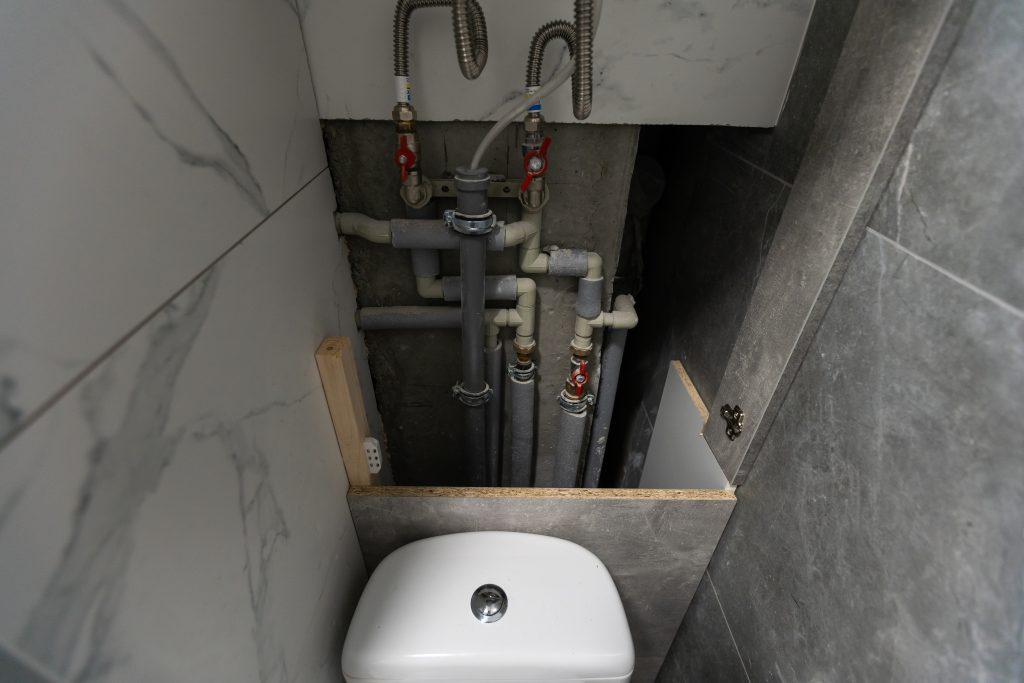
Baldwinsville's larger lot sizes and existing finished basements make the area attractive for basement ADU conversions that need a real working kitchenette. The bathroom you can plan around. The kitchenette is the part that surprises investors. The basement kitchenette adu plumbing scope determines whether the project pencils as a rental and whether the kitchen actually functions for the tenant. Get the plumbing wrong and the kitchenette is decorative; get it right and the ADU rents.
Marcellus's deeper rural lots make it one of the few CNY submarkets where the detached versus attached workshop conversation is actually open. On a tight Solvay lot the answer is forced (attached or nothing). On a Marcellus 2-acre parcel you have real options, and the workshop addition cost spread between the two paths is meaningful enough that the decision deserves a careful look.
Cabinetry is the single largest line in most Fayetteville kitchen budgets, and the choice between custom Shaker and pre-built boxes shapes the whole project. The lifestyle upgrader wants the look and the fit; the question is what each path actually costs once lead time, fit, and longevity are in the math. An honest shaker cabinetry cost comparison is not custom-versus-cheap. It is two different trade-offs in money and time, and the right call depends on your layout and your timeline.
Phoenix's older Oswego County homes share a layout pattern: one upstairs bath serving three or four bedrooms, with a morning queue that turns weekdays into a logistics problem. Families look at the upstairs hallway and ask whether a second bath could go in. The answer is almost always yes, but the question that decides feasibility is plumbing. A second floor bath plumbing route either threads cleanly into the existing stack or it requires a new wet wall that reshapes the whole floor.
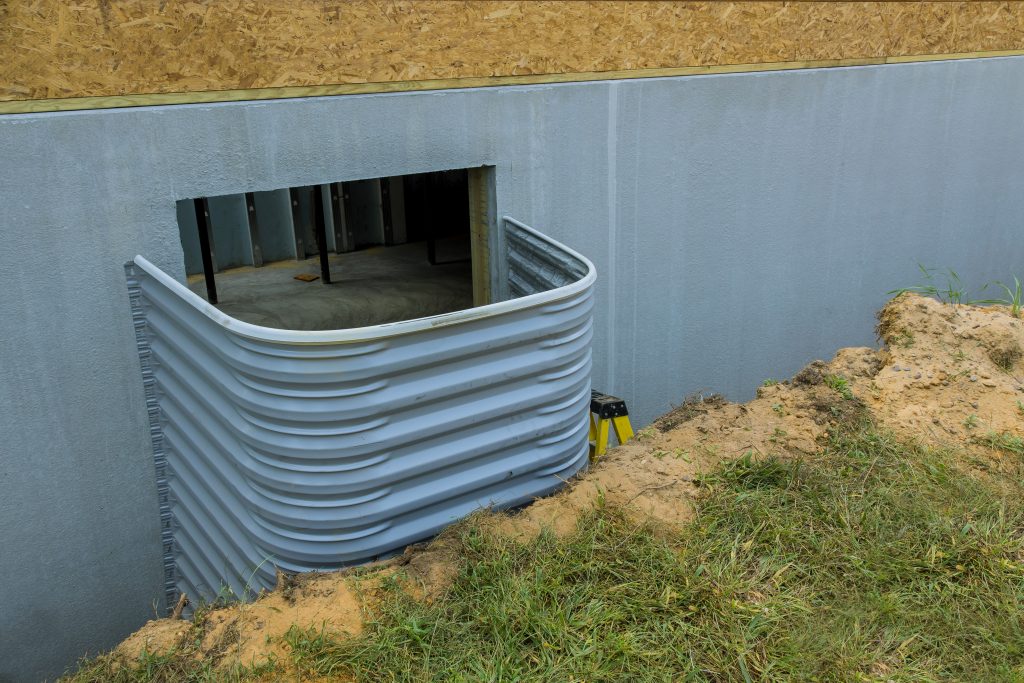
Westvale's solid postwar foundations are exactly what makes egress window cuts both feasible and meaningful work. For aging-in-place homeowners thinking about adding a legal basement bedroom (for a visiting adult child, an in-home caregiver, or a multi-generational living arrangement), the egress window cut is the single most important structural decision. Done right, it gives you a code-compliant bedroom that holds appraised value. Done wrong, it weakens the foundation.
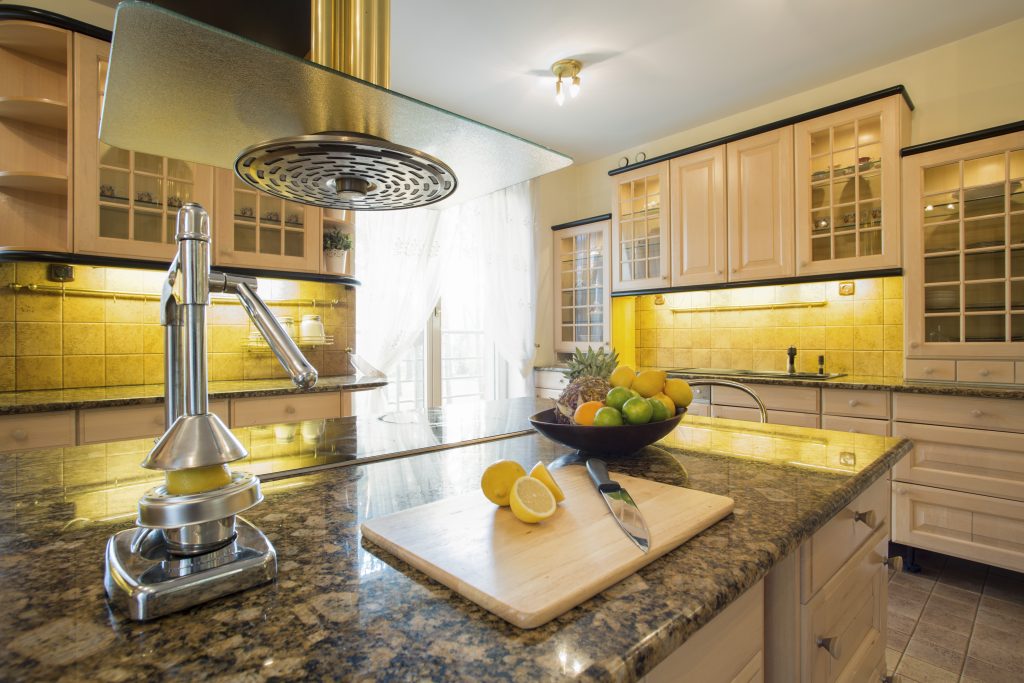
Countertops are where a Manlius kitchen budget meets daily reality, and the three surfaces homeowners actually choose between behave very differently in a working kitchen. The quartz vs granite countertop debate gets most of the attention, but butcher block is back in real kitchens too. For a lifestyle upgrader thinking about both enjoyment and resale on Highbridge Road, the right answer depends on how you cook, what you are willing to maintain, and what the next buyer expects.
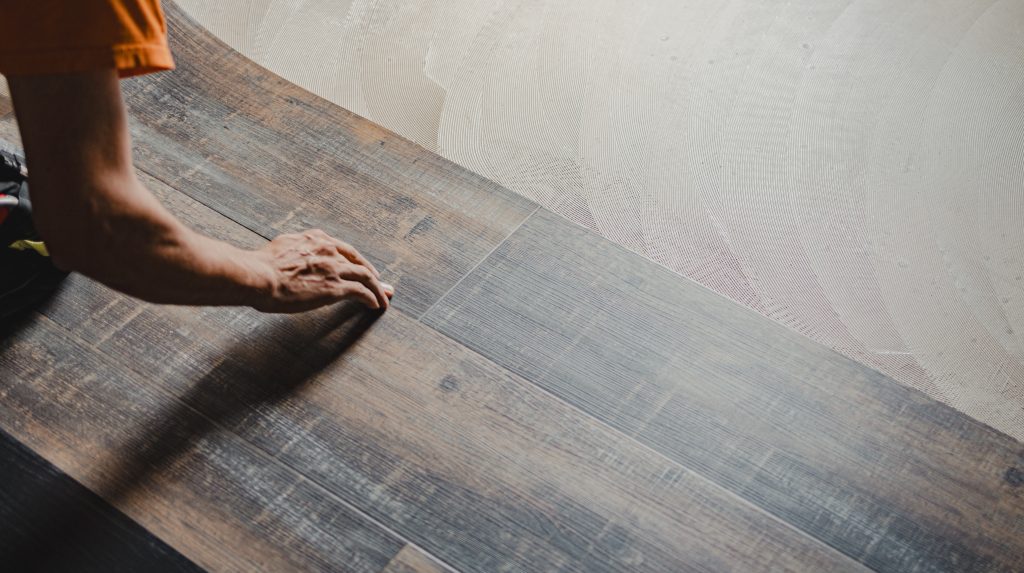
A Pompey family with kids, a dog, and a mudroom that sees real Central New York winters needs a floor that takes a beating and still looks good, and running one material through the whole house is what makes a home feel larger and calmer. Luxury vinyl plank has become the default for exactly this, because lvp whole home flooring is waterproof, warm underfoot, and tough enough for the traffic a growing family generates. The value is real, but only if the prep and the transitions are done right.
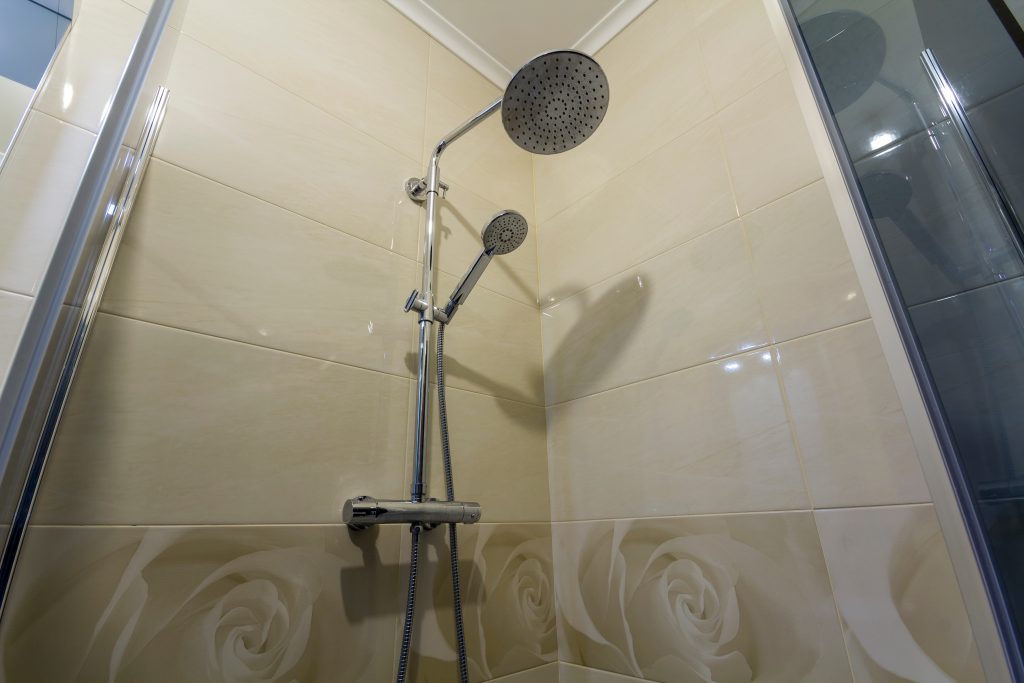
Most tile showers that fail in DeWitt did not fail at the tile. They failed behind it, where water that got through the grout had nowhere safe to go. The schluter kerdi waterproof system fixes that by putting a continuous bonded membrane on the warm side of the assembly, so the tile is the wear surface and the membrane is the waterproofing. For a lifestyle upgrader who wants a shower that looks high-end and stays dry through CNY winters, this is the system we specify.
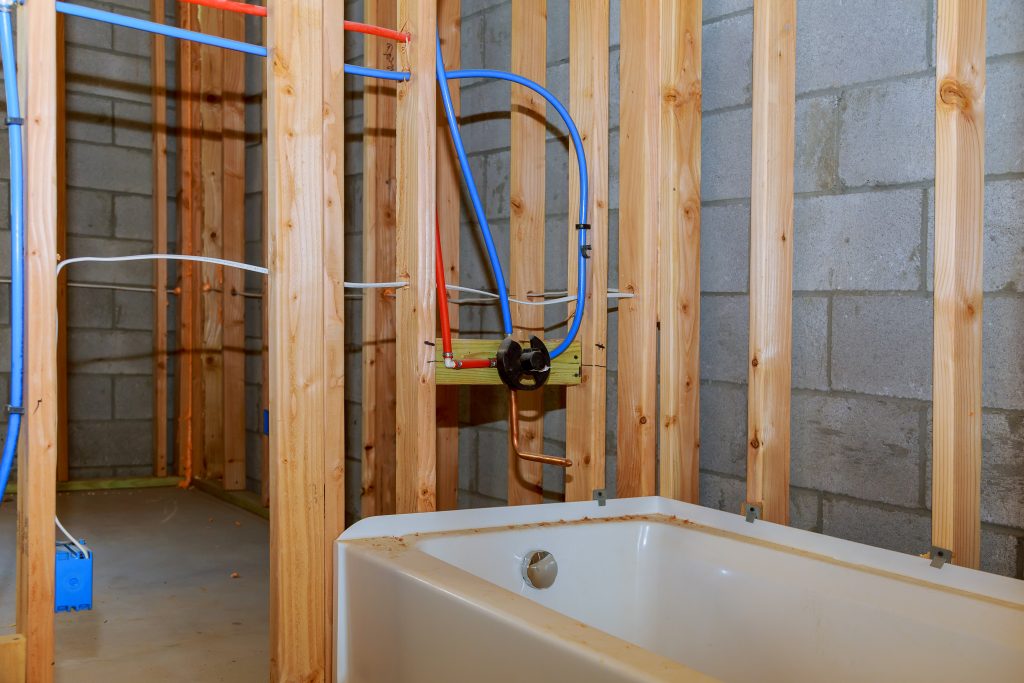
On the Skaneateles lakefront, an aging-in-place homeowner reworking the primary suite often wants fixtures moved to a layout that will serve them for decades, and that is where the budget meets the pipes. The master bath plumbing rough in is the hidden half of the project that decides what the finished room costs. Move a toilet six feet and you may be opening a ceiling below; keep it stacked over existing lines and you save thousands. The layout and the plumbing are one conversation, not two.
Fayetteville's older estate-grade homes sit at a price point where the gut-renovation math is fundamentally different from what you see in a 1500 square foot suburb ranch. We are talking about 3500 to 5500 square foot homes built between 1925 and 1968, with high-end finish potential, structural quirks, and the kind of mechanical systems that require coordination instead of replacement. A whole house renovation cost in Fayetteville is not a number you copy from an online calculator. It is a project-shaped answer.